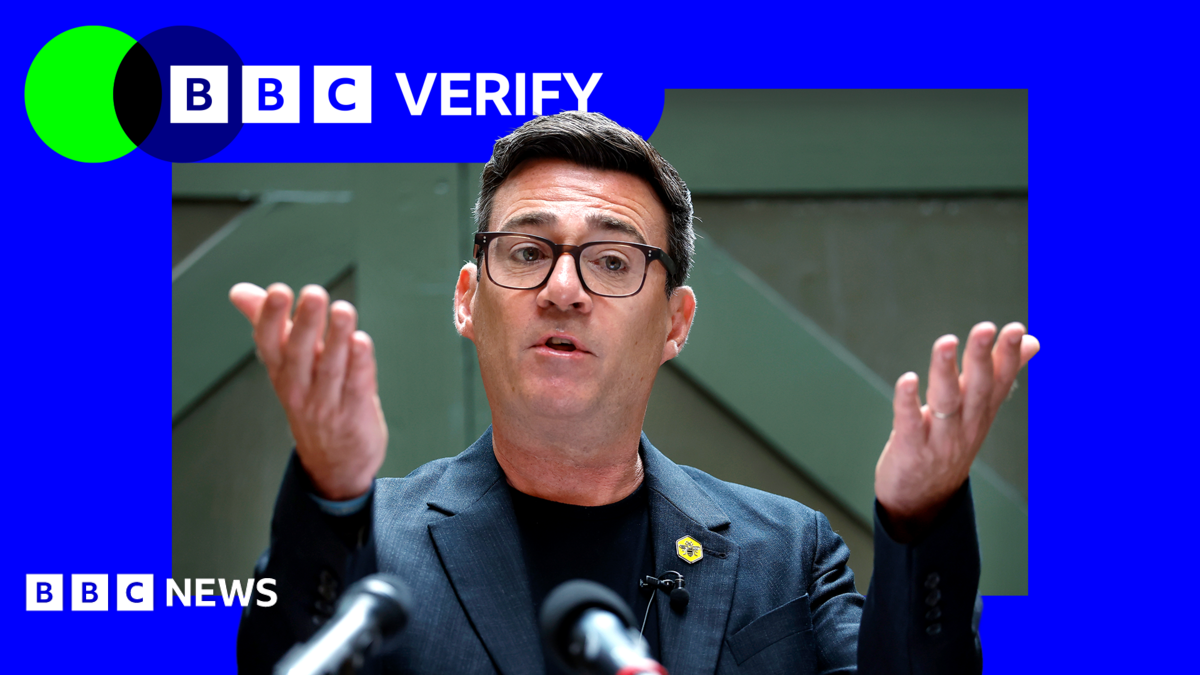
In his first major policy speech since being sworn in as MP for Makerfield, Andy Burnham promised the "biggest rebalancing of power our country has seen" as part of his plans for the UK if he becomes prime minister, according to the BBC. Speaking on Monday, Burnham said he would seek to take power away from Whitehall and devolve it to all parts of the UK, including Greater Manchester and other English city regions, while also extending devolution in Scotland, Wales and Northern Ireland (though without providing details) and granting Greater London more devolved powers.
Burnham argued that this radical devolution is essential for delivering higher economic growth across the UK. "We will never get growth up to the level Britain needs unless every single postcode in the land is set up to contribute to it," he said, as quoted by the BBC.
Current Devolution Landscape
According to the BBC, Scotland has extensive devolved powers, with the Scottish parliament controlling health, education, local government, environment, justice and policing, as well as most income tax rates (excluding the personal allowance) and some welfare. Wales has more limited powers via the Senedd, including running the NHS, education, local government and housing, and the ability to vary income tax rates, but no justice or policing powers. Under the 1998 Good Friday Agreement, the Northern Ireland Assembly holds significant powers over health, education and housing.
For English city regions, devolution has been less extensive. Manchester has some of the most extensive powers, with authority over transport, housing, skills and health spending, built through successive deals since 2009.
Has Devolution Boosted Growth?
BBC Verify examined the economic evidence. Most economists who have studied the impact of devolution have not identified any significant increase in overall economic growth rates in Scotland, Wales and Northern Ireland over the past quarter-century. Official statistics show that GDP per capita in 2023 relative to the UK average was broadly similar to 1998 levels:
| Region | GDP per capita relative to UK average (2023) |
|---|---|
| Scotland | 93% |
| Northern Ireland | 83% |
| Wales | 74% |
However, analysts caution that this does not mean devolution was an economic failure, as these nations might have experienced relative decline if still centrally governed. Events like Brexit may also have had a disproportionate effect, making it harder to isolate the impact of devolution.
Manchester as a Case Study
Burnham has argued that Greater Manchester is a case study in how devolution can lift economic growth. The city region has been progressively granted more powers since 2009, including a landmark deal with then-Chancellor George Osborne in 2014. The BBC did not provide specific growth figures for Manchester in the available text, but Burnham’s argument hinges on the city region’s performance.
Implications for Business and Investors
For executives and investors, the policy direction signals a potential shift in UK economic governance. If implemented, devolution could mean more localised decision-making on transport, skills, and infrastructure spending — areas that directly affect business operations and investment returns. Companies looking to locate or expand in UK regions may face different regulatory and fiscal environments, particularly if devolved tax-setting powers expand. However, the historical evidence cautions that devolution alone has not demonstrably lifted regional GDP per capita relative to the UK average over the long term, according to the BBC's analysis.
Next milestone: Burnham's policy platform will likely face scrutiny in parliament and from business groups, with further details expected as his leadership campaign progresses.
Sources: