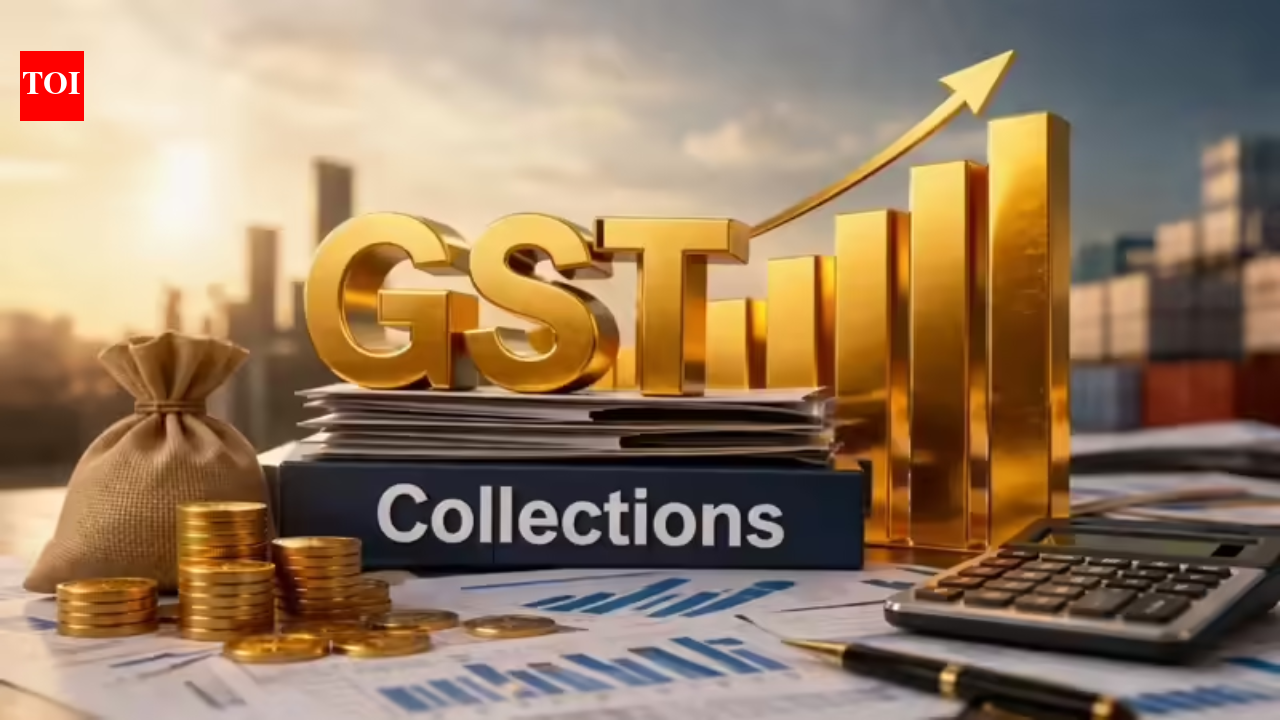
The biggest rate reset since the Goods and Services Tax (GST) was launched nine years ago has led to a significant consumption boost in India, with average monthly tax collections rising to Rs 1.1 lakh crore from Rs 1.01 lakh crore earlier, despite a drop in the average tax rate from 14.4% to 12.8%, according to data from the finance ministry.
Rate Rationalisation and Consumption Surge
The overhaul of rates on nearly 400 items, implemented six months ago, marks a shift in policy thinking from focusing on revenue neutral rates to lowering the burden for consumers. The result has been a consumption-driven increase in tax collection, with average monthly taxable supply seen to be over 22% higher in the post-rate rationalisation period.
“Consumption has truly shot up. Take household goods, vehicles or cement, everywhere, consumption is higher. It is also reflected in the GDP data. Spending is increasing across sectors that is why the base has gone up, compensating for rate rationalisation. That was a bet that the finance minister took and it is showing. It has acted as buffer during a period of uncertainty,” said MS Mani, partner at consulting firm Deloitte India.
Key Metrics: Before and After Rate Reset
| Metric | Pre-Rationalisation | Post-Rationalisation | Change |
|---|---|---|---|
| Average monthly GST collection | Rs 1.01 lakh crore | Rs 1.1 lakh crore | +8.9% |
| Average tax rate | 14.4% | 12.8% | -1.6 ppt |
| Average monthly taxable supply | Baseline | +22% | +22% |
| B2C revenue growth | – | +21.6% | +21.6% |
Sectoral Impact: Winners and Losers
Volume growth varied across sectors, with the largest gains in:
- Precious metals: up to 60%
- Vehicles: 21%
- Other sectors: 16%
The only sector where taxable supply shrank was financial services, driven by life and health insurance moving to 0% GST from 18% earlier.
Expert Perspectives
The rate rationalisation exercise moved from merely protecting revenue to lowering the burden for consumers, transitioning to two slabs of 5% and 18%, removing classification issues and disputes, and boosting demand. The move also silenced critics of the tax reform, one of the biggest initiatives of the Modi government.
“GST 2.0 and its rate rationalisation were a thoughtfully planned reform, designed to alleviate the tax burden, eliminate distortions, boost competitiveness and increase disposable income for consumers. Despite external pressures — like tensions in West Asia, rising oil prices, and currency volatility — India’s resilience was reinforced by GST 2.0, which played a pivotal role in supporting domestic consumption and stabilising the economy,” said Devesh Uniyal, partner and tax & finance consulting leader at Grant Thornton Bharat.
Broader Tax Base Growth
The lower tax regime has also helped check leakages as the incentive for cash payments has come down. Over nine years, GST has grown in size and scale. Registered taxpayers increased from 66.5 lakh in 2017 to 1.65 crore at the end of May. Collections soared from Rs 7.4 lakh crore (July-March 2017-18) to Rs 22.3 lakh crore last year.
The rate reset demonstrates that a consumption-led growth strategy can sustain tax revenues even with lower rates, providing a buffer during global uncertainties.
Sources: