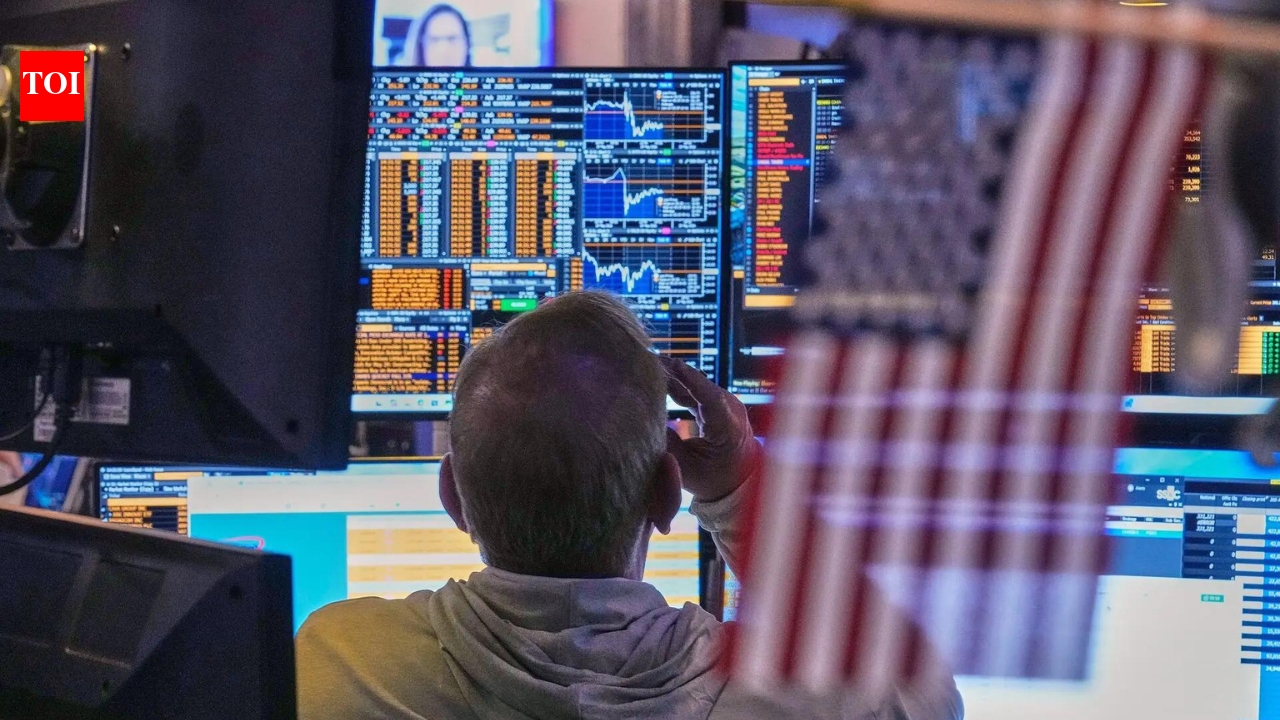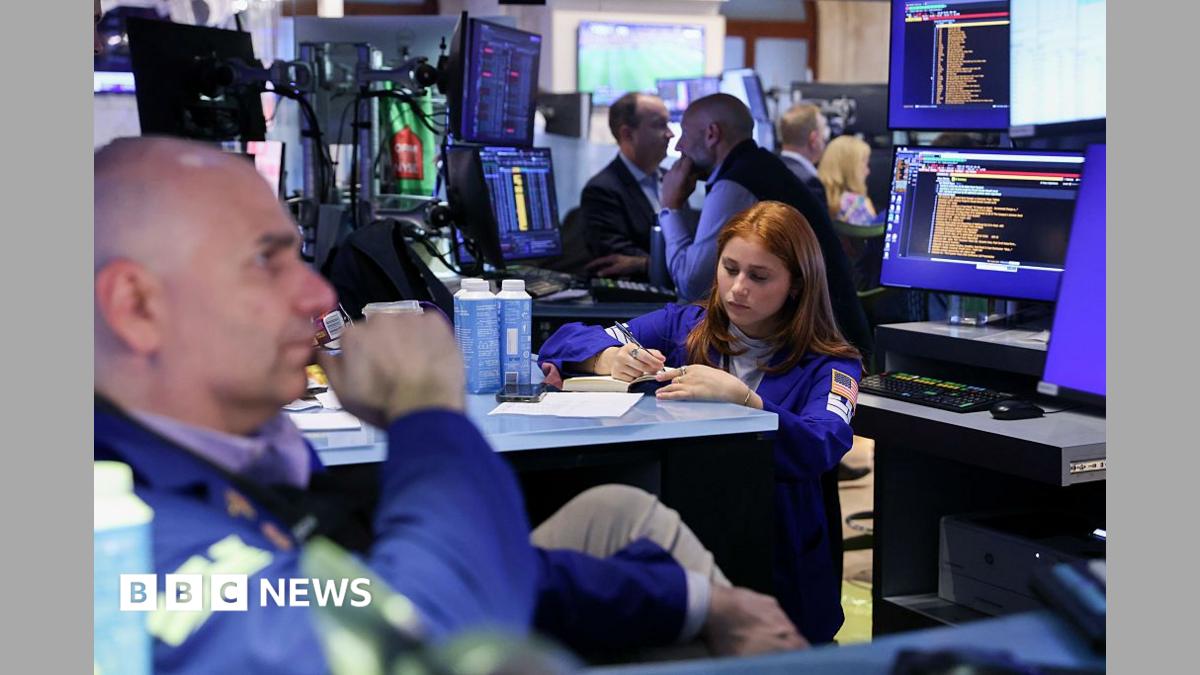
Technology stocks suffered a sharp sell-off on Tuesday, with the Nasdaq Composite Index falling about 2%, as growing doubts over the sustainability of the artificial-intelligence boom triggered a wave of selling across major tech shares. According to a BBC report, the decline reignited fears that dizzying market valuations have run out of momentum after a relentless three-month climb.
Nasdaq Falls 2% as Chipmakers Lead Decline
The tech-focused Nasdaq dropped approximately 2% alongside international chipmakers, according to the BBC. The downturn hit semiconductor players such as Nvidia and Intel the hardest, causing a primary index of global chip firms to slide. This turnaround follows a period where the wider tech sector had more than doubled stock prices from cyclical lows in 2022, suggesting that investors may have moved too quickly to fund the hardware behind the AI shift.
SpaceX IPO Volatility Exposes Vulnerability
SpaceX, the Texas-based aerospace company founded by Elon Musk, endured an incredibly choppy session on Tuesday. The newly public firm's share price plunged below the $150 (£114) mark—its initial flotation price—before staging a modest recovery to $157, despite the broader market anxiety. Later, the stock managed a slight rebound to settle around $160. The BBC reported that SpaceX has faced highly volatile trading since going public on 12 June, proving just how vulnerable newly listed companies are when general tech sentiment turns sour. Some optimistic traders interpreted the quick bounce as a sign of steady underlying interest in the commercial space sector, while sceptics argue that these massive price swings only expose the highly speculative nature of today's market.
Analysts Split on Whether Pullback Is Sustainable
Market analysts are now split on the next move, disagreeing on whether this sell-off is merely a healthy, temporary pause or the start of a much larger retreat for tech investments. The more optimistic view suggests that taking profits is a standard reaction following a historic run.
Bank of America's Vivek Arya supported this perspective. In a note to clients, Arya argued that the combination of sticky inflation and strengthening demand will ultimately drive sector forecasts higher. According to Arya, the industry is simply transitioning from a phase where it had to defend its initial return on investment to one focused on solving physical infrastructure and power constraints.
However, a growing number of sceptics counter that cooling corporate IT budgets and broader economic pressures mean the period of easy market gains is over. Reflecting the shift, Danni Hewson, head of financial analysis at AJ Bell, noted that the relative lack of tech stocks on London markets helped the FTSE 100 stay in positive territory, even as Wall Street buckled.
Looking Ahead: Earnings Season to Test AI Investment Thesis
As the trading week continues, Wall Street will be closely watching upcoming corporate earnings. The BBC noted that tech giants must prove their massive AI investments are generating real profits rather than just marketing buzz. The coming earnings reports will serve as a critical test for whether the AI spending boom can justify current valuations or whether further corrections lie ahead.
Sources: