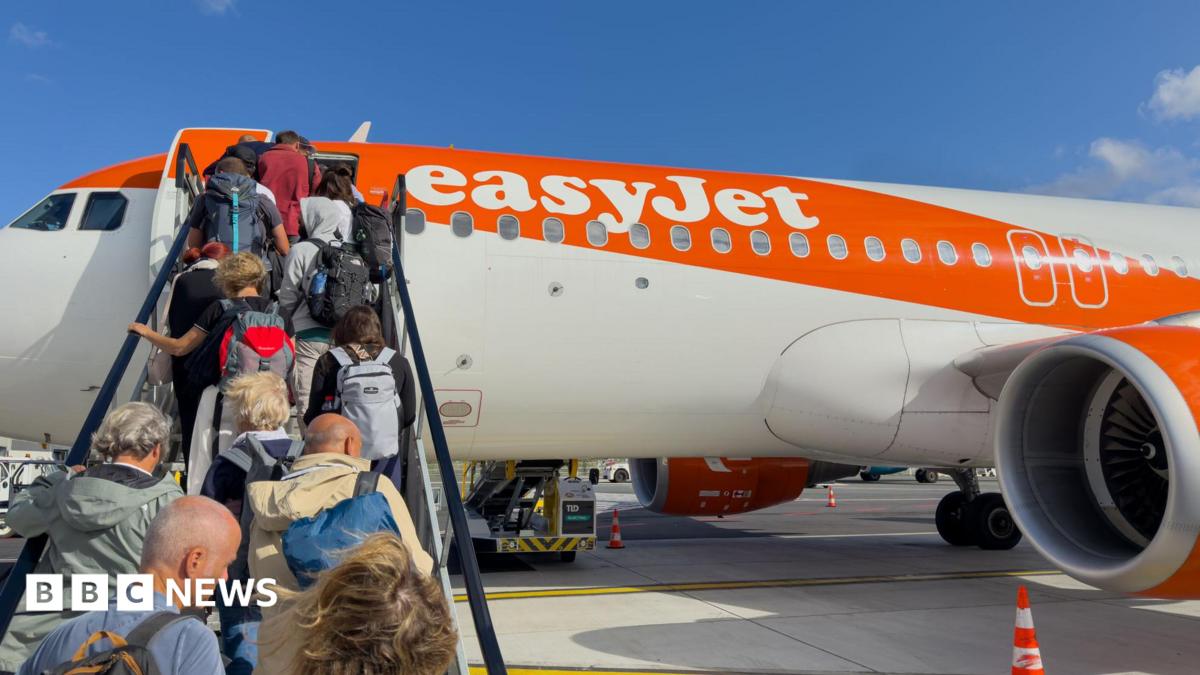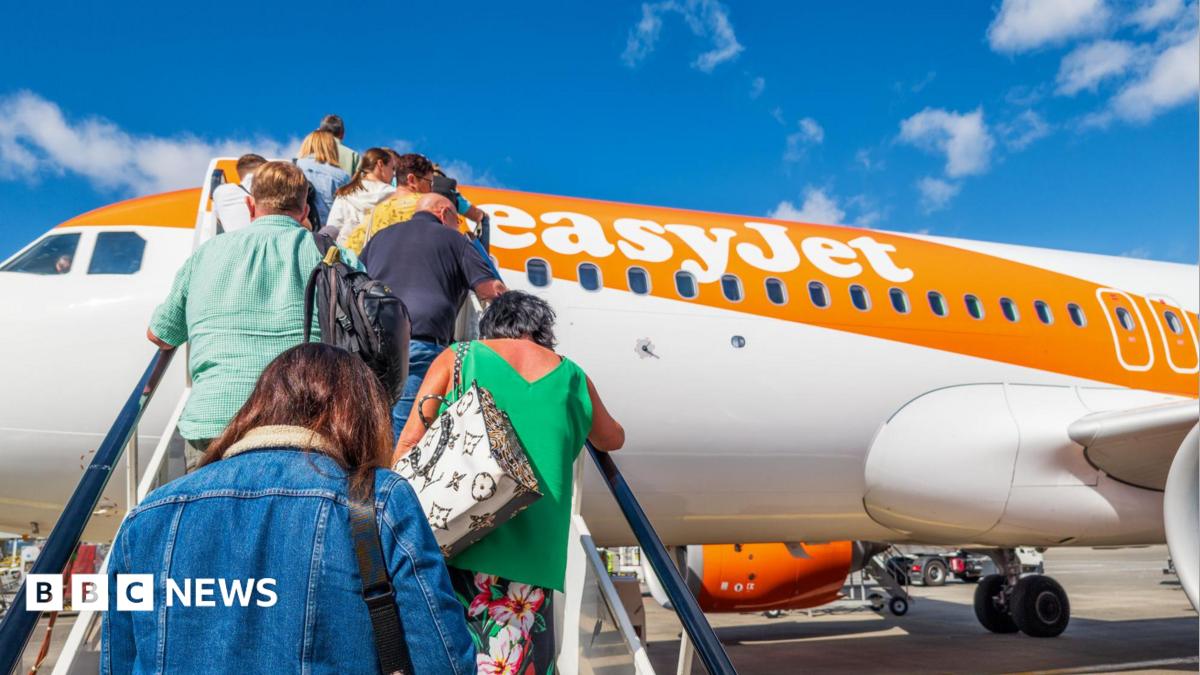
EasyJet has rejected a £4.74bn takeover offer from US investment firm Castlelake, calling the bid approach 'highly opportunistic', according to a BBC Business report. The rejection sets the stage for a potential hostile bid as Castlelake has until this Friday to make a firm offer or walk away.
Offer Details and Premium
Under Castlelake's latest proposal, EasyJet shareholders would receive 625p per share, representing a 24% premium to last Friday's closing price, according to the report. The total enterprise value of the bid is £4.74bn. Castlelake, which already owns a 2.14% stake in the airline through funds it manages, disclosed that it had made three approaches to EasyJet this month, all of which were rejected by the board.
| Aspect | Detail |
|---|---|
| Offer price per share | 625p |
| Premium to last close | 24% |
| Total enterprise value | £4.74bn |
| Castlelake's existing stake | 2.14% |
| Number of approaches | Three (all rejected) |
| Deadline for firm offer | This Friday |
Castlelake's Rationale and Public Appeal
In a statement, Castlelake said it is announcing the third proposal publicly 'to enable EasyJet shareholders to consider its merits', noting the board's 'unwillingness to engage meaningfully'. The US firm described its latest bid as offering 'compelling value' to shareholders. Castlelake also stated its ambition: 'to support EasyJet as a stronger, more resilient European airline under European control, respecting EasyJet's valuable airline assets and continuing to sustain its network.'
Regulatory Hurdles and Ownership Structure
A key regulatory constraint is that EU regulations require EasyJet to be majority-owned by EU citizens. Castlelake addressed this by proposing an ownership structure it called a 'deliverable solution to ensure compliance with all applicable regulatory requirements.' The BBC report notes that the US fund's plan would need to satisfy these rules, given that Castlelake is a US-based firm.
Next Steps and Implications
With the deadline set for this Friday, Castlelake must either make a formal offer or abandon the pursuit. If it proceeds without board support, the bid would be hostile, putting pressure on EasyJet shareholders to decide. The rejection highlights the board's view that the offer undervalues the airline, especially as the travel sector recovers. Investors and analysts will watch for any revised proposal or white knight defence.
For EasyJet, the approach comes amid a volatile period for European airlines, with cost pressures and capacity constraints reshaping the industry. The outcome will influence M&A dynamics in the sector, as other carriers may eye consolidation opportunities.
Sources: