Tata Group has instructed its majority-owned airline Air India to focus on cutting its record losses, marking a sharp reversal from the carrier's ambitious growth strategy, according to people familiar with the matter. The directive, reported by Bloomberg, reflects mounting financial pressure on the loss-making flag carrier, which has been bleeding cash for over a decade.
Strategic Pivot to Cost Reduction
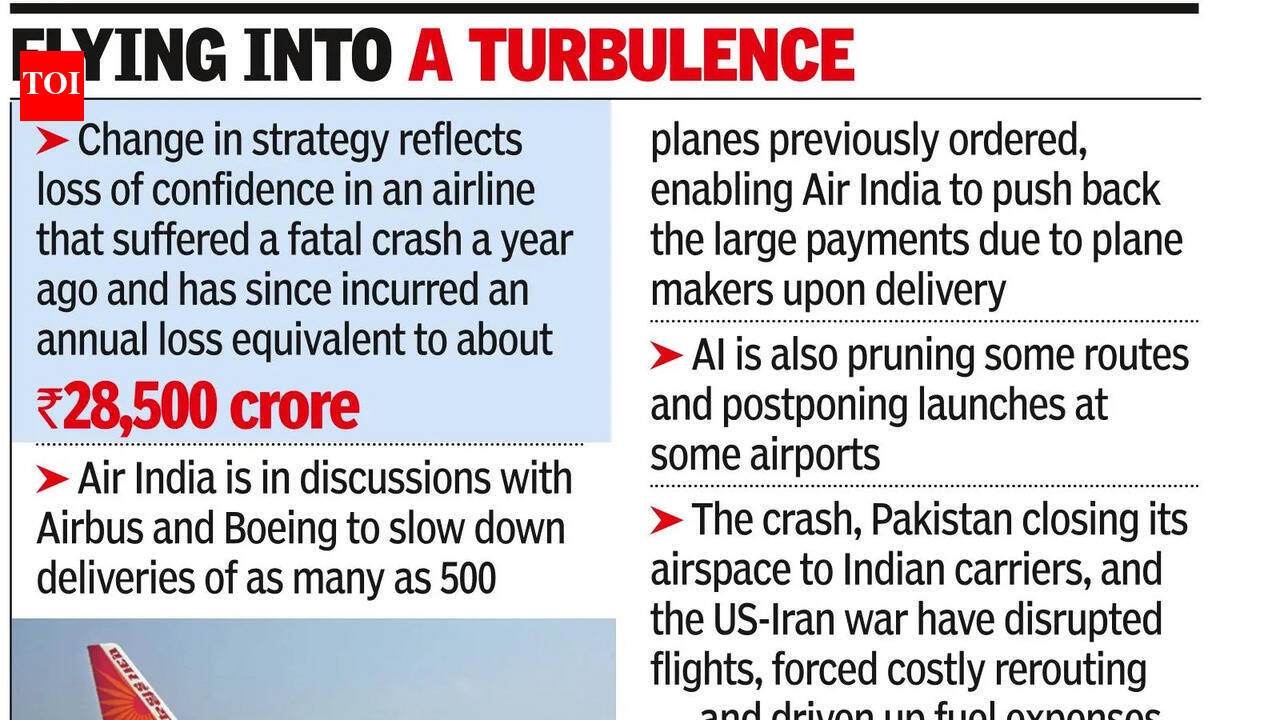
The change in strategy involves deferring aircraft deliveries, cutting flights, and postponing expansion plans. Air India is in discussions with Airbus and Boeing to slow deliveries of as many as 500 planes previously ordered during 2023 and 2024, with additional orders placed early this year. The bulk of deliveries were expected in 2027 and 2028, according to the people. Delaying deliveries would push back the large payment obligations, which can amount to about 80% of the purchase price upon handover.
Financial Losses Mount
Air India has been unprofitable for more than a decade, but losses have ballooned since the Tata Group took over the national carrier in 2022. The airline incurred an annual loss of approximately $3 billion (about Rs 28,500 crore). Accumulated losses since 2022 have exceeded Rs 55,000 crore ($5.8 billion), making the red ink a key concern for the board of Tata Trusts, which controls Tata Sons, the holding company that holds the majority of Air India. Singapore Airlines bought a 25.1% stake in Air India in 2024.
Route and Delivery Reductions
Air India is also reevaluating plans to fly to new domestic and international destinations. It is pruning some routes and postponing launches at certain airports, including the new Noida International Airport. Earlier this year, the carrier announced flight cuts due to the Iran war and airspace shutdowns.
Operational Challenges and External Shocks
The airline's performance has been hit by a series of external shocks:
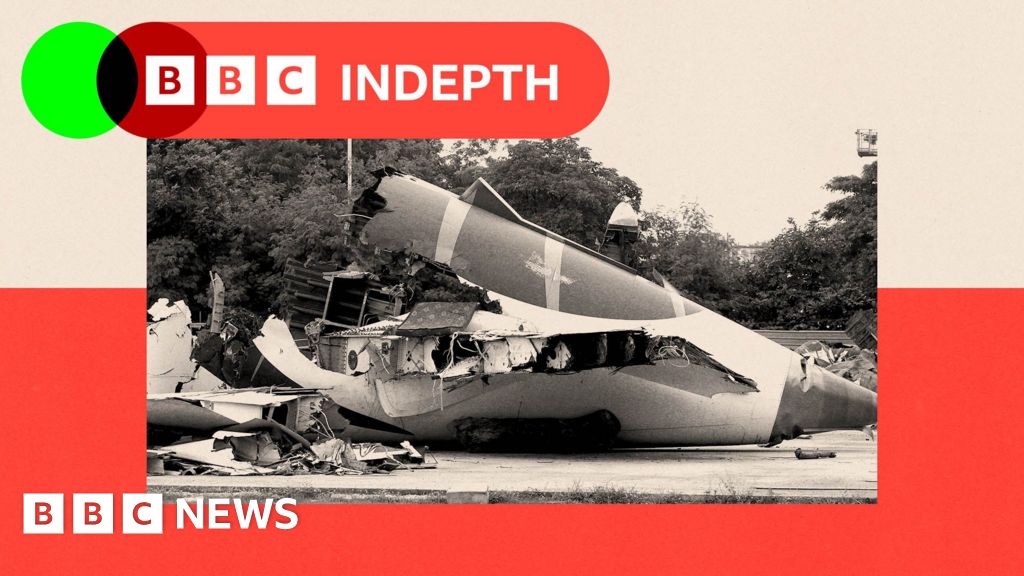
- A fatal crash last June
- Pakistan closing its airspace to Indian carriers
- The war in Iran disrupting flights and forcing costly re-routing
- Fuel expenses driven up by the conflict
- A weak Indian rupee, adding to financial woes since much of the airline's costs are denominated in dollars
Stakeholder Responses
An Air India spokesperson called the Bloomberg queries "highly speculative" and reiterated the carrier's commitment to modernising its fleet and carrying out its long-term transformation plan. Tata and Airbus did not respond to requests for comment. A Boeing spokesperson declined to comment.
| Metric | Value |
|---|---|
| Annual loss (2025) | ~$3 billion (Rs 28,500 crore) |
| Accumulated losses since 2022 | >Rs 55,000 crore ($5.8 billion) |
| Aircraft deliveries under discussion | Up to 500 |
| Singapore Airlines stake (2024) | 25.1% |
Implications for the Industry
For investors and analysts, Air India's pivot underscores the difficulty of turning around a legacy carrier amid high fuel costs, currency pressure, and geopolitical disruptions. The deferral of aircraft deliveries could affect Airbus and Boeing order backlogs, while route cuts may reshape competitive dynamics in Indian aviation. The Tata Group's focus on stabilising operations before expanding suggests a more cautious approach to the airline sector than previously anticipated.
Sources: