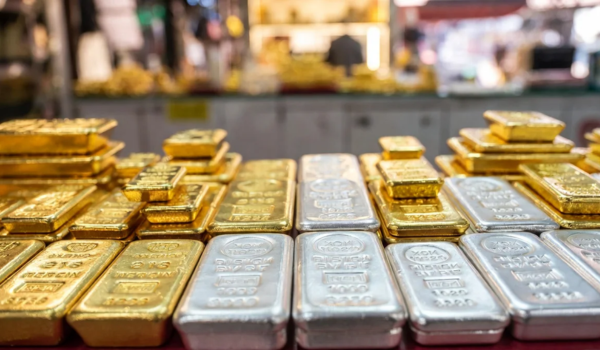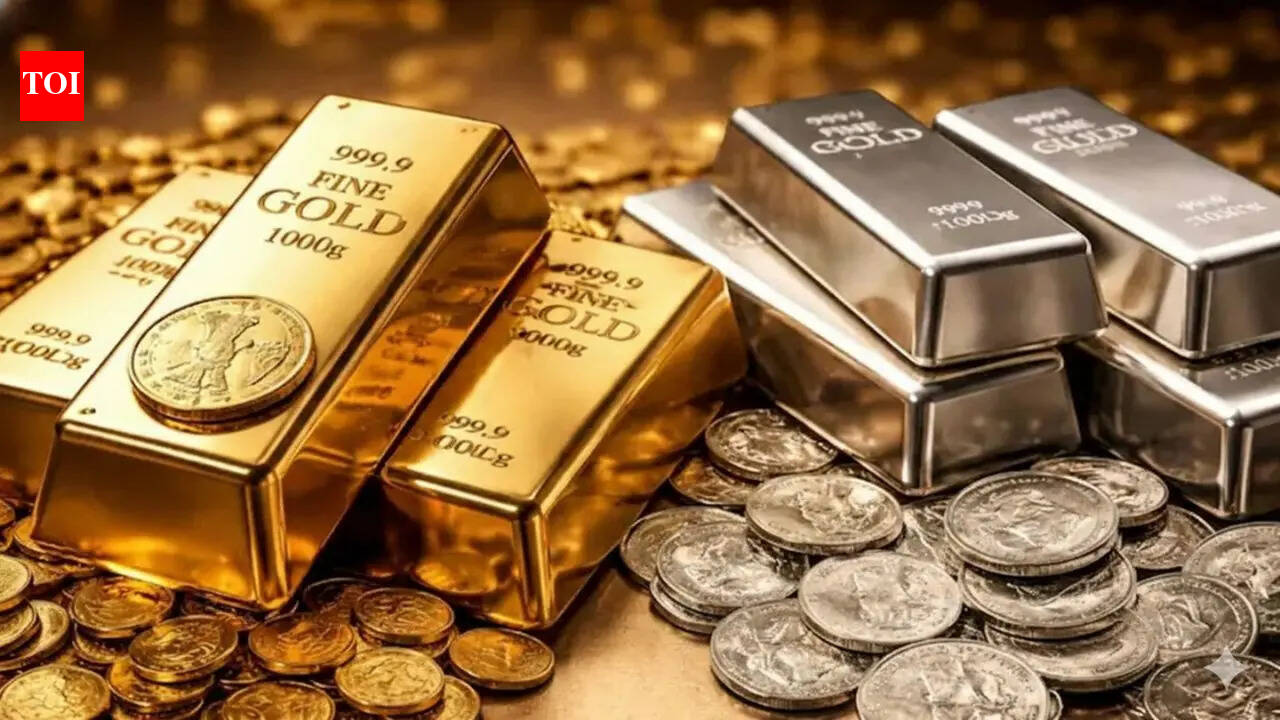
Spot gold declined 1.2% to $4,072.78 an ounce in early trading, while US gold futures for August delivery slipped 0.8% to $4,081.70, as escalating tensions over the Strait of Hormuz pushed crude oil prices sharply higher, according to The Times of India.
Geopolitical Drivers
The price drop was driven by concerns surrounding the Strait of Hormuz, a critical chokepoint for global oil shipments. Analysts believe any further escalation in the US-Iran conflict could keep crude oil prices elevated, rekindle inflation concerns and boost demand for traditional safe-haven assets such as the US dollar and Treasury bonds, potentially capping gains in gold and silver.
"For gold and silver, momentum remains down and corrective. Focus will again turn back on the US-Iran conflict. Any big escalation would again push oil prices higher and will strengthen safe-haven assets like the US dollar and Treasury bond yields," said Pranav Mer, Senior Vice President, EBG – Commodity & Currency Research at JM Financial Services Ltd.
Market Impact on Precious Metals
While gold and silver prices have been volatile, analysts note that bullion remains in a corrective phase. The table below summarizes the key price movements:
| Instrument | Price | Change |
|---|---|---|
| Spot gold | $4,072.78/oz | -1.2% |
| US gold futures (Aug) | $4,081.70/oz | -0.8% |
According to The Times of India, beyond the United States and Europe, investors are also expected to watch key economic indicators from China, the world's largest consumer of several industrial commodities. Data on GDP growth, industrial production, fixed asset investment, trade, and bank lending are likely to provide important signals about the strength of the Chinese economy. While these indicators have a more direct impact on industrial metals, analysts believe improving economic activity in China can also influence overall commodity market sentiment.
Outlook and Key Data Releases
As precious metals remained volatile in the previous week, gold and silver are expected to remain sensitive to global developments in the coming days. Analysts believe bullion could continue to trade with a corrective bias unless stronger fundamental triggers emerge. Market attention is likely to remain firmly on geopolitical tensions in the Middle East, where the recent escalation between the US and Iran has unsettled financial markets and boosted demand for traditional safe-haven assets. Investors are also expected to assess whether recent gains in crude oil prices persist, as higher energy costs could reignite inflation concerns.
While bullion recovered towards the end of last week on bargain buying, analysts say sentiment remains cautious, with traders likely to react quickly to fresh geopolitical headlines and macroeconomic data.
Sources: