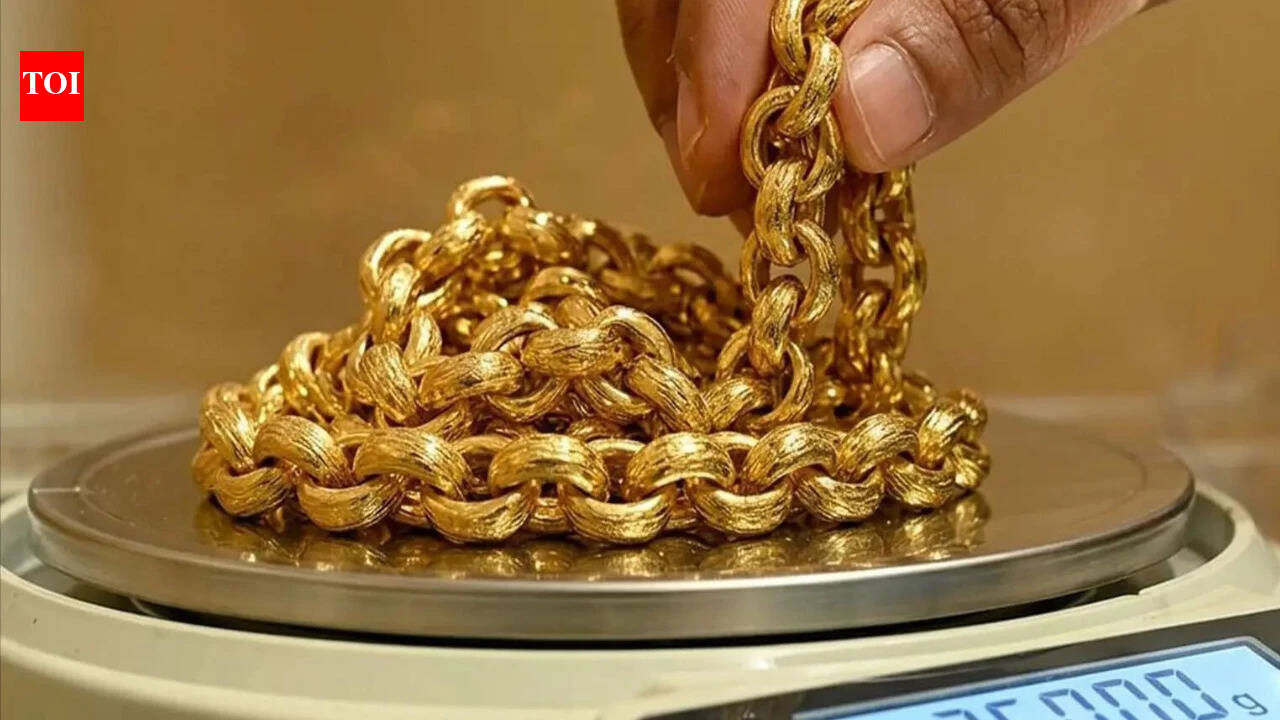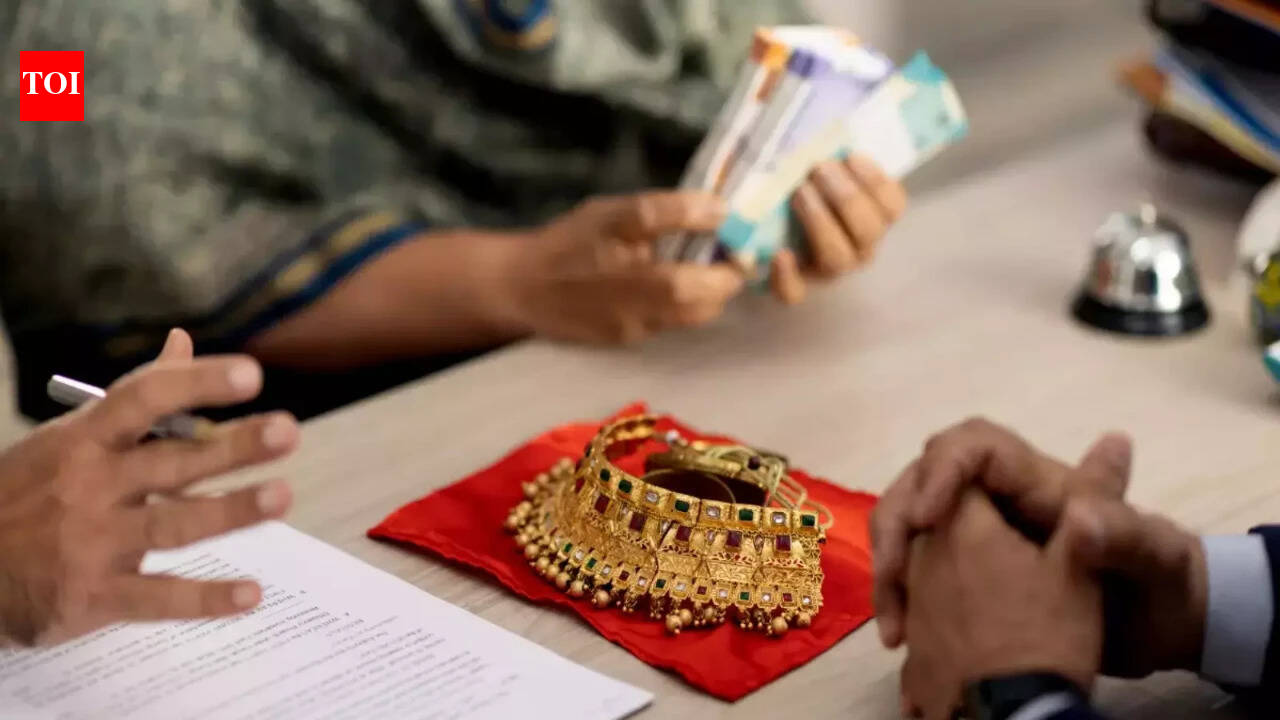
Gold loans in India grew by over 50% in FY26, propelled by larger ticket sizes for existing borrowers and a broad shift from unsecured personal loans to secured gold financing, according to a study by Icra and data from credit bureau CRIF.
Drivers of Growth
The surge was not driven by new borrowers or more gold being pledged. CRIF data shows the number of gold loan borrowers increased by only 3.1% in FY26 to 899.2 lakh. Instead, higher gold prices allowed lenders to increase collateral valuation per gram, enabling existing borrowers to take larger loans against the same physical gold. "Growth was achieved via higher collateral valuation per gram, allowing existing borrowers to take higher ticket sizes against the same physical gold," said A M Karthik, senior vice-president and co-group head, financial sector ratings, Icra.
According to Icra's study, the gold loan book of major players expanded 24% during 2021-22 to 2025-26, while NBFC branch additions and the total tonnage of gold jewellery held as collateral grew at a modest 3-4%. The rise in gold prices was the primary driver behind the loan book expansion.
| Metric | FY26/Period | Change |
|---|---|---|
| Gold loan book growth (overall) | FY26 | Over 50% |
| Borrowers (number) | FY26 | +3.1% to 899.2 lakh |
| Major players' loan book (2021-22 to 2025-26) | 5-year | +24% |
| Collateral tonnage growth | 5-year | 3-4% |
| NBFC branch additions growth | 5-year | 3-4% |
Market Structure and Share
As of March 2026, gold loans accounted for 22.4% of total consumer credit in India, making them the second-largest retail credit segment after home loans (26.3%). NBFCs increased their share of the organised gold loan market to 22% in March 2026, with gold loans comprising 20% of their assets under management.
Among nationalised banks, Canara Bank holds the largest share of gold loans. Its non-agri gold loan book crossed Rs 1 lakh crore in Q1FY27. "We expect gold loans to continue growing at a strong pace going forward given the bank's concentration of branches in South India where gold loans are popular," said Brijesh Kumar Singh, the bank's MD and CEO.
Shift from Unsecured Credit
The shift from unsecured credit options has been a key factor. According to Karthik, "Gold loans have functioned countercyclically, capturing demand from borrowers shifting away from unsecured credit options (such as personal loans, SME credit, and microfinance) toward secured gold financing." He added that the slowdown in unsecured lending prompted lenders to shift their own focus to gold loans.
This trend has allowed existing borrowers to leverage the gold already pledged with lenders to borrow more. The countercyclical nature of gold loans means they become more attractive when other credit forms tighten, providing a stable growth avenue for lenders.
Outlook
With gold prices remaining elevated and unsecured credit growth slowing, gold loans are likely to continue their strong trajectory. Canara Bank's Singh cited regional demand in South India as a continued growth driver. The Icra study confirms that gold loan growth will remain tied to gold price movements and the health of unsecured lending segments, making it a key segment for retail lenders seeking asset-backed growth.
Sources: