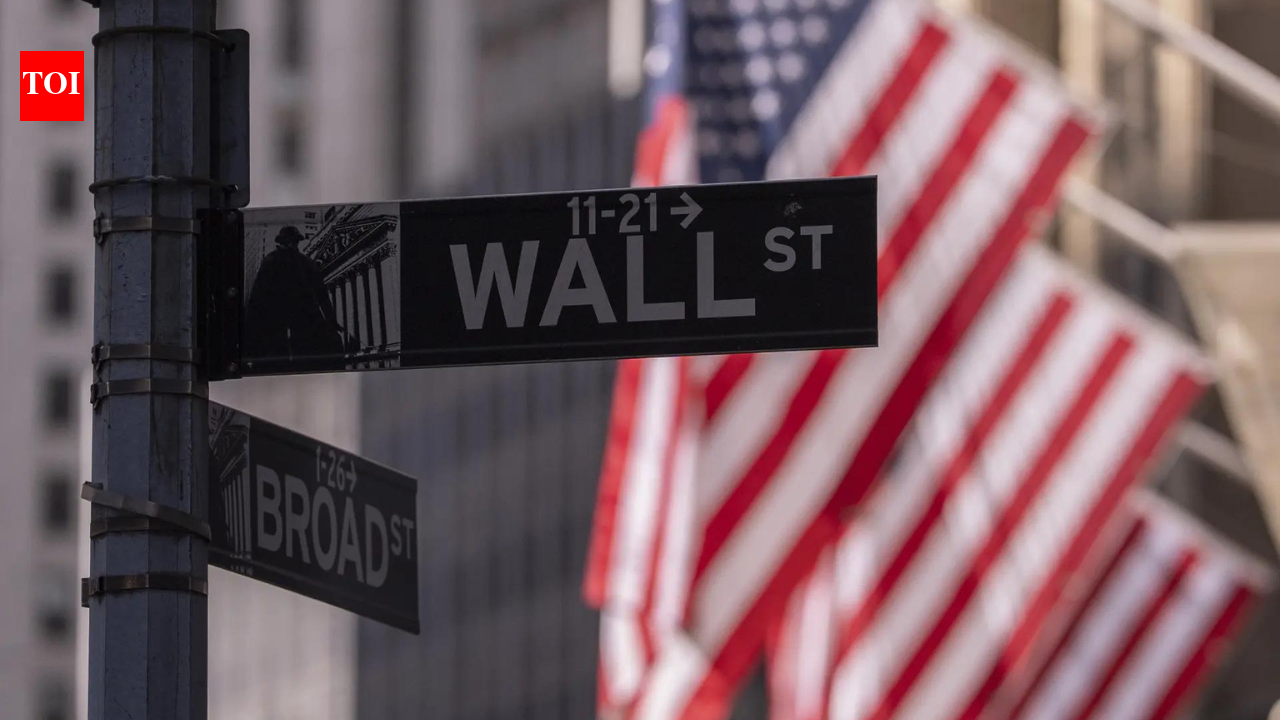
Wall Street heads into the second half of 2026 with investors bracing for a closely watched US jobs report that could reshape expectations for Federal Reserve interest rates, even as sharp swings in artificial intelligence (AI) and semiconductor stocks continue to keep markets on edge, according to Reuters.
Jobs Report to Shape Fed Expectations
The benchmark S&P 500 is on track to end the first half of the year with gains of more than 7%, but June has proved far more volatile as investors reassess lofty valuations in technology stocks and the outlook for monetary policy, as reported by Reuters. The June non-farm payrolls report, due on Thursday, is expected to be the week's biggest market trigger. US financial markets will remain closed on Friday for the Independence Day holiday.
The Federal Reserve's latest policy meeting reinforced policymakers' focus on tackling inflation, making next week's employment data critical for markets. "If we do get a really good jobs number, my guess is the market's not going to treat that as good news," Doug Huber, deputy chief investment officer at Wealth Enhancement, told Reuters. "It's going to treat it as the economy's hot and it's going to start to probably price in even higher risks of potentially a hike."
Economists polled by Reuters expect the US economy to have added 110,000 jobs in June after payrolls rose 172,000 in May. Inflation has also remained well above the Fed's 2% target. Data released this week showed consumer inflation crossing 4% for the first time in three years, driven by higher energy prices following the Middle East conflict.
"The Fed is very finely balanced," Brad Conger, chief investment officer at Hirtle & Co, told Reuters. "Even if the jobs data is not a big surprise, it can tilt the Fed in one direction or the other... If jobs are strong, interest rates could go back up, and that challenges the market."
Fed funds futures currently imply better-than-even odds of a rate hike by September, according to LSEG data.
| Indicator | Actual/Previous | Consensus | Implication |
|---|---|---|---|
| S&P 500 first-half return | >7% | - | Strong rally but June volatility |
| June non-farm payrolls | 172K (May) | 110K (June) | Weak reading could ease rate fears |
| US consumer inflation | >4% (June) | - | Above Fed's 2% target, pressure on rates |
| Fed rate hike odds (by Sep) | >50% (LSEG) | - | Better-than-even chance of hike |
AI Stocks Remain the Biggest Swing Factor
Technology and semiconductor stocks are expected to remain at the centre of market action after a volatile week. The Philadelphia Semiconductor Index has surged about 85% since its late-March low before retreating this week as investors questioned whether AI-driven gains had run too far too fast, according to Reuters. Strong quarterly earnings from Micron Technology helped support sentiment, but the Nasdaq Composite still ended the week down more than 4%.
"The flavor of tech leadership for the last two months has been semiconductor-related names... concentrated in memory-related equities," Julia Hermann, global market strategist at New York Life Investment Management, told Reuters. "The live question is, are higher interest rates going to threaten the more cyclical and volatile component of market leadership at play?"
Middle East, Earnings Also in Focus
Investors will also monitor developments in the Middle East after crude oil prices eased to around USD 70 a barrel from nearly USD 100 a month ago following a ceasefire, according to Reuters. "We are trying to evaluate: is there staying power to a truce in the Middle East and that impact on oil and the big knock-through effect on inflation," Huber told Reuters.
Markets will also watch quarterly results from Nike next week ahead of the broader second-quarter earnings season beginning in July.
For CFOs and treasury professionals, the key takeaway is that the jobs report could trigger a significant repricing of rate expectations. A strong print may push the Fed toward a September hike, raising the cost of capital for trade finance and increasing hedging costs for FX exposures. Conversely, a weak number could reinforce the pause and support risk assets. The AI-driven volatility in tech stocks, meanwhile, underscores the need to monitor sector-specific risks in portfolios exposed to semiconductor and memory supply chains. The drop in oil prices from near USD 100 to around USD 70 offers some relief on input costs, but the durability of the Middle East ceasefire remains uncertain. As the second half begins, the interplay of labour market data, Fed policy, and geopolitical developments will be central to market direction.
Sources: