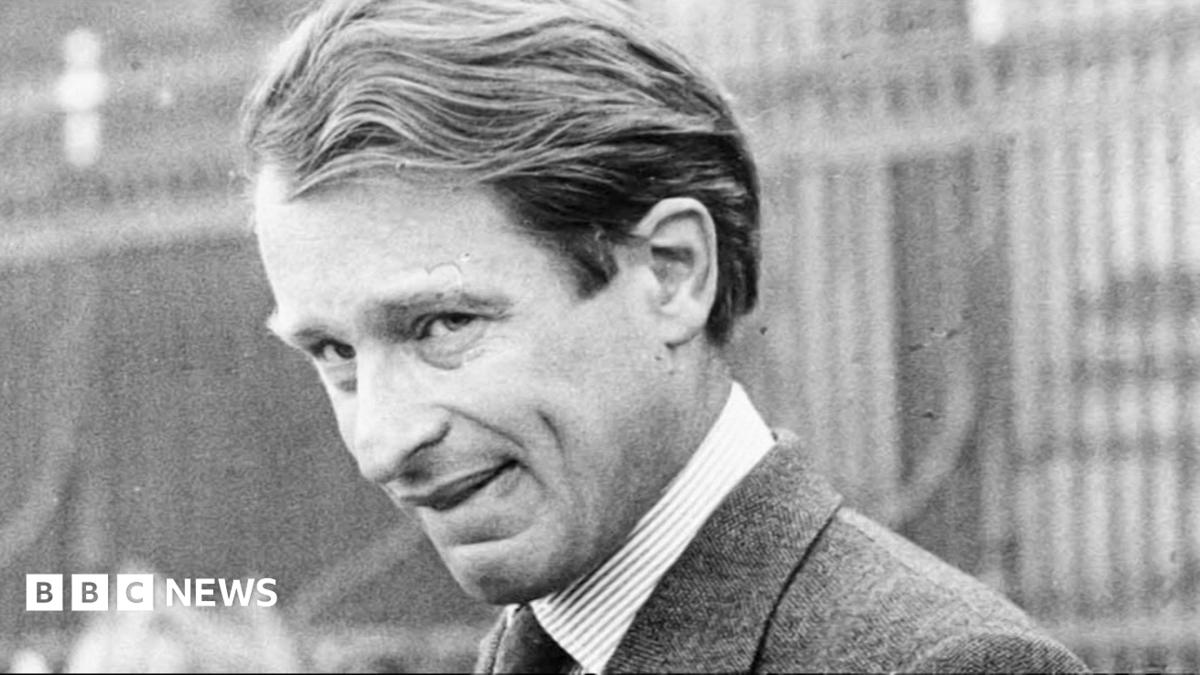
The late owner of streaming platform OnlyFans was paid more than $700m (£513m) in dividends before his death from cancer earlier this year, according to BBC News. The dividends were paid through Fenix International Ltd, the British company that owns the platform, whose annual report showed $714m in profit before tax last year — an increase of 5% from 2024, the BBC reported. The BBC's coverage also reported the platform made $700m in profit last year.
Dividend payments and profitability
According to Fenix International's company results, cited by the BBC, the business paid dividends of $535m for the year ending 30 November 2025, with further dividend payments totalling $174m between then and 26 March 2026. Combined, those payments exceed $700m. The payout relates to Leonid Radvinsky, who died on 23 March at age 43. The company is now owned by his widow, Yekaterina 'Katie' Chudnovsky.
| Financial metric | Figure |
|---|---|
| Profit before tax (latest year) | $714m |
| Profit growth vs 2024 | +5% |
| Dividends paid (year ending 30 Nov 2025) | $535m |
| Further dividends (to 26 Mar 2026) | $174m |
| Total dividend flow | over $700m (£513m) |
| Corporate taxes paid 2016 to date | over £600m |
| Employee headcount | 47 |
The profitability per employee is striking, the BBC noted. OnlyFans employs just 47 people, whereas British retail chain Marks and Spencer, which employs over 65,000 people, made £671m in profit last year.
Ownership and company history
Radvinsky, who was born in Ukraine and raised in the US, bought OnlyFans from its British founders in 2018, according to the BBC. The platform surged in popularity during the Covid-19 pandemic, landing Radvinsky on Forbes' annual list of billionaires just three years later. The site hosts a range of subscription-based content, from cooking to fitness videos, but it is best known for pornography and is credited with transforming online adult content by encouraging personal connection between sex workers and subscribers.
Platform economics
OnlyFans takes a 20% share of all payments made on the platform, the BBC reported. The site had 132 million paying subscribers and 2.5 million active creators in 2025. Chief executive Keily Blair said on Tuesday that the company had paid over $30bn to creators since launching a decade ago.
"OnlyFans provides real opportunities to real people by creating a safe, regulated space where people can monetise their content with a global fan base," Blair said. "As a UK-based business we have also made a significant contribution to the UK economy, paying over £600 million in corporate taxes from 2016 to date."
Regulatory scrutiny
The platform's growth also brought scrutiny from lawmakers and regulators, according to the BBC. In 2024, British regulators launched an investigation into whether children were accessing porn, an issue the company at the time blamed on a technical issue. Ofcom ultimately dropped that probe, but fined the firm about £1m for failing to respond accurately to requests for information about the measures it had in place to check the age of its users, who in theory must be 18 or over. Additionally, a recent BBC Three documentary uncovered allegations of exploitation, coercion and violence committed against OnlyFans creators, the same report noted.
Implications for finance executives
The BBC's disclosure offers a concentrated case study in corporate capital allocation and regulatory risk. Fenix International's ability to pay out more than $700m in dividends while employing 47 people underscores how platforms can generate outsized cash flows with minimal payroll. For treasury and finance professionals, the sequence of events — a multi-hundred-million-dollar dividend flow, the owner's death, and the transfer of ownership to his widow — illustrates ownership-transition considerations for privately held businesses. The regulatory thread, including the £1m fine from Ofcom and the ongoing scrutiny of content policies, highlights how platform revenue models can be exposed to non-financial regulatory risk. The BBC's figures also show the tax contribution: over £600m in corporate taxes paid from 2016 to date, which the company's chief executive highlighted as a benefit to the UK economy.
Sources: