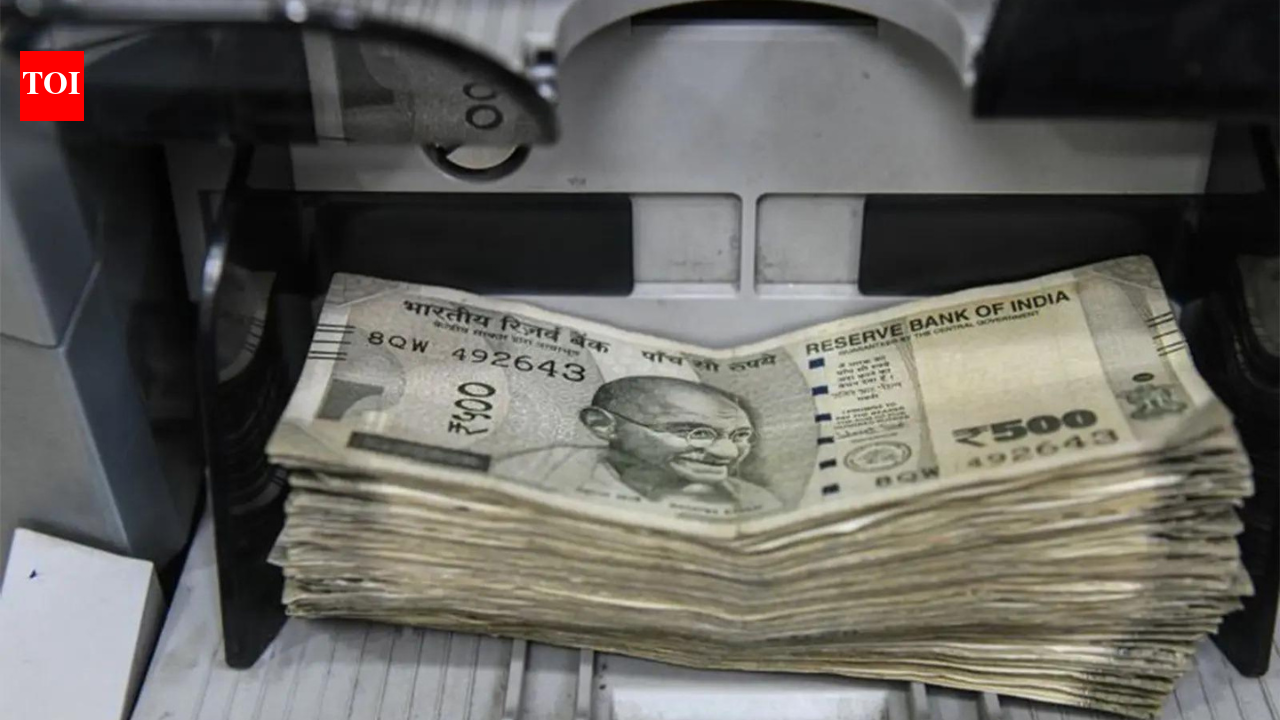
Bank credit in India expanded at the strongest pace since June 2024, recording 17.7% year-on-year growth for the fortnight ending May 31, 2026, according to a Business-Today report. Outstanding credit rose by Rs 1.5 lakh crore since March 31, 2026, a 0.7% year-to-date increase, reaching Rs 215.2 lakh crore. However, aggregate bank deposits moved in the opposite direction, contracting by Rs 2.3 lakh crore (0.9%) over the same period, resulting in a wedge of about Rs 3.8 lakh crore between loans and deposits in just the first two months of FY27.
Funding Gap Widens Amid Deposit Slowdown
For FY26 as a whole, deposits had grown by Rs 36.5 lakh crore between March 2025 and March 2026, while credit rose by Rs 31.1 lakh crore in the same period. The current financial year has seen a sharp reversal in deposit momentum. Deposit growth stood at 12.2% as of May 31, 2026, lagging credit expansion by more than 500 basis points. Bankers surveyed by Business-Today attributed the credit demand partly to oil marketing companies facing lower realisations after the surge in crude prices, and to government support through the emergency credit line guarantee scheme (ECLGS), which has lifted credit offtake.
Credit-Deposit Ratio Above 82%
The structural mismatch between credit and deposit growth has pushed the credit-deposit (C/D) ratio above 80% since October 2025. As of May 31, 2026, the ratio stood at 82.8%, after peaking at over 83% at the end of March 2026. This marks a sharp rebound from the pandemic-era low of 69.6% in November 2021.
| Metric | Value | Change |
|---|---|---|
| Credit growth (YoY, May 31, 2026) | 17.7% | Highest since June 2024 |
| Outstanding credit (May 31, 2026) | Rs 215.2 lakh crore | +Rs 1.5 lakh crore since Mar 31 |
| Aggregate deposits (May 31, 2026) | Rs 260 lakh crore | -Rs 2.3 lakh crore since Mar 31 |
| Credit-deposit gap | Rs 3.8 lakh crore | Widened in two months |
| Credit-deposit ratio (May 31, 2026) | 82.8% | Up from 69.6% (Nov 2021) |
Banking Sector Adjustments
Banks have responded to the liquidity squeeze by reallocating balance sheets. According to the Business-Today report, growth in holdings of government securities slowed to about 2% in January 2026, recovering modestly to 4.9% by May 31, 2026. This pullback reflects the need to free up liquidity amid weak deposit mobilisation. The current phase represents a tightening environment where credit growth continues to outpace deposit growth, leaving the system with a credit-deposit ratio of 82.8%.
Implications for Trade Finance and Cost of Capital
The widening funding gap and elevated credit-deposit ratio signal tighter liquidity conditions for the banking system, which typically raises the cost of funds for banks. For trade finance professionals and treasury directors, this implies higher cost of capital for working capital loans, letters of credit, and other trade finance instruments. The sustained credit demand from oil marketing companies and ECLGS beneficiaries also suggests that bank lending is being channeled toward specific government-supported sectors, potentially crowding out other borrowers. With deposit growth lagging credit expansion by over 500 basis points, banks may need to raise deposit rates or seek alternative funding sources, further pressuring net interest margins and increasing the cost of trade credit.
Sources: