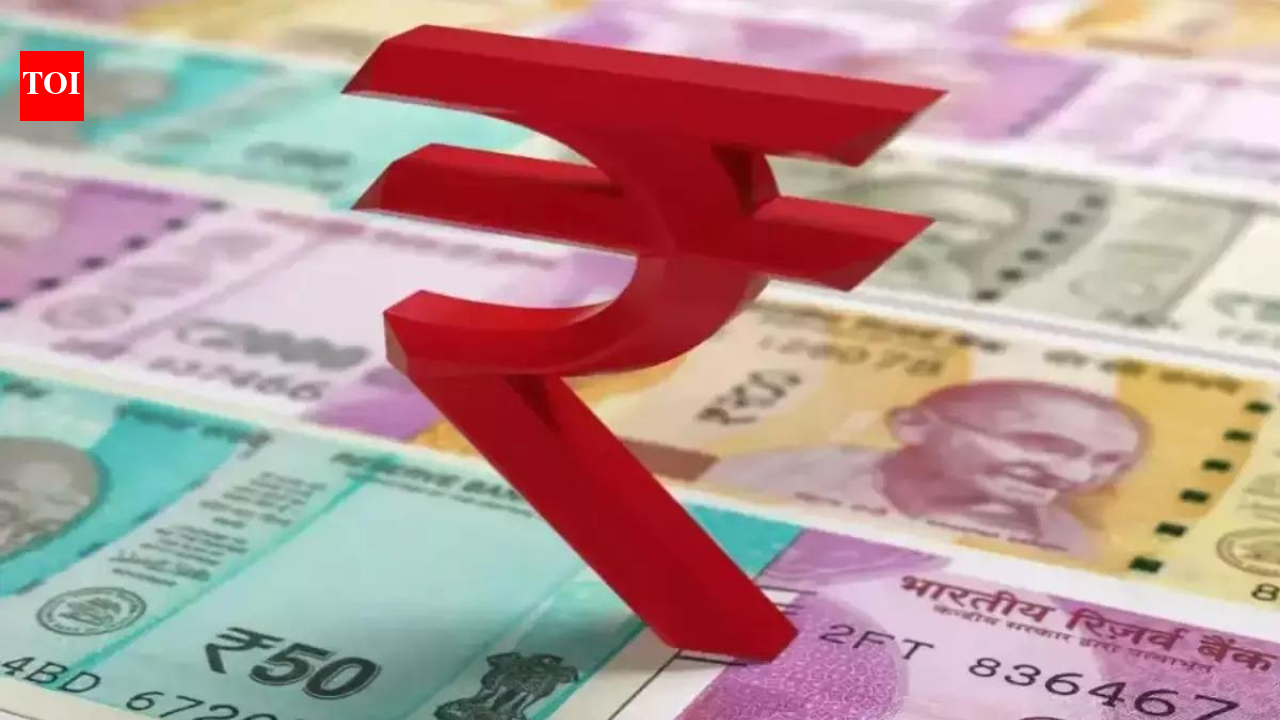
The Indian rupee opened 11 paise lower at 96.36 against the US dollar in early trade on Wednesday, according to Business Today. The currency slipped from its previous close of 96.25, weighed down by rising crude oil prices and increased demand for safe-haven assets amid renewed geopolitical tensions.
Rupee Opens Weaker Amid Geopolitical Tensions
Market participants attributed the weakness to renewed US-Iran hostilities and Houthi threats against shipping, which have kept energy markets on edge, the report said. Forex traders noted that worries over the security of oil shipments through the Red Sea and the Strait of Hormuz continue to underpin crude prices. Even as the dollar index edged 0.01% lower to 101.15, it continued to attract demand as investors sought safer assets following the latest escalation in the US-Iran conflict, according to Business Today.
Crude Oil and Safe-Haven Demand
Oil prices remained firm, with Brent crude, the global benchmark, rising 1.18% to USD 92.08 a barrel in futures trade. The combination of higher crude prices and dollar demand exerted downward pressure on the rupee, raising import costs for Indian refiners and widening the current account deficit concerns for corporate treasuries.
| Key Market Data | Current Level | Change |
|---|---|---|
| USD/INR (open) | 96.36 | +0.11 (+0.11%) |
| Dollar Index | 101.15 | -0.01 (-0.01%) |
| Brent Crude | USD 92.08/bbl | +1.18% |
| BSE Sensex | 77,070.61 | -0.52% |
| NSE Nifty50 | 24,104.40 | -0.34% |
RBI's Role and Market Intervention
Recent measures by the Reserve Bank of India to attract overseas deposits have helped cushion the domestic currency, according to Anil Kumar Bhansali, Head of Treasury and Executive Director at Finrex Treasury Advisors LLP.
"RBI's measures to attract overseas deposits have generated significant foreign currency inflows, boosting market confidence and providing support to the rupee," Bhansali said.
He added that dealers are closely monitoring whether the RBI intervenes through state-owned banks to contain excessive volatility. "The central bank appears to be allowing gradual adjustments while preventing disorderly moves," he said.
Broader Market Impact
Domestic equity markets also traded in the red, with the BSE Sensex down 0.52% to 77,070.61 and the NSE Nifty50 plunging 0.34% at 24,104.40. Exchange data showed that Foreign Institutional Investors (FIIs) remained net buyers on Tuesday, purchasing equities worth Rs 1,650.16 crore, which provided some offset to the rupee's weakness.
Implications for Corporate Treasuries
For CFOs and treasury professionals, the rupee's depreciation increases the cost of importing crude oil and other dollar-denominated goods, directly impacting input costs and margins. Companies with unhedged foreign currency exposures face higher hedging costs as volatility persists. The RBI's gradual intervention approach suggests the central bank is focused on preventing disorderly moves rather than targeting a specific exchange rate level. Treasury teams should closely monitor geopolitical developments in the Middle East, crude oil price dynamics, and any further RBI measures such as open market operations or changes to the Foreign Currency Non-Resident (FCNR) deposit rates. The continued FII inflows offer some buffer, but the overall risk-on sentiment remains fragile amid escalating US-Iran tensions.
Sources: