Donald Trump's administration has refunded about $100 billion in tariffs after the US Supreme Court struck down a broad set of duties imposed under an emergency economic law, according to court filings cited by Reuters. The refunds, including interest, were paid to importers that had originally paid the duties, the filing in the US Court of International Trade shows.
Refund totals and processing
According to a filing in the US Court of International Trade, cited by Reuters, about 60 per cent of the $166 billion collected under the tariffs had been refunded by July 31. A US Customs and Border Protection official said around $128.68 billion in potential and certified refunds had been accepted for processing as of the same date. Of this, about $100 billion had been completed and sent to the Treasury Department for disbursement.
| Metric | Value (as of July 31) |
|---|---|
| Total tariffs collected under IEEPA | $166 billion |
| Refunded to importers | ~$100 billion (about 60%) |
| Potential and certified refunds accepted for processing | $128.68 billion |
| Completed and sent to the Treasury Department for disbursement | ~$100 billion |
The refunds, including interest, were paid to importers that had originally paid the duties.
- $166 billion was collected under the tariffs.
- ~$100 billion in refunds has been completed and sent for disbursement.
- $128.68 billion in claims had been accepted for processing by July 31.
Legal ruling behind the refunds
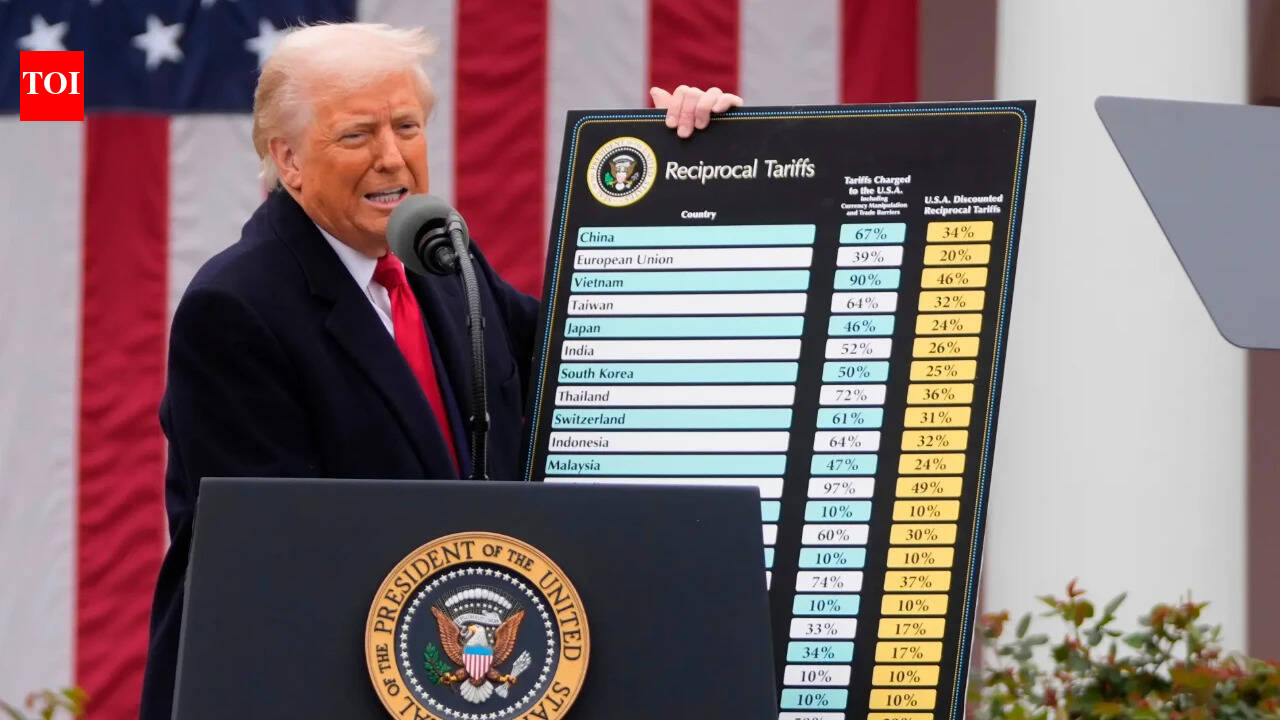
The tariffs were imposed by Donald Trump under the International Emergency Economic Powers Act (IEEPA), which he used to levy sweeping duties on goods from US trading partners, according to the report. The US Supreme Court ruled in February that the law did not give the president the authority to impose such tariffs unilaterally. The ruling forced the administration to return duties that had been collected under the measure.
Refund recipients and the consumer debate
The refunds have gone to importers rather than directly to consumers, the filing shows. Critics have argued that companies may not pass the money back to households through lower prices.
New tariff measures after the ruling
Since the Supreme Court decision, Trump has turned to other legal provisions to impose new tariffs. These include measures targeting specific sectors and tariffs imposed under Section 301 of the Trade Act of 1974, according to the report. The shift in legal authority comes after the court ruled that IEEPA did not authorise such unilateral tariffs.
For importers, the refund programme has returned cash paid on qualifying goods, with interest, while a portion of claims remains in the processing pipeline. The data filed with the US Court of International Trade distinguishes between the $166 billion collected, the $128.68 billion accepted for processing, and the $100 billion already disbursed.
Sources: