A potential breakthrough in the Middle East could soon ease major headaches for truckers, shippers, and manufacturers worldwide. On Friday, U.S. and Iranian leaders are set to formally sign a 14-point memorandum of understanding (MOU) in Switzerland, according to FreightWaves. This interim deal aims to end recent fighting, reopen the Strait of Hormuz, and start 60 days of talks on a final agreement.
The Strait of Hormuz and the Cost of Closure
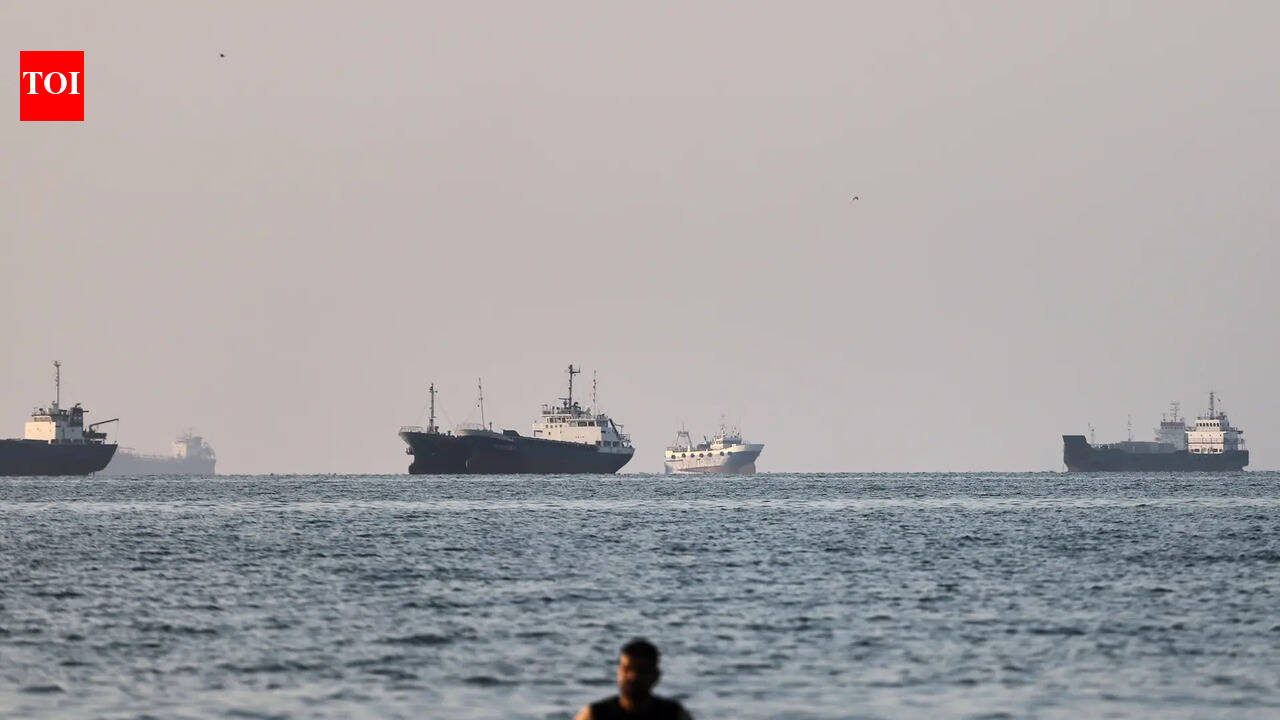
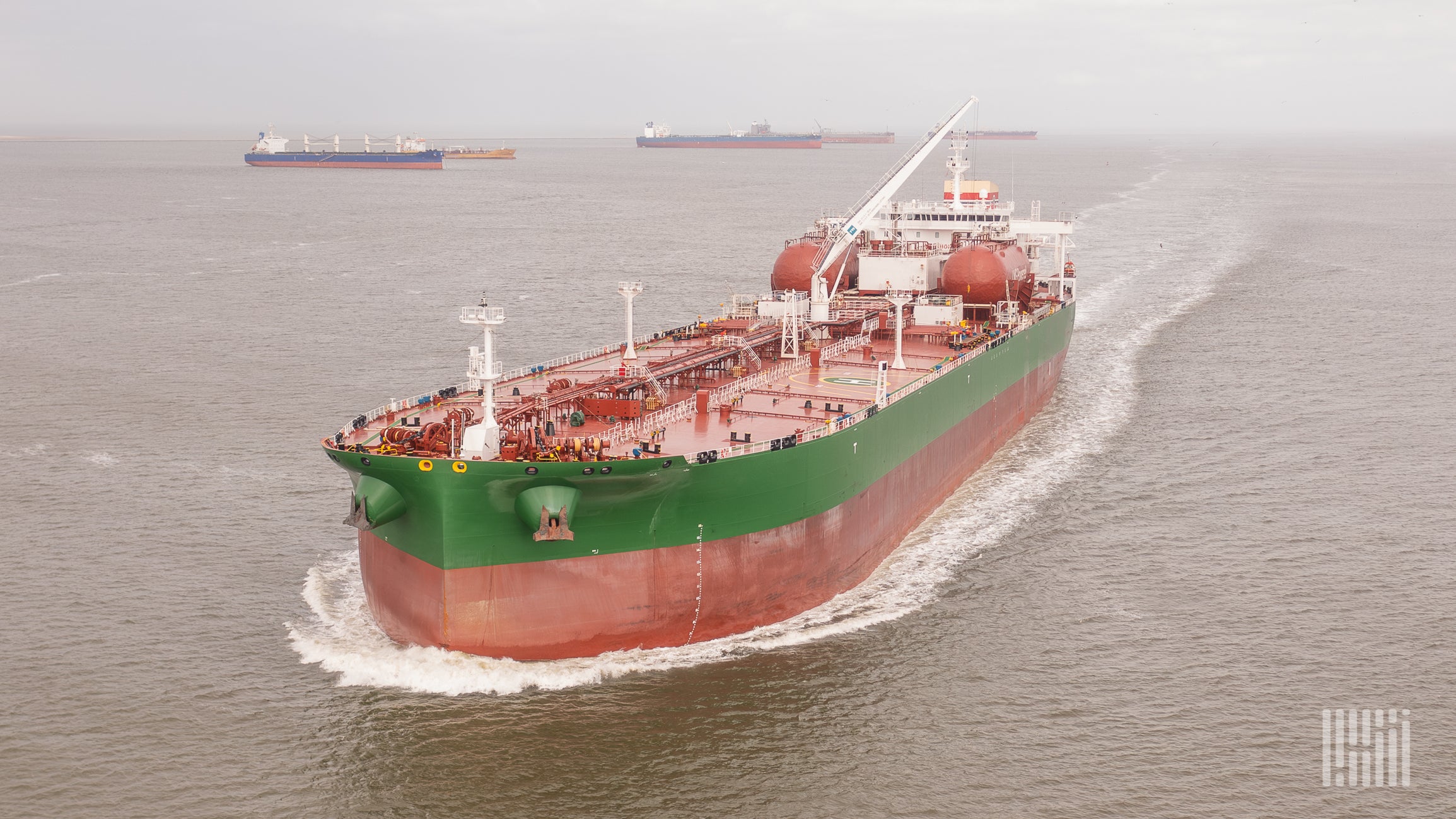
The Strait of Hormuz is a narrow waterway between Iran and Oman. Before the conflict, it carried about one-fifth of the world’s oil supply, plus large amounts of liquefied natural gas (LNG) and other goods, FreightWaves reported. When fighting closed the strait earlier this year, oil prices spiked, shipping costs jumped, and supply chains faced serious delays. Tanker traffic dropped sharply, insurance rates soared, and many ships rerouted around Africa’s Cape of Good Hope, adding weeks and extra fuel costs to journeys.
Key Provisions of the MOU
The 14-point document includes several steps that could quickly affect transportation, FreightWaves noted:
- Immediate ceasefire on all fronts, including Lebanon, and no new military moves during talks.
- Reopening the Strait of Hormuz to commercial traffic. The U.S. will lift its naval blockade. Iran will clear mines and other obstacles. Full pre-war traffic levels should return within 30 days.
- Oil export waivers. The U.S. Treasury will allow Iran to sell crude oil, petrochemicals, and related products right away. This includes banking, insurance, and shipping services.
- Release of frozen funds, around $24 billion or more, and promises of broader sanctions relief if talks succeed.
- A $300 billion economic development plan funded through regional partners.
- Iran will make best efforts for the safe passage of commercial vessels with no charge for 60 days only from the Persian Gulf to the Sea of Oman and vice versa.
These changes target energy flows first. More stable oil supplies should lower fuel prices for trucks, ships, and planes, helping control costs across every link in the supply chain, from factories to warehouses to store shelves.
Timeline and Expected Impact
Signing the MOU on Friday does not end all problems overnight, but it starts a clear timeline, according to FreightWaves:
| Phase | Actions | Expected Effects |
|---|---|---|
| Immediate | Ceasefire; U.S. begins removing blockade; Iran starts clearing strait; Treasury waivers take effect | Fighting stops; oil export waivers in place |
| Within 30 days | Commercial ships move through Hormuz at near-normal levels; tankers return | Insurance premiums likely lower; fuel supply stabilizes |
| Next 60 days | Negotiations on final deal (nuclear program, remaining sanctions, long-term security) | Potential broader sanctions relief; more Iranian oil and trade unlocked |
| Ongoing | Both sides monitored; President Trump warned violations could restart conflict | Deal could collapse if rules broken |
U.S. Strategic Petroleum Reserve at Historic Low
The timing of the MOU could not arrive soon enough, FreightWaves reported. As of the week ending June 12, 2026, the inventory of the U.S. Strategic Petroleum Reserve (SPR) currently stands at approximately 340.25 million barrels, down sharply from recent weeks due to emergency releases tied to the Iran conflict and Strait of Hormuz disruptions. This is the lowest level since 1983. At that time, the Reagan administration was still in the early stages of filling the newly created reserve, established in 1975 after the 1973-74 oil embargo. The SPR has not been this low in over 43 years. Releases in 2026 were partly loans to refiners to stabilize prices during the crisis, with some repayment expected later. The recent U.S.-Iran MOU could reduce the need for further draws if the strait reopens smoothly. Even so, the SPR is at a historically vulnerable point for any new major disruption, like a hurricane season event.
For importers, exporters, and trade policy professionals, the MOU’s immediate ceasefire and strait reopening signal potential relief from elevated shipping costs and fuel prices. However, the 60-day negotiation window and vulnerability of the SPR mean that supply chain stability remains conditional on continued diplomatic progress and enforcement.
Sources: