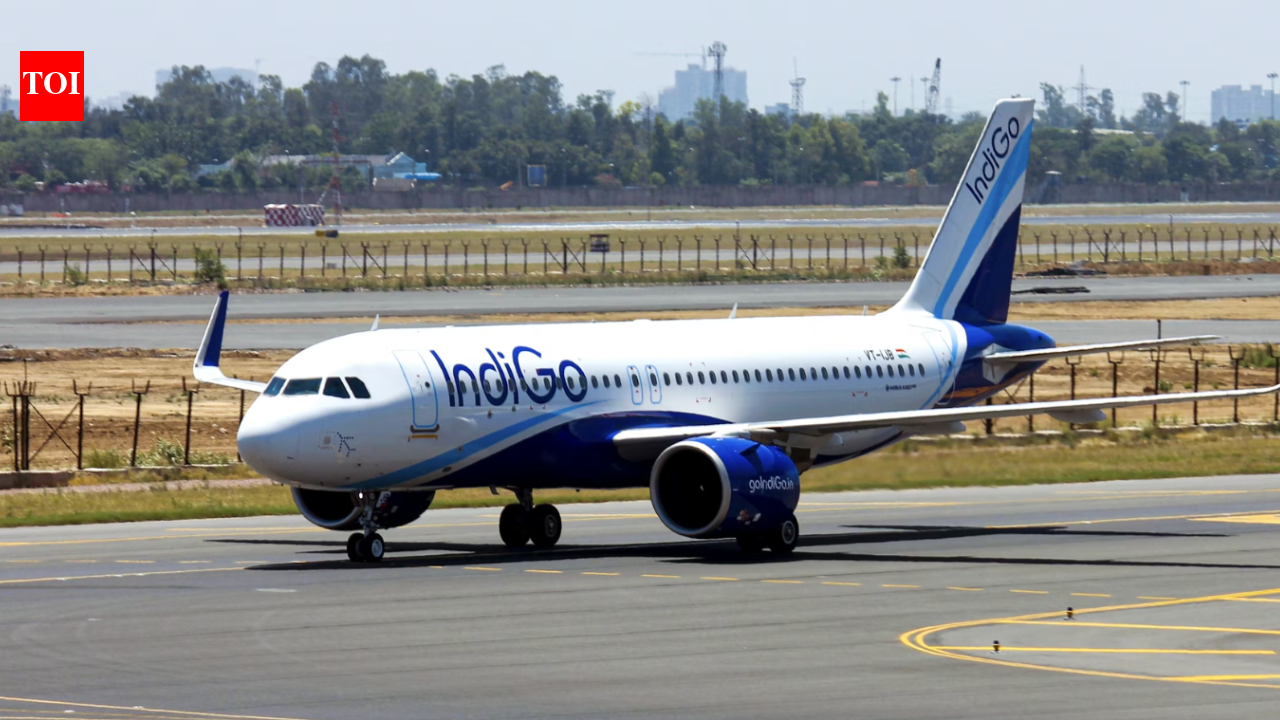
India's largest airline, IndiGo, has announced a temporary suspension of flights to six international destinations, including Hong Kong, Shanghai, and Krabi in Thailand, effective from July 1. This decision comes as the airline faces softer travel demand and rising operating costs.
Context of the Suspension
The suspension, which will last until September 30, is a strategic move to optimize IndiGo's network amid a challenging cost environment. The airline cites traditionally softer demand expected in the upcoming quarter and elevated operating costs as primary reasons for this decision.
"These measured changes are designed to align capacity with current market conditions and demand trends," IndiGo stated.
Affected Routes and Capacity Adjustments
The affected routes include flights to Langkawi, Krabi, Ho Chi Minh City, Hong Kong, Shanghai, and Siem Reap. IndiGo plans to reopen bookings for these routes from October 1, contingent on an improvement in market conditions. Despite these suspensions, IndiGo continues to operate over 1,800 international flights weekly.
| Destination | Suspension Start Date | Expected Resumption |
|---|---|---|
| Langkawi | July 1 | October 1 |
| Krabi | July 1 | October 1 |
| Ho Chi Minh City | July 1 | October 1 |
| Hong Kong | July 1 | October 1 |
| Shanghai | July 1 | October 1 |
| Siem Reap | July 3 | October 1 |
Implications for Shippers and Operators
Shippers and logistics operators should anticipate potential disruptions in air cargo capacity on these routes. It is advisable to explore alternative carriers or routes to mitigate the impact on supply chains. Additionally, monitoring fuel price trends and geopolitical developments will be crucial for future planning.
Watch List
- Fuel Prices: Continued volatility in aviation turbine fuel prices could further impact airline operations.
- Geopolitical Tensions: Developments in the Middle East may influence global energy markets and airline cost structures.
- Demand Fluctuations: Changes in travel demand patterns could affect route viability and capacity planning.