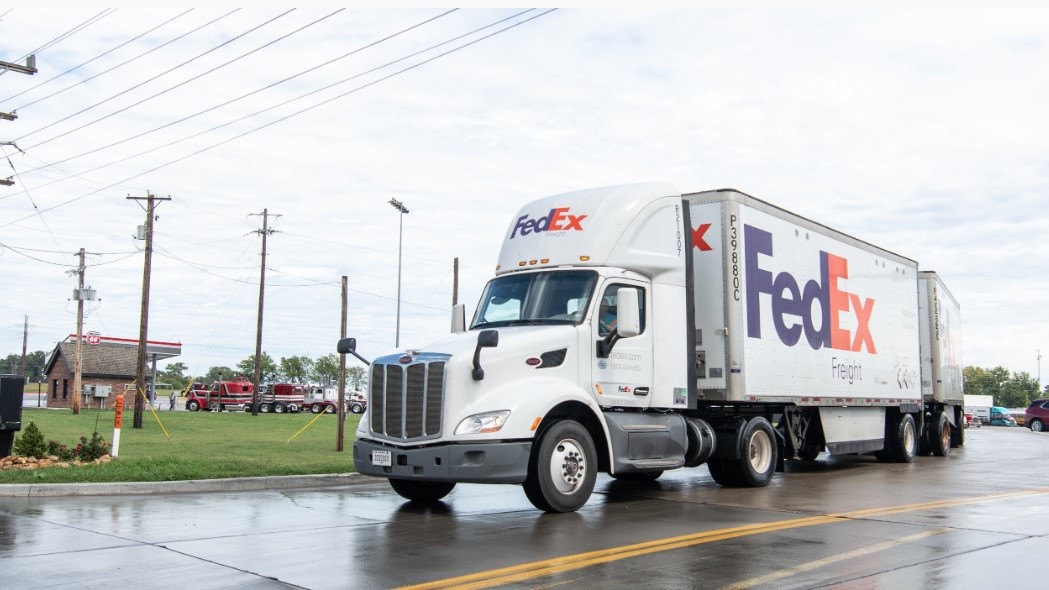
FedEx Freight, the largest less-than-truckload (LTL) carrier in North America, has embarked on a new journey as a standalone company, trading on the New York Stock Exchange under the ticker symbol FDXF. This strategic spinoff from FedEx Corp. is designed to sharpen FedEx Freight's focus on the LTL market, unlocking shareholder value and enhancing operational efficiency.
Strategic Focus and Financial Outlook
The separation allows FedEx Freight to concentrate on its core LTL services, with a forecasted compound annual growth rate of 4% to 6% for revenue and 10% to 12% for adjusted operating income. The company aims to improve its operating margin from 12% to 15% over the near term, despite a 50-basis-point margin headwind from spinoff costs.
"We move forward as an independent company with a sharpened focus and disciplined strategy to build on our competitive advantages," said John Smith, FedEx Freight president and CEO.
Market Impact and Operational Changes
FedEx Freight's transition affects various logistics sectors, particularly impacting LTL shipping lanes across North America. The company has unwound 99% of its bundled-pricing agreements to establish an LTL-specific pricing framework, targeting small- and midsize shippers in verticals like healthcare, grocery, and energy.
| Metric | Current | Target |
|---|---|---|
| Operating Margin | 12% | 15% |
| Revenue Growth | 4% - 6% | 4% - 6% |
| Operating Income Growth | 10% - 12% | 10% - 12% |
Implications for Shippers and Operators
Shippers and logistics operators should anticipate changes in pricing structures and service offerings as FedEx Freight focuses on LTL-specific strategies. The company's dedicated sales force of over 500 reps will be crucial in driving growth and customer engagement.
Watch List
- FedEx Corp.'s planned disposal of its 19.9% stake in FedEx Freight within two years.
- Potential impacts on LTL rates and capacity as FedEx Freight adjusts its market strategies.
- Developments in targeted verticals such as healthcare and energy logistics.
FedEx Freight's standalone journey marks a significant shift in the logistics landscape, with potential ripple effects across the LTL sector and broader supply chain dynamics.