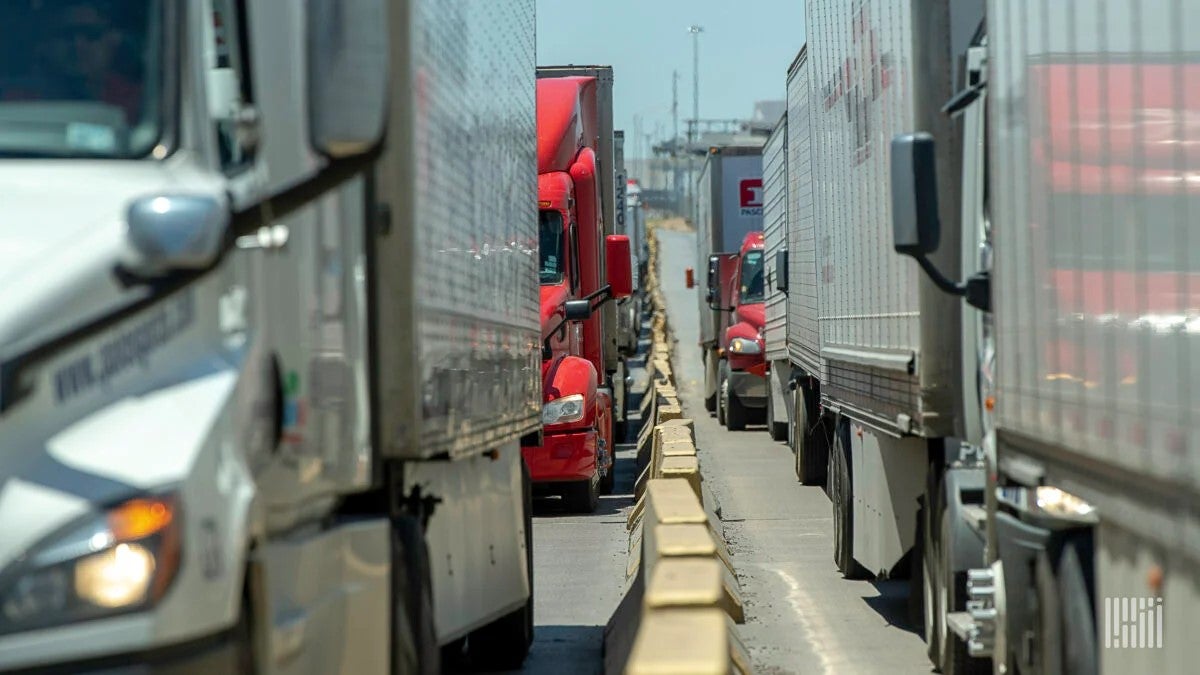
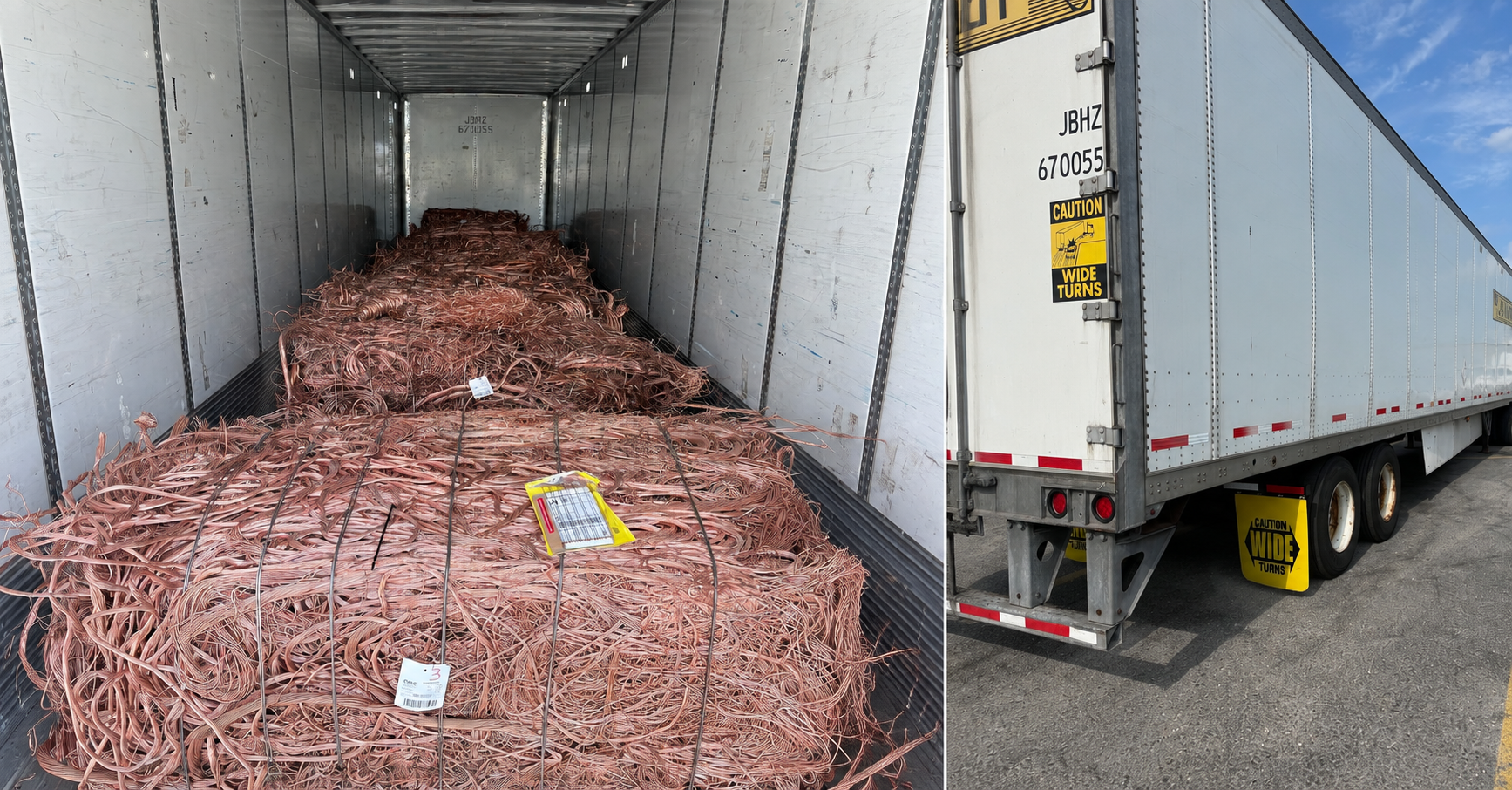
A coordinated cross-border investigation has exposed a significant vulnerability in commercial trucking networks: the use of legitimate supply chains for large-scale drug smuggling. Canadian and U.S. authorities announced the seizure of nearly 1.7 metric tons of illegal drugs—including cocaine, methamphetamine, and opium—valued at over $139 million, according to a release from the Ontario Provincial Police (OPP). The operation, named Project Bay, uncovered a broker-style model where traffickers used established commercial transportation connections to move contraband across the border, often with drivers knowingly transporting the illegal products within legitimate shipments.
Broker-style smuggling network
Windsor Police launched Project Bay in January 2025, with the Canada Border Services Agency (CBSA) joining the following month. Investigators identified a trafficking network with deep ties to the international border. The organization operated a broker-style model within the commercial transportation sector, meaning they acted as intermediaries arranging cross-border drug movements through legitimate trucking assets. Drivers knowingly carried the contraband, often hidden among lawful cargo, according to the release. The U.S. Homeland Security Investigations (HSI) and Drug Enforcement Administration (DEA) assisted with the international aspects, while Toronto Police and Peel Regional Police provided operational support.
Seizures and charges
On June 25, law enforcement executed 18 search warrants across Windsor, Corunna, LaSalle, Brampton, and Kleinburg. Two additional searches occurred in Markham and Caledon on July 14, and two more in Brampton on July 20. The haul included:
- 973 kilograms of suspected cocaine
- 660 kilograms of suspected methamphetamine
- 49 kilograms of suspected opium
- 230 oxycodone tablets
- 17 firearms, including an anti-tank rifle
- Ammunition, brass knuckles, magazines, a baton
- C$80,000 and US$10,000 in cash
- One vehicle, high-end jewelry, 43 cellphones, six laptops
| Drug Type | Amount Seized |
|---|---|
| Cocaine | 973 kg |
| Methamphetamine | 660 kg |
| Opium | 49 kg |
| Oxycodone tablets | 230 units |
Twenty-one individuals face a total of 104 offenses under the Criminal Code and the Controlled Drugs and Substances Act. Police arrested 19; two remain wanted. The OPP Provincial Asset Forfeiture Unit is investigating possible criminal proceeds and will seek forfeiture of property linked to the alleged crimes.
Implications for cross-border trucking operations
For logistics managers and freight forwarders handling cross-border shipments between the U.S. and Canada, this case underscores the imperative of rigorous carrier vetting and compliance. The broker-style model means that even if a 3PL or shipper contracts with a seemingly legitimate broker, that broker may be arranging loads for drivers who are complicit in smuggling. To mitigate risk, operators should:
- Verify carrier credentials thoroughly, including driver history and company safety records.
- Implement random cargo inspections at warehouses and terminals.
- Use tamper-evident seals on trailers and monitor seal integrity throughout transit.
- Conduct background checks on high-risk lanes, especially those near border crossings.
The CBSA’s Southern Ontario region has already seized 5,555 kilograms of illegal drugs and 206 firearms at land ports this year alone, according to the agency’s Regional Director (name not provided in source). These figures indicate that border enforcement is both active and successful, but the scale of this single bust reveals that criminal networks continue to exploit transportation corridors.
“This seizure reflects the scale of criminal activity that crosses borders and impacts communities across Ontario,” said OPP Chief Superintendent Mike Stoddart. He credited cooperation among municipal, provincial, federal, and international partners. “We have significantly disrupted the flow of harmful substances,” he added, noting that substantial profits have been removed from the criminal economy.
Windsor Police Chief Jason Crowley stated that the investigation began from information obtained by his service and later expanded across multiple Ontario jurisdictions. He credited law enforcement partners with dismantling a network that moved dangerous drugs and firearms into communities across the province.
Watch list
- The investigation remains active; further arrests or seizures may occur as the network’s full scope is mapped.
- Logistics operators should monitor CBSA advisories for emerging trends in smuggling methods.
- Increased scrutiny on cross-border trucking brokers is likely, potentially leading to new compliance requirements from transport regulators.
Sources: