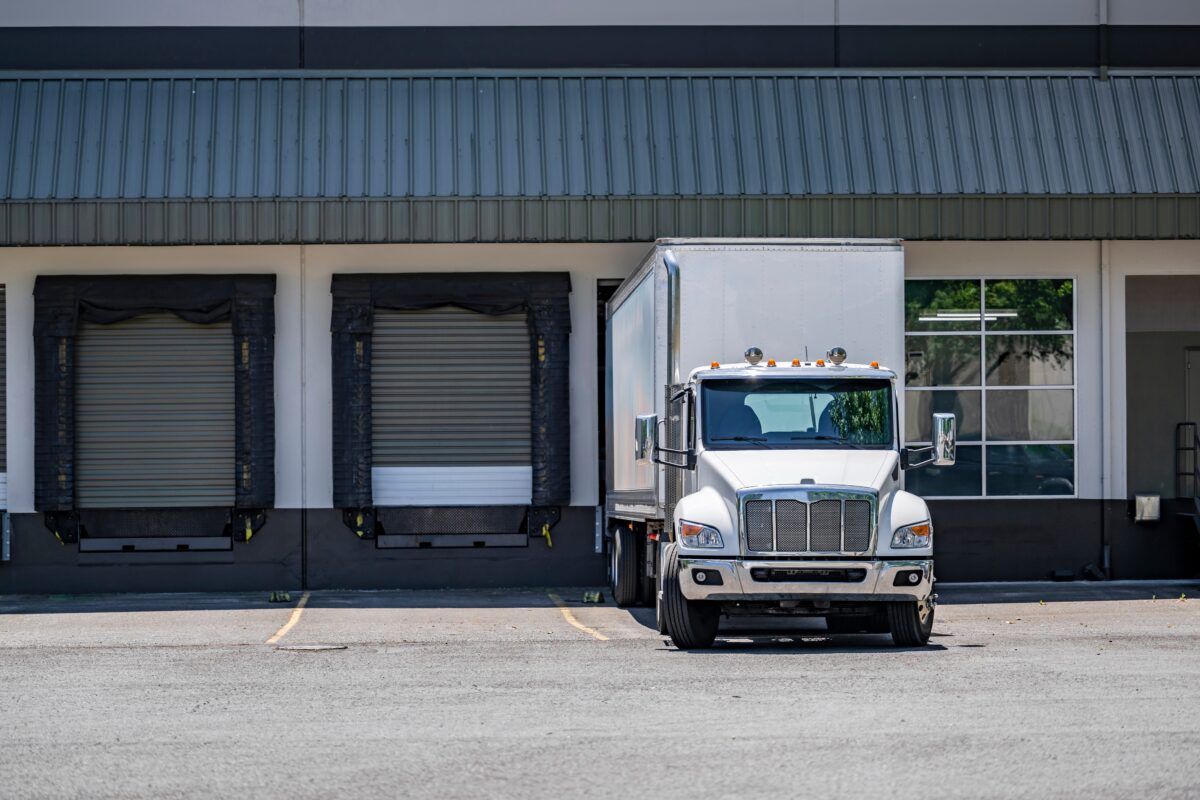
A shipment of roughly 10,800 bottles of Noble Oak Bourbon, valued at about $500,000, was stolen from a Philadelphia-area warehouse on June 5 after suspects allegedly posed as authorized carrier representatives to pick up the freight, according to company officials.
Theft Details and Method
The theft occurred at a warehouse operated by American Supply, where the shipment of approximately 1,800 cases of bourbon was scheduled for pickup. According to public statements from Apogee 21 Holdings, the parent company of Noble Oak Bourbon, the individuals arrived with documentation and shipment information that appeared legitimate, allowing them to receive the freight before leaving the facility.
Unlike many traditional cargo thefts that involve breaking into trailers or stealing unattended equipment, this shipment was reportedly released through what appeared to be the normal pickup process. According to public statements by Apogee 21 Holdings CEO Mark Newman, the suspects allegedly presented a driver’s license and a purchase order number that appeared valid. The information was reportedly verified through a logistics provider before warehouse personnel released the shipment. The company later determined the pickup was fraudulent.
Industry Context and FBI Warnings
The case reflects a method of cargo theft that has become increasingly common across the transportation industry. Rather than relying on force, organized theft groups are increasingly using deception to position themselves as legitimate carriers before freight leaves the shipping facility.
Recent warnings from the FBI have highlighted an increase in cargo theft schemes involving carrier impersonation, compromised business accounts, phishing emails, fraudulent load postings and shipment diversion. In many cases, criminals obtain legitimate shipment information before arriving at a warehouse, allowing them to appear authorized to receive the freight.
| Key Aspect | Details |
|---|---|
| Product | Noble Oak Bourbon (10,800 bottles, ~1,800 cases) |
| Value | Approximately $500,000 |
| Date of Theft | June 5 |
| Location | Philadelphia-area warehouse operated by American Supply |
| Method | Impersonation of authorized carrier using valid documentation |
| Company Affected | Apogee 21 Holdings (parent of Noble Oak Bourbon) |
| CEO Statement | Mark Newman reported suspects presented driver's license and PO number |
| Current Status | Investigation ongoing |
Open Questions and Investigation
Investigators have not publicly stated whether the Noble Oak Bourbon theft is connected to those broader trends or whether the suspects are linked to other cargo theft investigations. Several questions remain unanswered: investigators have not disclosed how the suspects obtained the shipment information, whether the load was specifically targeted in advance, or whether additional individuals may have been involved in planning the theft. Those details could provide insight into how organized cargo theft groups continue to exploit weaknesses in freight verification processes.
Implications for the Industry
For transportation companies, the incident serves as another reminder that verifying a truck, driver and carrier extends beyond checking paperwork alone. Criminal organizations continue to adapt their methods by combining legitimate shipment information with impersonation tactics designed to blend into normal freight operations. The investigation remains ongoing.
FreightWaves contacted Apogee 21 Holdings for additional information regarding the theft and whether the company has made any changes to its freight verification procedures following the incident. The company did not immediately respond to a request for comment. FreightWaves also contacted the FBI’s Philadelphia Field Office seeking additional information regarding the investigation, including whether investigators have identified any emerging cargo theft trends related to the case. The bureau did not immediately respond to a request for comment.
This incident underscores the need for logistics operators to employ multi-factor verification processes beyond paper documentation, such as real-time carrier database checks, driver identity verification through biometrics or unique codes, and cross-referencing shipment details with the shipper's records. As impersonation schemes become more sophisticated, the industry must adapt to stay ahead of organized theft groups.
Sources: