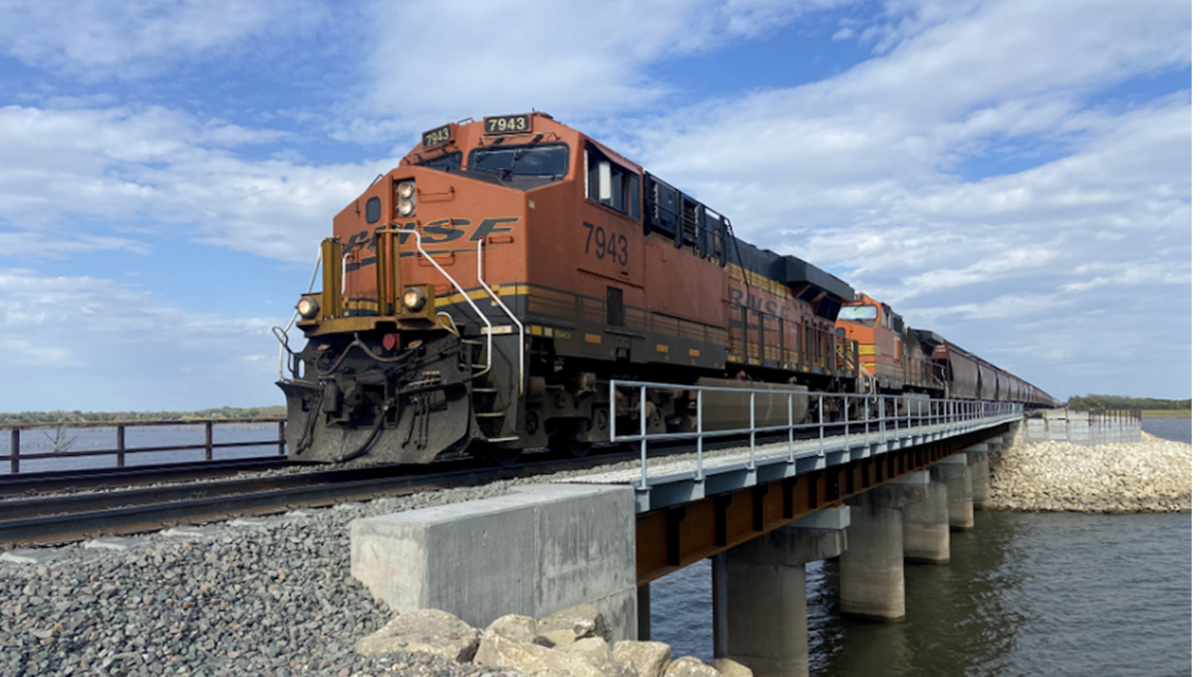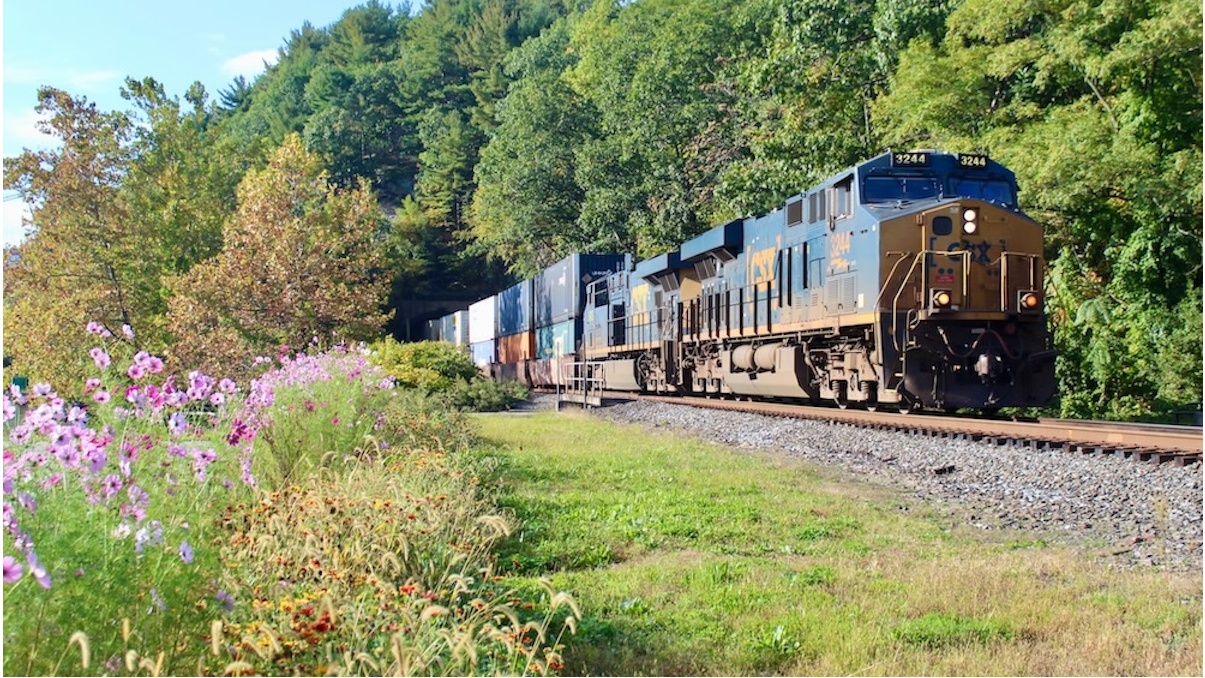
Operational impact: Average intermodal train speeds on the four largest U.S. Class I railroads — BNSF, CSX, Norfolk Southern (NS), and Union Pacific (UP) — have fallen to multi-year lows after a volume surge since Memorial Day, according to independent analyst Rick Paterson’s June 26 State of the Rails report, as reported by FreightWaves. The slowdown is driven by shippers turning to rail amid high fuel prices and spikes in trucking rates.
Volume Growth and Speed Decline
Intermodal volume growth for the second quarter and the week ending June 21 is significant across all four carriers, FreightWaves reported. The following table summarizes the data from Paterson’s analysis based on last week’s traffic reports:
| Railroad | Q2 Volume Growth | Week Ending June 21 Volume Growth | Current Train Speed Status |
|---|---|---|---|
| BNSF (NYSE: BRK-B) | +9.5% | +15% | 10-month low |
| CSX (NASDAQ: CSX) | +8.3% | +14% | 7-year low |
| Norfolk Southern (NYSE: NSC) | +5.1% | +12% | Within 2% of 20-month low |
| Union Pacific (NYSE: UNP) | +3.3% | +13% | 10-month low |
“None of this should be surprising as volumes are the enemy of speed. We obviously want the volumes, and the trick is to limit the damage to speed and on-time performance so that the customer experience is least impaired,” Paterson wrote in his report, according to FreightWaves.
Historical Context and Crew Constraints
BNSF previously faced a similar surge in domestic intermodal volume in October and November 2023 and deployed a “bend-but-don’t-break” strategy, which resulted in a quick and successful rebound, Paterson noted. The broader industry now faces the same test. “The degree to which it is successful will determine how much of this volume windfall is kept by the rails, as opposed to flowing back to truck once truck versus rail rates ultimately stabilize,” he said, as quoted by FreightWaves. “It’s premature celebrating 10% volume growth now, for example, if we give back 9% of it next year.”
Crew availability is a concern. Norfolk Southern has said it is short of crews in some areas and is hiring to boost train and engine ranks at about half of its terminals, according to FreightWaves. CSX is currently hiring conductors at 40 locations, based on notices on its website.
Paterson cautioned that the intermodal slowdown is unlikely to cause broader degradation in train speeds unless higher unplanned intermodal recrews siphon off crew capacity needed by the railroads’ more complex merchandise networks.
Contrast with Canadian Railroads
While U.S. carriers struggle, the two major Canadian railroads are moving in the opposite direction. Quarterly intermodal volume is down 4% at Canadian National (NYSE: CNI) and 0.6% at CPKC (NYSE: CP), and train speeds are up on both railways, FreightWaves reported.
Shipper Implications
For shippers using intermodal rail, the current slowdown is a challenge to on-time performance and customer experience. The industry’s ability to quickly adjust resources — crews, locomotives, capacity — will determine whether railroads retain the new volume or lose it back to trucks once truck rates settle. The hiring efforts at NS and CSX signal that carriers are aware of the need to add labor to handle the surge. Shippers should monitor service metrics closely and consider contingency plans if speed degradation worsens on key lanes.
Sources: