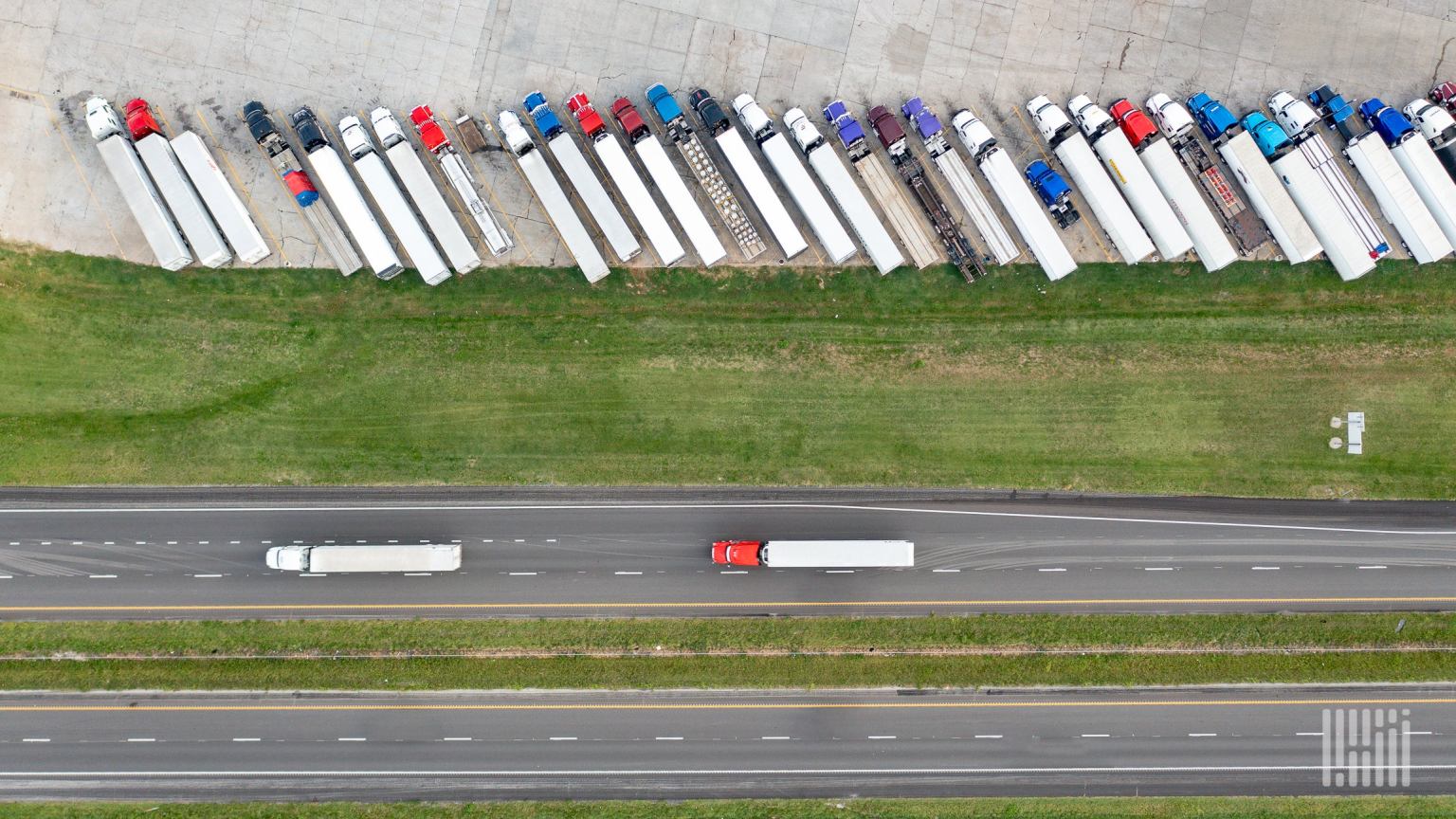
Fleet operators across North America should prepare for intensified roadside enforcement from July 12 to July 18, 2026, as the Commercial Vehicle Safety Alliance conducts its annual Operation Safe Driver Week. According to CVSA, the week-long campaign focuses on reckless, careless, or dangerous driving — the same theme as the previous two years — and increases the number of officers monitoring commercial vehicle behavior on highways in the United States, Canada, and Mexico. Any citation issued during the week becomes a permanent part of a driver's record and affects CSA scores, insurance rates, and future inspection exposure long after the event ends.
What the Data Shows from Last Year's Campaign
CVSA announced the 2026 dates and focus on April 30. The official area of emphasis is reckless, careless, or dangerous driving for the third consecutive year. However, enforcement statistics from the 2025 campaign reveal that officers rarely write tickets under the 'reckless driving' category itself. According to CVSA data, during 2025 Operation Safe Driver Week, officers in the U.S. and Canada stopped 8,739 vehicles and issued 2,504 citations and 3,575 warnings. The reckless and careless driving category produced only 20 citations and 53 warnings across the entire continent over seven days.
| Infraction Type | Citations Issued | Warnings Issued |
|---|---|---|
| Speeding | 917 | 1,249 |
| Texting / handheld device use | 79 | 107 |
| Failure to wear seat belt | 248 | 204 |
| Reckless/careless driving (official focus) | 20 | 53 |
As the table shows, speeding was the top infraction by a wide margin, accounting for 917 of all citations and 1,249 warnings. Distracted driving — defined as texting or handheld device use — resulted in 79 citations and 107 warnings, while failure to wear a seat belt produced 248 citations and 204 warnings. None of these fall under the 'reckless driving' line in CVSA's report, but in practice they represent the behaviors officers target during the campaign.
The Behaviors Officers Will Enforce
CVSA has named a full list of behaviors for enforcement during the week: speeding, distracted driving, following too closely, improper or unsafe lane changes, failure to wear a seat belt, fatigued or drowsy driving, impaired driving, and disregarding traffic control signals. According to the source, "the reckless, careless, and dangerous theme is the banner. Speeding, distraction, following too close, and no seat belt are the tickets." The agency returns to these specific behaviors because of their link to crash data: speeding was a factor in 11,288 U.S. traffic deaths in 2024 (about 29% of all roadway fatalities); distracted driving killed 3,208 people that year; and nearly half of passenger vehicle occupants killed in 2024 were not wearing seat belts. The U.S. recorded 36,640 traffic fatalities in 2025, according to the article.
Implications for Fleet Operators and Shippers
For logistics managers and freight forwarders relying on commercial trucking, the operational impact of Operation Safe Driver Week is twofold: immediate and lasting. During the week, heightened enforcement can cause delays as more vehicles are pulled over and inspected. More critically, every citation issued stays on a driver's record and contributes to CSA (Compliance, Safety, Accountability) scores, which carriers and shippers use to assess safety performance. Higher CSA scores can lead to higher insurance premiums, reduced access to loads from brokers, and increased likelihood of future inspections. As the article notes, "the operators who come out of Safe Driver Week clean are not the ones who drove carefully for seven days. They are the ones who drive that way all the time."
Recommended Actions for the Week and Beyond
Fleet operators should ensure drivers understand that the behaviors generating citations are everyday violations — speeding, distraction, seat belt non-use — not just the rare reckless driving charge. Training and reinforcement of safe driving habits throughout the year, not only during the enforcement week, is the most effective hedge against citation risk. Shippers contracting with carriers should verify that their carriers have robust safety programs and low CSA scores, as enforcement weeks like this one can expose weak spots in a carrier's safety culture.
Watch List
- CVSA may release real-time enforcement data during the week; carriers should monitor their own drivers' inspection reports.
- States and provinces may conduct additional roadside inspections beyond the national campaign.
- Future CVSA focus weeks (Brake Safety Week, Roadcheck) may follow similar patterns; carriers should prepare year-round for a series of inspection blitzes.
Sources: