Kevin Douglas Padgett, 48, pleaded guilty to money laundering on June 30, 2026, for his role in a scheme to sell nearly 6.5 million counterfeit U.S. postage stamps imported from China, according to the U.S. Attorney’s Office for the Middle District of Alabama. The scheme generated at least $1.7 million in proceeds and involved a co-conspirator, John Patrick Best, 55, who made his initial federal court appearance on July 22, 2026.
The Counterfeit Stamp Scheme
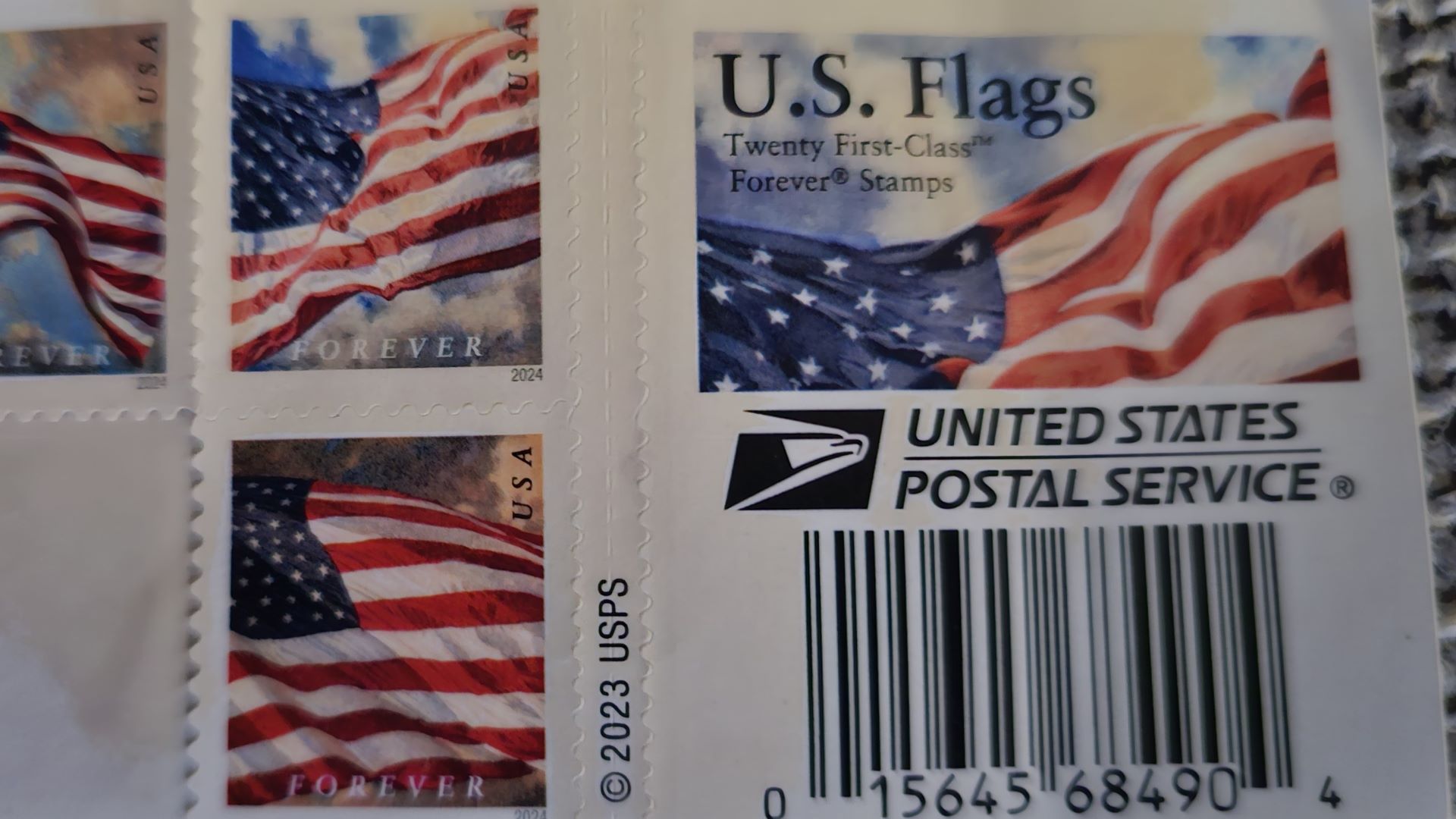
According to the indictment and court records, Best and Padgett conspired in January 2024 to purchase counterfeit U.S. postage stamps from suppliers in China and resell them in the United States. The defendants formed a shipping supply company in Georgia and opened bank accounts in the company’s name. They purchased a product listed as “Patriotic Series American Independence Day Doodle Stickers” and resold them as genuine U.S. flag Forever stamps.
Best allegedly used his position with a media company to advertise and sell the counterfeit stamps through an online vendor marketplace under the new business name. Padgett then packaged and mailed the counterfeit stamps from multiple locations, including post offices in Smiths Station and Phenix City, Alabama. The government alleges that the proceeds were derived from the sale of nearly 6.5 million counterfeit stamps, with an additional 544,596 stamps seized before distribution.
Compliance and Import Fraud Implications
This case underscores the persistent threat of counterfeit goods originating from China and entering the U.S. supply chain via fraudulent customs declarations. Trade compliance professionals should be aware that counterfeit postage stamps are classified as goods subject to U.S. Customs and Border Protection (CBP) enforcement and can be seized under intellectual property rights (IPR) regulations. The scheme involved mislabeling the product as stickers to evade detection — a red flag for customs brokers reviewing import documentation.
Using counterfeit stamps deprives the U.S. Postal Service, which is losing money, of much needed revenue and highlights how China is the source for many types of bogus goods.
The defendants allegedly moved proceeds through various bank accounts to disguise the source and ownership of the money, a classic trade-based money laundering technique. This should prompt compliance officers to review their anti-money laundering (AML) screening processes for transactions involving postage or low-value merchandise from high-risk jurisdictions.
Penalties and Enforcement Trends
The charges against both men carry a potential maximum sentence of up to 20 years in prison, along with substantial monetary penalties and restitution. This follows a similar case earlier in July 2026, in which a Los Angeles-area woman was sentenced to 30 months in prison and fined for using counterfeit postage to ship tens of millions of parcels from China, causing more than $150 million in losses to the USPS.
| Case | Defendant(s) | Counterfeit Stamps | Revenue/Losses | Sentence/Charges |
|---|---|---|---|---|
| Alabama (2026) | Kevin Douglas Padgett, John Patrick Best | 6.5M sold + 544,596 seized | $1.7M proceeds | Up to 20 years (pending) |
| Los Angeles (2026) | Unnamed woman (sentenced) | Tens of millions | $150M+ losses | 30 months prison + fine |
What Trade Compliance Teams Should Watch
The convergence of counterfeit goods, import misclassification, and money laundering makes this a multi-jurisdictional enforcement priority. Companies involved in the importation of paper products, stickers, or postage-related items should:
- Verify supplier legitimacy and origin, especially for shipments from China.
- Ensure HS code declarations accurately reflect the product — mislabeled “stickers” may actually be counterfeit stamps.
- Monitor OFAC and BIS screening lists for entities tied to counterfeit goods.
- Implement enhanced AML review for wire payments to suppliers of low-value printed products.
The case was investigated by the U.S. Postal Inspection Service and the U.S. Attorney’s Office for the Middle District of Alabama. Compliance officers should treat this as a warning that enforcement against counterfeit postal goods is intensifying.
Sources: