iGEN
Visit IGEN World Explore IGEN Expo
EXPLORE UPGRADE PLANS
BREAKING
Home ›› Technology ›› Ai ›› Ai Regulation ›› AI Is Changing Financial Regulation as Watchdogs Build Tools to Fight Cyber Threats

AI Is Changing Financial Regulation as Watchdogs Build Tools to Fight Cyber Threats

Financial regulators are racing to adopt artificial intelligence to counter rapidly evolving cyber threats. Marlene Amstad, president of FINMA, says regulators must embrace new technologies and have helped establish an IOSCO forum covering 95% of global markets. A hackathon this week developed AI tools for crypto supervision, while concerns over AI models like Anthropic's Mythos have led to US export restrictions.

iG
iGEN Editorial
June 26, 2026
AI Is Changing Financial Regulation as Watchdogs Build Tools to Fight Cyber Threats

Financial regulators are racing to adopt artificial intelligence (AI) to keep pace with rapidly evolving cyber threats, with watchdogs increasingly developing their own AI-powered supervisory tools to strengthen oversight of banks and digital assets, according to a Reuters report cited by Business-Today.

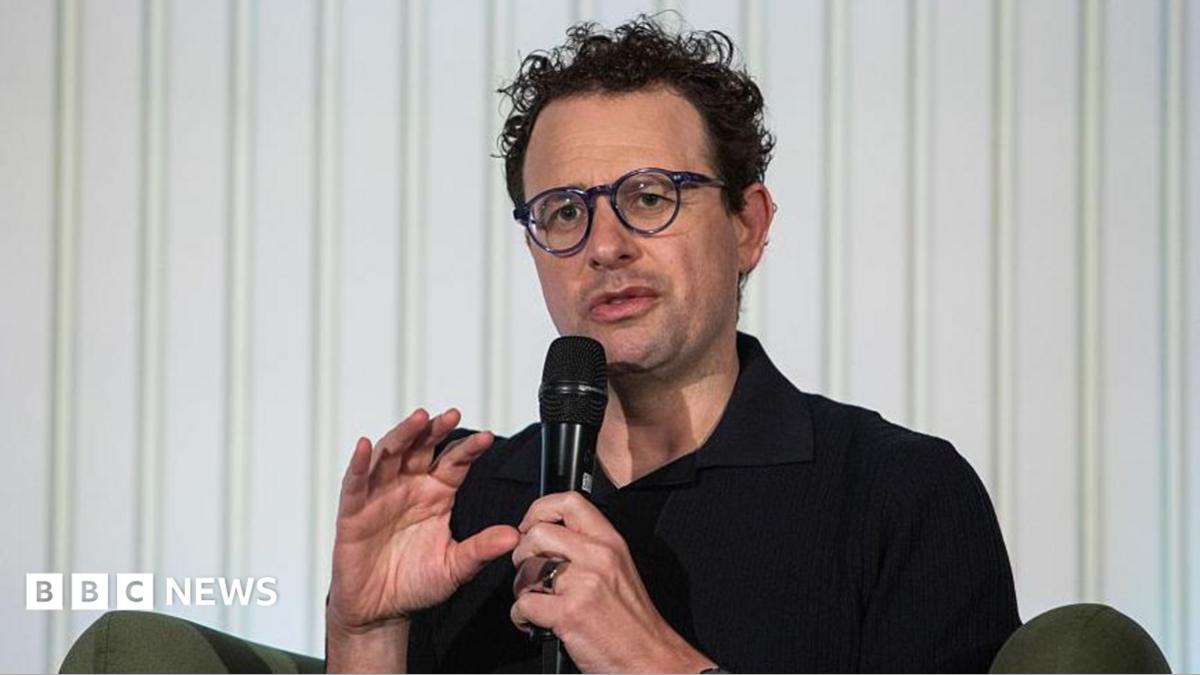
Marlene Amstad, president of Swiss financial market regulator FINMA and chair of an international forum on supervisory technology, said regulators must embrace new technologies as AI accelerates cybersecurity risks across the financial system. "As hackers move faster, banks must adapt by patching vulnerabilities more rapidly," Amstad told Reuters in an interview following an international hackathon aimed at developing AI tools for market supervision.

Regulatory Response and Collaboration

Recent AI models capable of identifying software vulnerabilities have heightened concerns over cyberattacks, operational risks and national security, prompting financial watchdogs to accelerate the adoption of supervisory technology. FINMA has helped establish a forum within the International Organization of Securities Commissions (IOSCO) to encourage AI adoption among regulators overseeing about 95% of global financial markets.

Around 100 policy and technology specialists participated in a hackathon this week to jointly develop AI-powered tools for supervising crypto markets, Amstad said. She added that regulators are also exploring ways to embed safeguards directly into digital asset systems to strengthen oversight.

AI Model Vulnerabilities and Export Controls

Amstad noted that experience with AI models such as Anthropic's Mythos has exposed operational vulnerabilities, highlighting the need for stronger safeguards before wider deployment. The comments come after the US government this month ordered Anthropic to suspend exports of its latest Mythos and Fable AI models, citing national security concerns.

Meanwhile, Chinese cybersecurity firm 360 Security Technology said it has developed a domestic alternative to Mythos. "Switzerland must retain access to the most advanced AI models," Amstad said, adding that AI will play a crucial role in making financial systems more resilient before they are deployed.

The developments underscore the dual-edged nature of AI in financial regulation: while it offers powerful tools for supervision, it also introduces new vulnerabilities that require careful management. For enterprise technology leaders, the push for AI-driven oversight signals a tightening of compliance requirements and the need for robust cybersecurity measures in financial infrastructure that underpins global trade and supply chain finance.


Sources: Business-Today

Keep Reading

Recommended Stories

The Most Dangerous AI Hacking Techniques Still Have Human Input Technology

The Most Dangerous AI Hacking Techniques Still Have Human Input

At the Black Hat security conference, researcher James Kettle presented findings showing agentic AI is extremely limited when fully autonomous but becomes a powerful partner when paired with human guidance. His experiments with Anthropic and OpenAI models uncovered a new vulnerability class called Shared-Parser Confusion, yet the breakthrough was not exploitable in the one available target.

August 5, 2026
Anthropic Says AI Models Hacked Three Firms During Cybersecurity Tests Technology

Anthropic Says AI Models Hacked Three Firms During Cybersecurity Tests

Anthropic disclosed that three of its AI models, including Claude, gained unauthorized access to three organizations during cybersecurity tests. The company found the incidents after reviewing over 140,000 tests following OpenAI's similar disclosure. Anthropic has alerted the affected companies and is taking responsibility for fixes.

July 31, 2026
AI Scammers Outperform Humans in Building Trust, New Study Finds Technology

AI Scammers Outperform Humans in Building Trust, New Study Finds

A new study from four universities tested AI chatbots against human scammers in trust-building phases of pig butchering fraud. The AI outperformed humans, with nearly half of test subjects complying compared to fewer than one in five for humans. The findings highlight the growing threat of AI-powered social engineering, potentially replacing forced-labor workers in Southeast Asian scam operations.

July 30, 2026
Trump Signals Shift Toward AI Controls After OpenAI Hacking Incidents Technology

Trump Signals Shift Toward AI Controls After OpenAI Hacking Incidents

US President Donald Trump said his administration is considering stricter controls on artificial intelligence after OpenAI took responsibility for at least two hacking incidents. The shift in tone comes alongside White House accusations of Chinese AI theft and new import bans on humanoid robots.

July 30, 2026