Shares in major chip firms fell sharply in the US and Asia as a sell-off in artificial intelligence-related stocks deepened, according to BBC Business. The slump raises fresh questions for enterprise technology buyers about the return on massive AI investments.
Market Sell-off Deepens
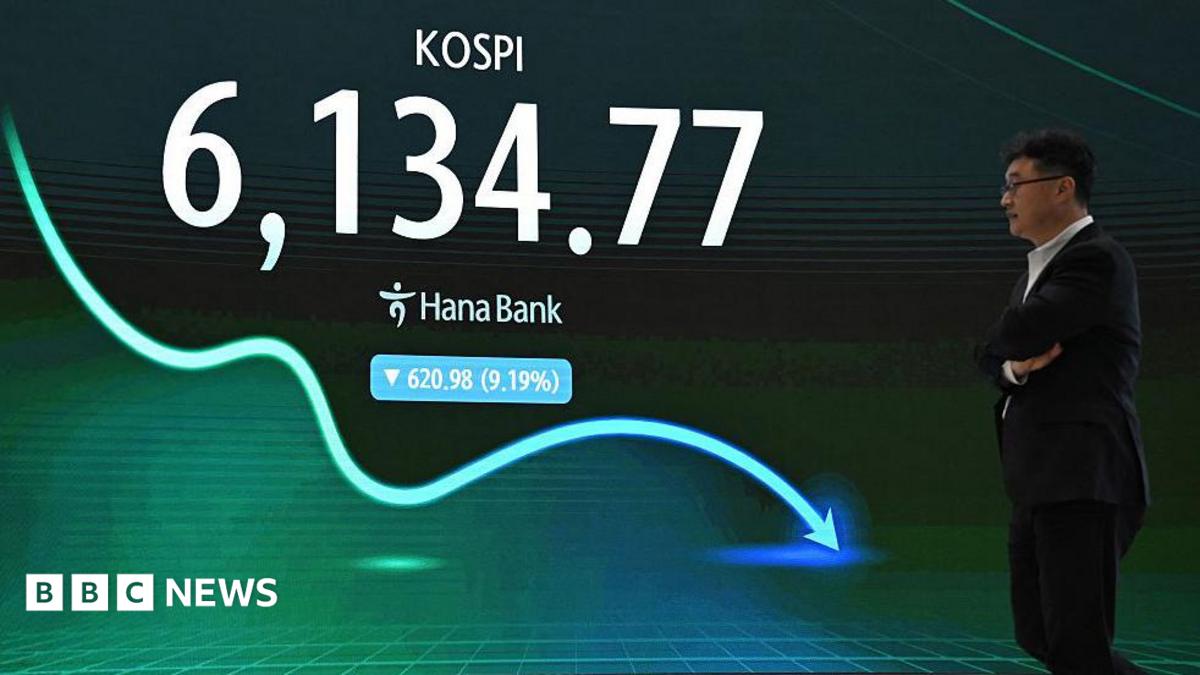
Trading on South Korea's benchmark Kospi index was paused temporarily on Tuesday morning after sliding by 8%. After the 20-minute halt was lifted, the index fell further to trade around 10% lower. The slump was led by technology firms, with Samsung Electronics and SK Hynix both falling by more than 10%.
In the US, Nvidia fell by 5% in New York on Monday, losing its position as the world's most valuable listed company to Apple. Japan's Nikkei 225, also dominated by tech companies, was almost 4.5% lower on Tuesday morning.
South Korea's Circuit Breakers
The volatility has been particularly acute in South Korea. The tech-heavy Kospi has been halted eight times so far this year under a stock market mechanism known as a circuit breaker, which is designed to calm panic selling. According to the BBC, the index had more than doubled from the start of the year to mid-June but has since lost around a third of its value. In recent months, stock market trading has been especially volatile in South Korea as it has attracted large numbers of retail investors.
On Monday, US-listed shares in SK Hynix fell by 7.5% to well below the $149 offer price when it made a record-breaking debut on the Nasdaq on 9 July.
| Index / Stock | Decline |
|---|---|
| Kospi | ~10% |
| Samsung Electronics | >10% |
| SK Hynix | >10% |
| Nvidia | 5% |
| Nikkei 225 | ~4.5% |
Nvidia and the AI Profitability Question
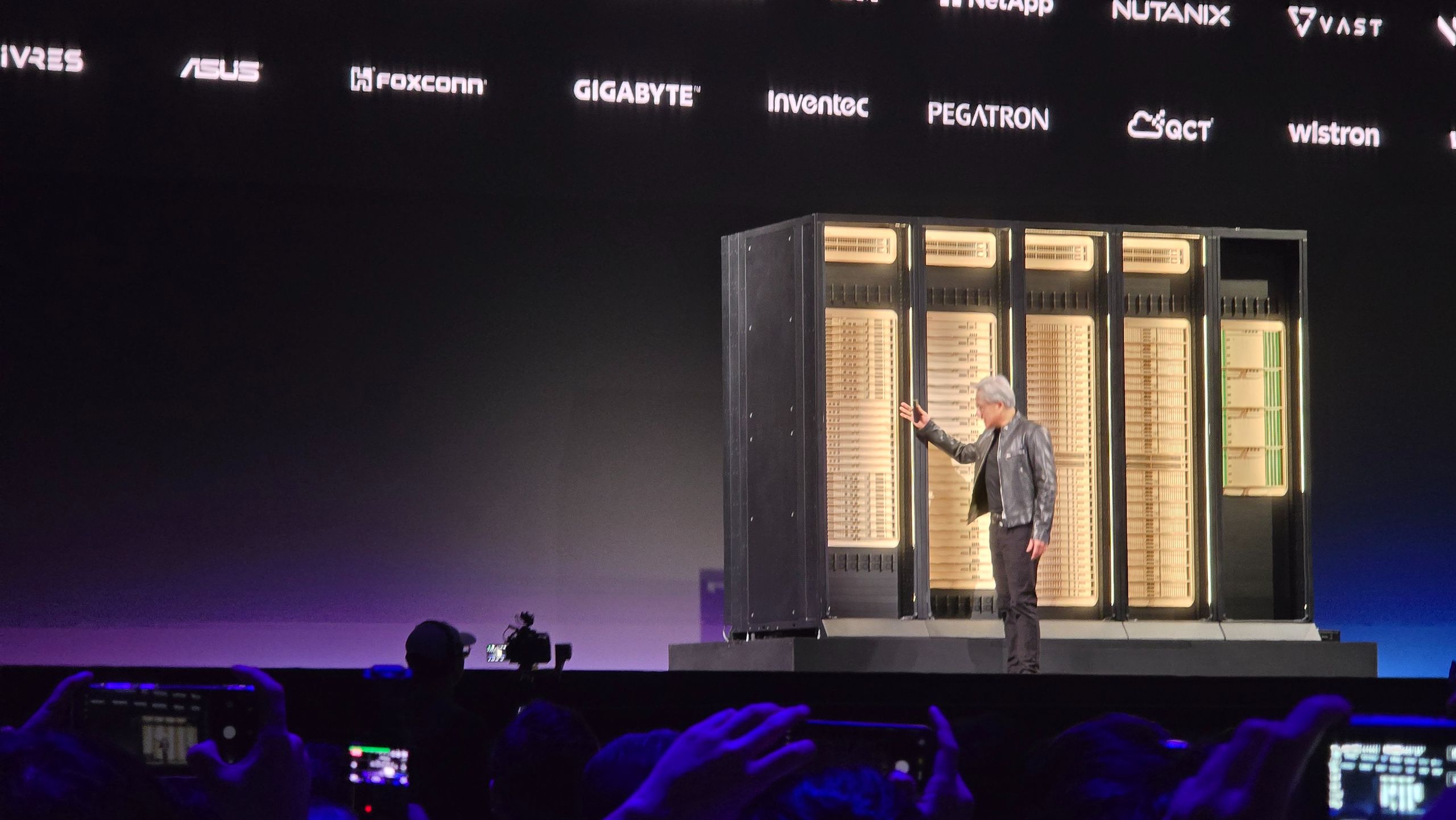
Nvidia shares fell on Monday after the Wall Street Journal reported that it is in talks to provide around $250bn for OpenAI as part of a massive data-centre project. The BBC has contacted Nvidia and OpenAI for comment.
The decline allowed Apple to overtake Nvidia as the world's most valuable company after the iPhone maker rose by about 25% this year.
As governments and companies spend hundreds of billions of dollars on developing AI capabilities, some analysts have questioned whether the technology can become profitable enough to recoup such huge investments. This uncertainty is directly relevant to enterprise technology leaders who must justify large-scale AI deployments in their own supply chains and operations.
Implications for Enterprise Technology Decisions
For CTOs, chief digital officers, and technology procurement leaders, the market jitters serve as a cautionary signal. The same AI infrastructure that powers logistics optimisation, trade documentation automation, and customs technology relies on the chip ecosystem now under pressure. Volatility in semiconductor stocks can affect the cost and availability of AI hardware for enterprise use. Moreover, the analyst scepticism about AI profitability echoes internal ROI debates within enterprises. Decision-makers should monitor these trends when planning multi-year digital transformation investments in supply chain AI and trade finance platforms.
The BBC noted that some analysts doubt AI can generate returns commensurate with the hundreds of billions being poured into it. For enterprise buyers, this reinforces the need for rigorous validation of AI models, transparent total cost of ownership, and phased deployments that tie technology spending to measurable business outcomes.
Sources: