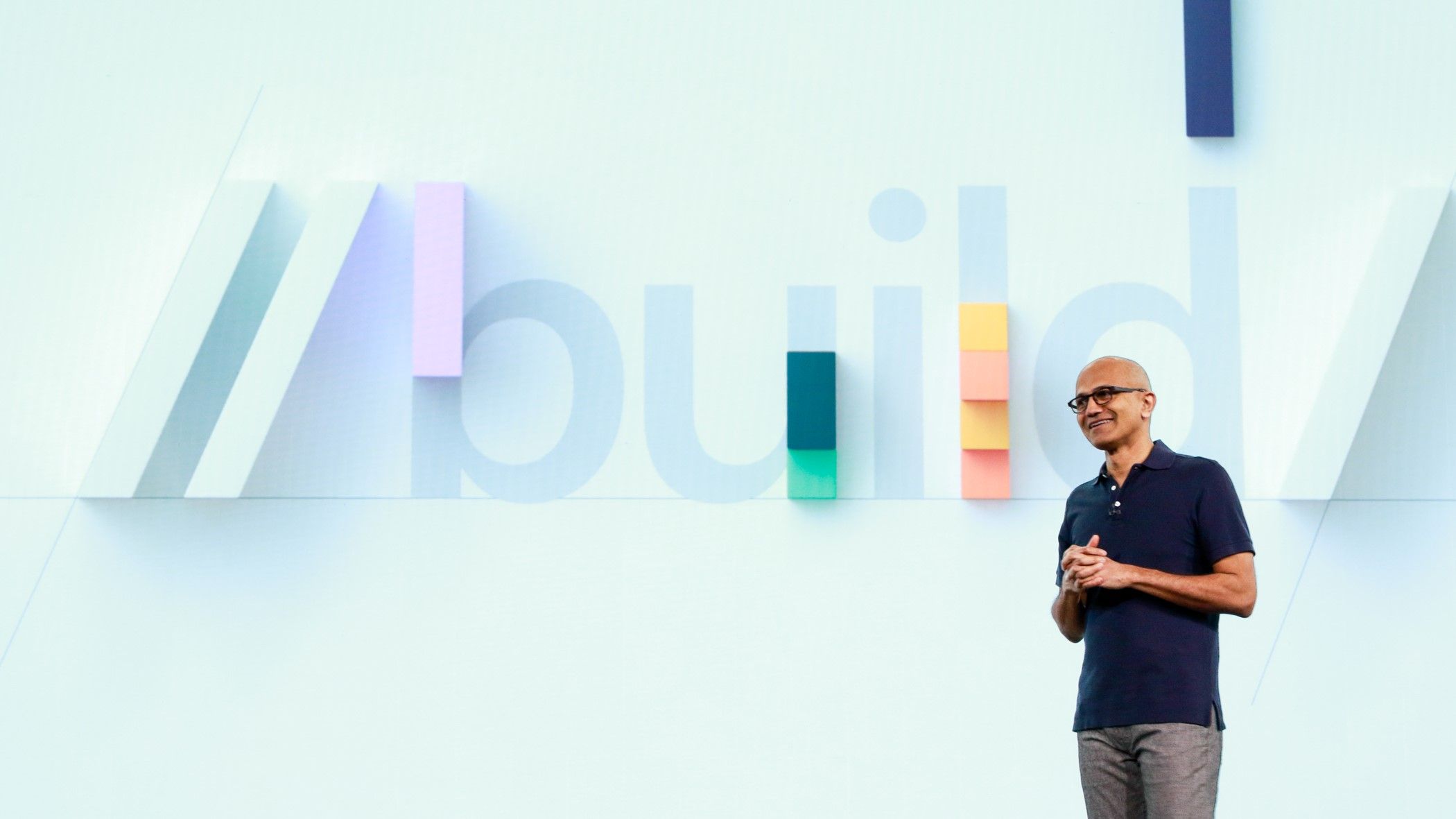
Microsoft's aggressive push into artificial intelligence is beginning to show stronger returns, with the company reporting a sharp rise in cloud revenue and a growing base of paid AI users in its latest quarterly results. The results exceeded Wall Street expectations, addressing investor concerns over whether heavy AI spending can translate into real financial gains.
Cloud Revenue Surges Past Milestones
For the April-June quarter, Microsoft posted revenue of $90 billion, or $4.81 per share, an 18% increase year-over-year. This handily beat the FactSet Research consensus of $4.24 per share on revenue of $87.62 billion. The company's cloud business remained a key growth driver, with Microsoft Cloud revenue reaching $59.3 billion during the quarter, up 27% year-on-year. Revenue from Azure and other cloud services rose 43%, reflecting continued demand for Microsoft's cloud infrastructure, AI applications, and services.
For the full fiscal year ending in June, Microsoft recorded revenue of $331.8 billion. Net income climbed 31% to $35.8 billion on a GAAP basis, while diluted earnings per share increased 32% to $4.81.
| Metric | Q4 FY2026 | Year-over-Year Change |
|---|---|---|
| Revenue | $90 billion | +18% |
| EPS (diluted) | $4.81 | +32% |
| Microsoft Cloud Revenue | $59.3 billion | +27% |
| Azure & Other Cloud Services Revenue | — | +43% |
| Full-Year Revenue | $331.8 billion | — |
Azure Hits $100 Billion, Copilot Adoption Accelerates
Microsoft CEO Satya Nadella highlighted the momentum in the company's cloud and AI businesses. "This year, Azure revenue surpassed $100 billion for the first time, and Microsoft 365 Copilot reached over 30 million paid seats, reflecting the confidence customers are placing in us to power their AI transformation," Nadella said in a statement Wednesday.
The growth of Azure and Copilot together suggests Microsoft is gaining ground by combining AI infrastructure with AI-powered workplace tools, according to Michael J. Wolf, founder and CEO of Activate Consulting. "The company is winning on both fronts," Wolf said, adding that Microsoft is "supplying the cloud infrastructure for enterprise AI while monetizing the AI tools embedded in the products workers use every day."
AI Investment Returns Under Scrutiny
Investors have been closely tracking whether Microsoft's significant AI investments can translate into returns. Azure and Copilot, the company's flagship AI assistant, have been at the centre of these expectations. Microsoft CFO Amy Hood told investors during a call that the company's capital expenditure and investment expectations for calendar year 2026 remain unchanged. An accounting change will bring the guidance closer to approximately $175 billion, Hood said, but the actual expectations remain "unchanged." This differs from competitors that have continued to increase their spending forecasts.
Earlier this year, Hood had said Microsoft expected capital expenditure of $190 billion in 2026, including around $25 billion due to higher component pricing. Microsoft's capital expenditure for the latest quarter stood at $41 billion.
"For the first time in three quarters, the market appears willing to grant that the spending is buying something real." — Bryan Hayes, investment strategist at Zacks Investment Research
Microsoft said it remained confident about the longer-term returns from its investments. Danielle Criste, Microsoft's director of investor relations, said in an interview: "We remain very confident in the long-term return on these investments, given these strong demand signals, the increasing product usage we've seen and the efficiencies that we're driving across the platform."
Following the earnings announcement, Microsoft shares rose around 9% to $426.03 in after-hours trading, signaling investor approval of the results and the narrative of AI-fueled growth.
Implications for Enterprise Technology Buyers
For CTOs and technology procurement leaders, Microsoft's results underscore the viability of investing in cloud and AI infrastructure. The company's ability to monetize AI at scale — with Azure as the platform and Copilot as the application — indicates that enterprise AI adoption is moving from pilot to production. The strong uptake of Copilot (30 million paid seats) suggests businesses are finding measurable productivity gains from AI assistants embedded in everyday tools like Microsoft 365. As Microsoft continues to invest heavily in data center capacity and AI model training, enterprise customers can expect enhanced capabilities and tighter integration across the Microsoft ecosystem. The key takeaway: for organizations evaluating cloud and AI investments, Microsoft's financial performance provides a data point that the technology is yielding tangible returns, not just costs.
Sources: