Three technology stories this week underscore mounting tensions in AI, labor, and corporate governance: Amazon's controversial decision to drop a film about OpenAI, a wave of worker backlash against data centers, and a major internal data leak at Meta. Each has implications for enterprise technology leaders managing risk, workforce relations, and data security.
The AI-Hollywood Intersection
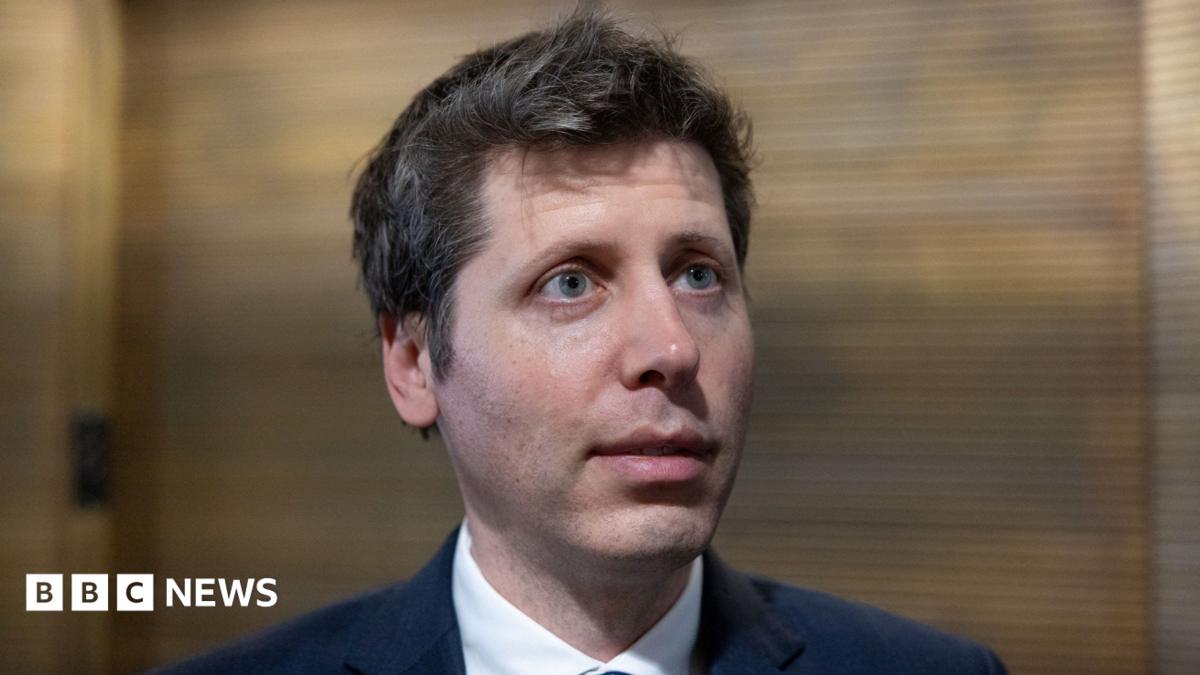
According to WIRED's Uncanny Valley podcast, Amazon's MGM Studios abruptly dropped production of Artificial, a biographical film about OpenAI CEO Sam Altman directed by Luca Guadagnino (known for Call Me by Your Name and Challengers). The film reportedly did not portray Altman favorably. The decision came just as production was wrapping up.
In contrast, Google DeepMind announced a $75 million partnership with indie film studio A24 to develop AI tools. The two moves highlight the diverging strategies of tech giants in engaging with Hollywood on AI storytelling.
Data Center Labor Unrest
Data center construction is facing backlash from workers. As reported by WIRED, some electricians are refusing to work on data centers, viewing the projects as sellouts. Additionally, a group of Amazon workers claim they are being investigated for speaking out in favor of regulation related to data center operations. This labor friction may affect the pace of data center buildouts, a critical concern for enterprises relying on cloud and AI infrastructure.
| Worker Group | Action | Implication |
|---|---|---|
| Electricians | Refusing data center work | Slowing construction timelines |
| Amazon employees | Claim investigation for pro-regulation speech | Potential workforce morale and legal risks |
Meta's Leaked Employee Tracking Program
Meta paused a controversial employee-tracking program after sensitive data from it was leaked internally, according to WIRED. The system tracked every keystroke and screen activity. The leak itself exposed the extent of surveillance, leading to a pause. For CTOs and security leaders, this incident underscores the risk of insider threats and the need for robust access controls over monitoring systems.
Government Relations at Anthropic
On a separate note, negotiations between Anthropic and the Trump administration have improved since CEO Dario Amodei stopped being directly involved, as reported by WIRED. The shift suggests that executive presence can sometimes hinder regulatory progress—a lesson for tech leaders engaging with government.
For enterprise decision-makers, these stories serve as reminders that AI partnerships carry reputational risks, data center labor shortages can impact infrastructure projects, and employee surveillance programs must be designed with data security front and center.
Sources: