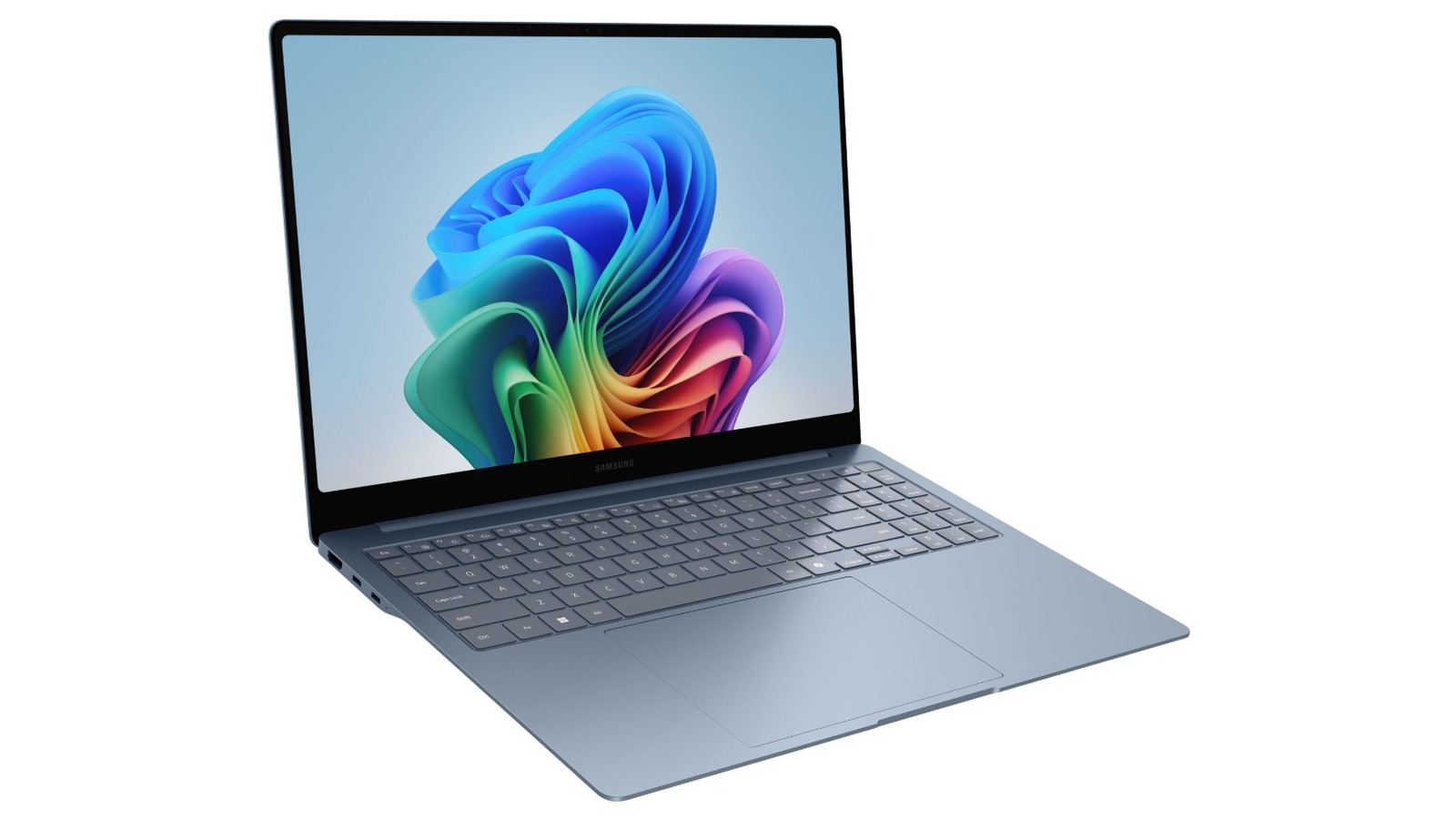
It’s hard to talk about the new Dell XPS 13 without mentioning the MacBook Neo, wrote WIRED reviewer Luke Larsen. The $700 Windows ultraportable borrows directly from Apple’s budget playbook—processor strategy, display quality, and memory tiers—while diverging in ways that matter for buyers. The review, published August 14, 2026, details where Dell’s machine beats the Neo and where it falls short.
.jpg)
Striking a $700 Balance
Both the Dell XPS 13 and MacBook Neo start at $700, though the Neo launched at $600, according to WIRED. Larsen wrote that the MacBook Neo "translated what people love about MacBooks into a $700 package" and feels as premium as a MacBook Air. The XPS 13 takes the same approach for Windows: the base configuration includes a 2560 x 1600-resolution touch display with a 120-Hz refresh rate, up to 427 nits of brightness, and "excellent color reproduction," per the review. The chassis is aluminum with no flex, the glass touchpad feels excellent, and the hinge opens with one finger without wobbling. At half an inch thick, it matches the MacBook Neo.
Features the XPS 13 Has and the Neo Doesn't
WIRED listed several features that Dell includes that Apple's machine omits: a touchscreen display, a 120-Hz refresh rate, a backlit keyboard, two 10-Gbps USB-C ports placed one on each side, support for two 4K monitors (or three with the lid closed), and fast storage.
| Feature | Dell XPS 13 | MacBook Neo |
|---|---|---|
| Starting price | $700 ($900 for better config) | $700 ($600 at announcement) |
| Display | 2560 x 1600 touch, 120Hz, up to 427 nits | Not detailed in review |
| Touchscreen | Yes | No |
| Backlit keyboard | Yes | No |
| Headphone jack | No | Yes |
| USB-C ports | Two 10-Gbps (one per side) | Not detailed in review |
| 4K monitor support | Two (or three closed) | Not detailed in review |
| Base RAM | 8 GB (16-GB model available) | Not detailed in review (no 16-GB model) |
The dual USB-C ports are notable: both can support a 4K display at 60 Hz, charge the device, or transfer files at 10 Gbps. The one port omission—a headphone jack—is a miss, Larsen noted, since the Neo includes one. Dell did add two tweeters for 8 watts of speaker output, which WIRED said is "at least on par with the Neo," and a 1080p webcam with an IR camera for Windows Hello login.
The Processor Trade-Off
To hit the $700 price, Dell made two compromises. The laptop uses a lower-powered Intel Core 5 320, a six-core chip from the new Intel Wildcat Lake line. The XPS 13 is one of the first laptops with this chip, which is meant to compete with the Apple A18 Pro used in the MacBook Neo and the Qualcomm Snapdragon X. Larsen said he was "impressed by this modest little piece of silicon," calling the performance plenty for the form factor. Another Intel Wildcat Lake laptop, the Lenovo IdeaPad Slim 3i, uses the Intel Core 7 350, but at 16 inches, WIRED said it is "hardly a competitor" to the compact XPS 13.
The Catch: RAM
The bigger compromise is memory. The base XPS 13 ships with 8 GB of RAM, which Larsen wrote "is just not enough." Dell does offer a 16-GB model, something the MacBook Neo lacks entirely. In WIRED's assessment, that combination of a strong display, aluminum build, and fast ports makes the XPS 13 unique among sub-$1,000 Windows laptops, even if the starting configuration leaves room for complaint.