Enterprise technology leaders seeking cost-effective, scalable wellness wearables for employee health programs will find Fitbit's latest lineup relevant. Five years after Google acquired Fitbit for $2.1 billion according to WIRED, the brand has been rebranded as Google Fitbit, though the change has not strongly resonated with consumers. Despite increased competition, Fitbit devices remain among the most user-friendly and affordable fitness trackers, making them suitable for organizations deploying large-scale health initiatives.
Fitbit's Evolution Under Google
Google's $2.1 billion acquisition of Fitbit brought in hardware and software teams that had earlier absorbed assets from Pebble (acquired by Fitbit in 2016), as reported by WIRED. The integration has led to devices that now feed data into the Google Health app, presenting insights in an easy-to-understand format. For enterprise buyers, this means a unified data ecosystem that can potentially integrate with existing health platforms.
Best Fitbit Overall: Google Fitbit Air
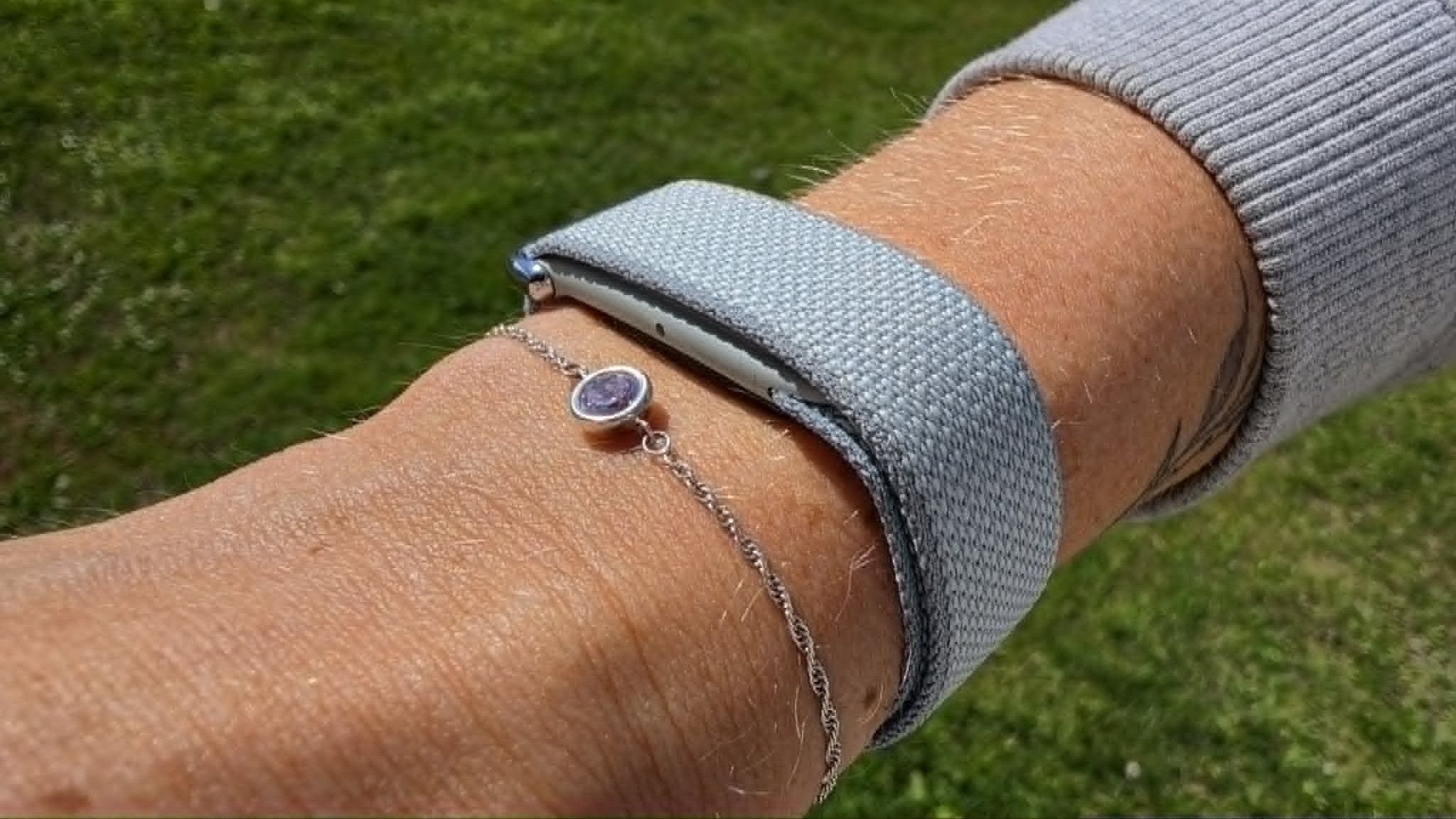
For programs where employee compliance depends on comfort, the Google Fitbit Air is the standout. Weighing just 12 grams according to WIRED, it is the lightest Fitbit and can be worn continuously without distraction. It lacks a screen, which reduces battery drain and eliminates the urge to check notifications. Key tracked metrics include heart rate, sleep, daily activity, skin temperature variations, and menstrual health. All data is accessible via the Google Health app. Battery life reaches about seven days, and a five-minute charge provides roughly a day's use. Automatic workout detection may occasionally misidentify activities, and AI guidance can feel generic, but these are minor trade-offs for a $100 device that delivers comprehensive health tracking.
| Specification | Google Fitbit Air |
|---|---|
| Dimensions (without band) | 34.9 x 17 x 8.3 mm |
| Materials | Recycled polycarbonate and PBT plastics; textile band with stainless steel buckle |
| Battery Life | Up to 7 days |
| Colors | Obsidian Band, Matte Black Buckle; Berry Band, Champagne Gold Buckle; Lavender Band, Silver Buckle; Fog Band, Silver Buckle; Special Edition Stephen Curry Band, Pyrite Buckle |
| Price | $100 |
The Air's lack of a screen may be a drawback for some, but WIRED notes it strikes the best balance of price, comfort, and everyday health tracking.
Best Fitbit for Beginners: Charge 6
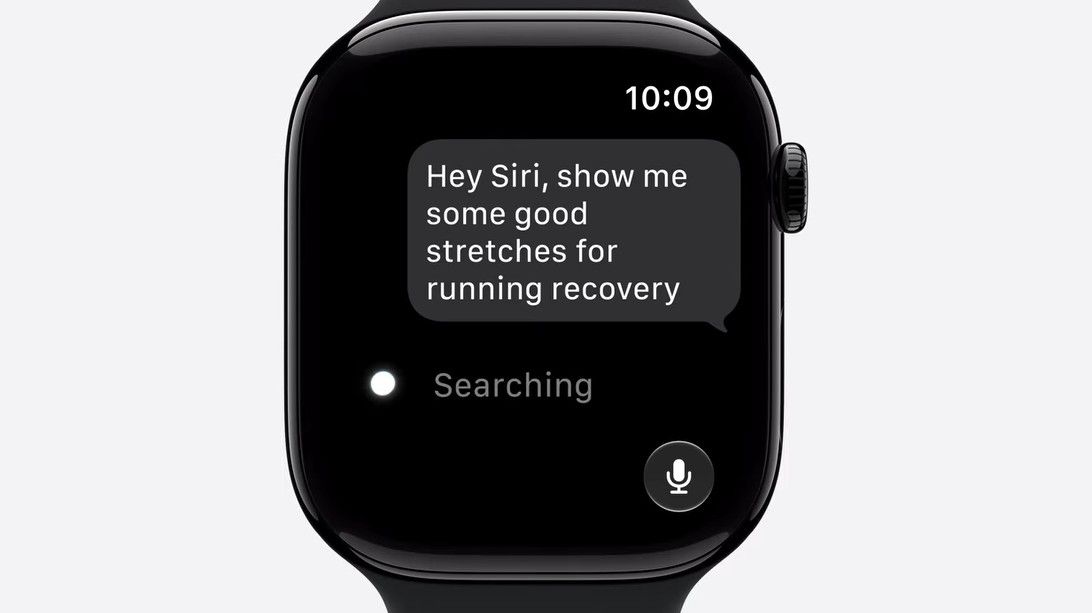
For employees who prefer a display, the Fitbit Charge 6 (launched in 2023) is recommended. It retains the slim build and bright AMOLED touchscreen of its predecessor, the Charge 5, and reintroduces a physical side button. It monitors heart rate, blood oxygen, and skin temperature, plus offers ECG and electrodermal activity scans for irregular heart rhythms and stress insights. A notable upgrade is the ability to connect the heart rate sensor to gym equipment such as NordicTrack treadmills or Peloton bikes. In testing, WIRED noted its heart rate sensors held up well against the Oura ring. Battery life is up to a week. Built-in GPS is not as accurate as dedicated sports watches but sufficient for outdoor activities.
The Charge 6 addresses the needs of beginners with its intuitive interface and comprehensive health tracking, making it a strong candidate for corporate wellness programs that want a screen-based device.
Sources: