Apple's latest operating system, macOS 27 Golden Gate, was unveiled at the WWDC, focusing on AI enhancements and system integration. This update is exclusive to Apple Silicon Macs, marking a shift from Intel-powered devices.
Siri AI and System Integration
The standout feature of macOS 27 is the revamped Siri AI, which aims to function as a comprehensive AI chatbot. Built on the Apple Foundation Models and leveraging Google Gemini, Siri AI enhances natural language processing and visual intelligence. It can be accessed systemwide, allowing users to interact with it directly from the desktop or through Spotlight.
Compatibility and Device Support
macOS 27 Golden Gate is compatible only with Apple Silicon Macs, including:
- MacBook Neo (2026)
- MacBook Pro (2020 and later)
- MacBook Air (2020 and later)
- Mac mini (2020 and later)
- iMac (2021 and later)
- Mac Studio (2022 and later)
- Mac Pro (2023 and later)
Advanced features like the improved Voice Mode require an M3 Mac or newer with at least 12 GB of RAM, excluding older models like the MacBook Neo and pre-2024 MacBook Airs.
AI-Driven Applications
The update extends AI capabilities across Apple apps. Safari introduces Topics for smarter tab organization and Custom Extensions for natural language-based extension creation. The Shortcuts app now allows users to design automated shortcuts using natural language, enhancing productivity.
Visual and Performance Enhancements
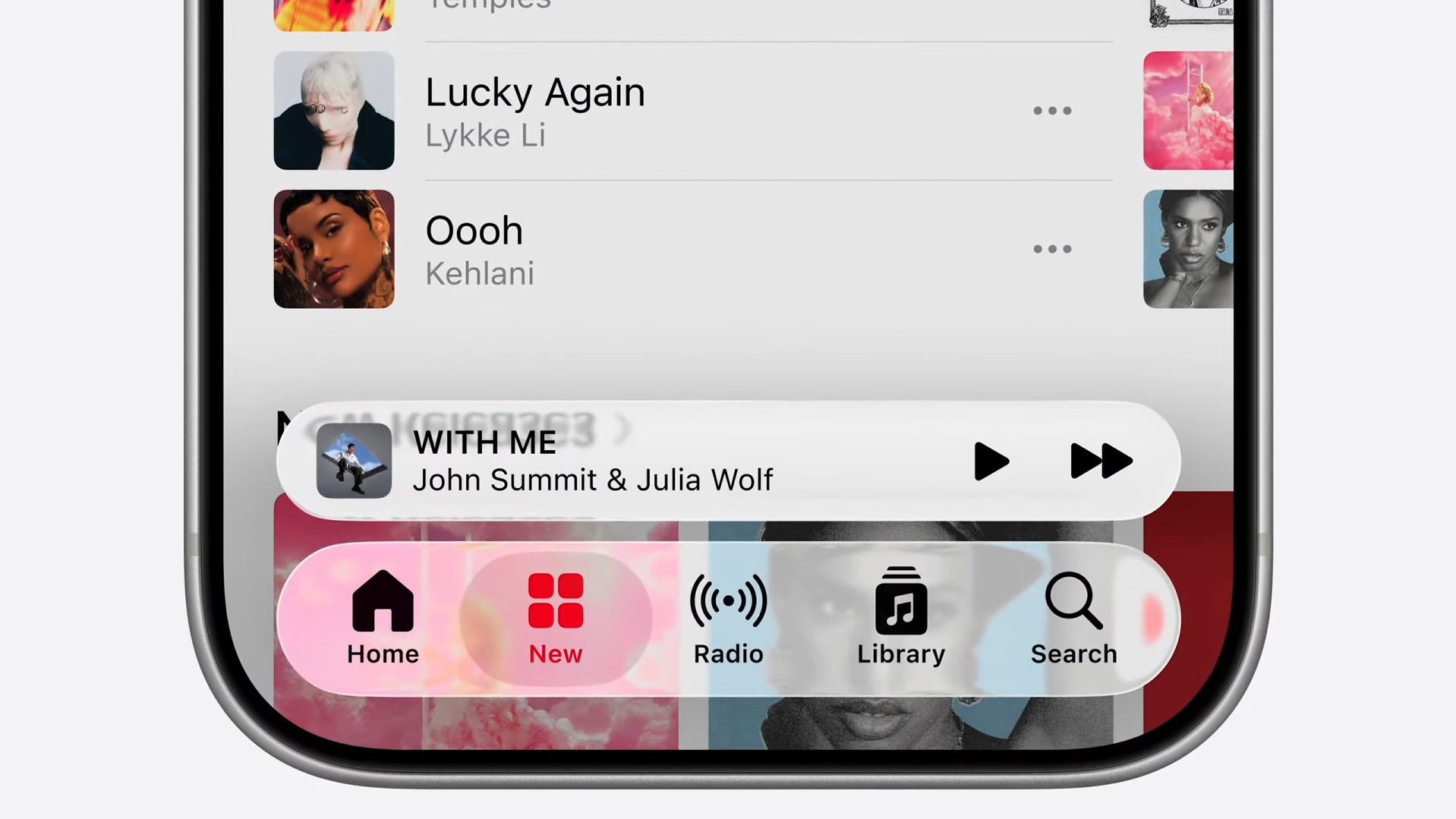
While AI is the focus, macOS 27 also refines the Liquid Glass interface, addressing user feedback on readability and menu clarity. Performance improvements include better memory and CPU usage, enhancing responsiveness in tasks like app switching and display rendering.
The introduction of macOS 27 Golden Gate represents a significant step in integrating AI into everyday computing, offering enhanced functionality and efficiency for users of compatible devices.
Sources: