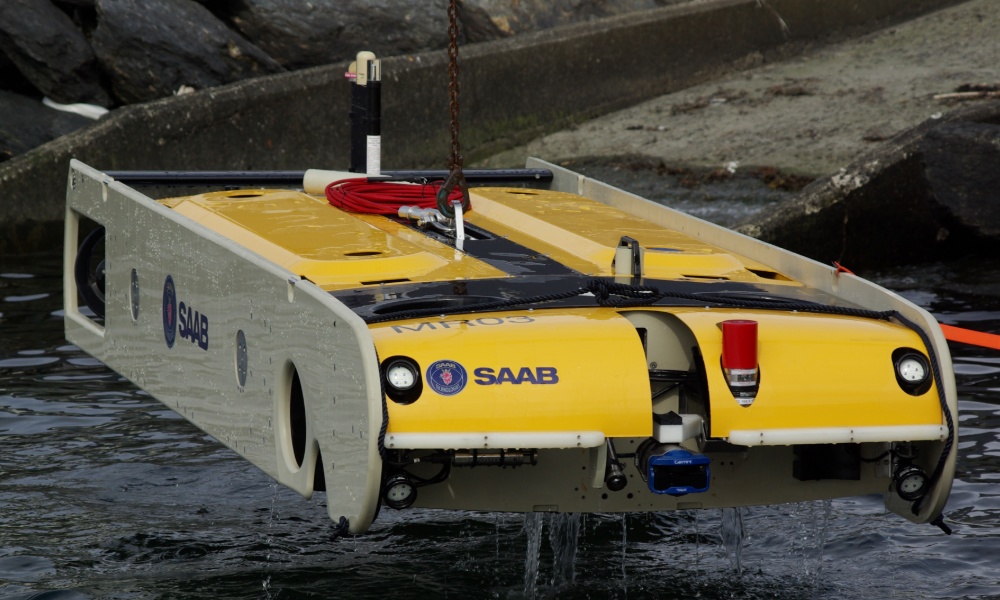
Marine seismic specialist PXGEO has signed a one-year framework agreement with Norwegian energy giant Equinor to conduct autonomous subsea inspection trials. The trials will utilize the Saab Sabertooth underwater intervention drone (UID) technology to validate autonomous behaviors for offshore inspection.
Autonomous Subsea Inspection
The collaboration between PXGEO and Equinor represents a significant step into the realm of unmanned operations, which are increasingly becoming the norm in subsea inspections. According to PXGEO, the trials will test and verify the capabilities of the Saab Sabertooth, focusing on its ability to autonomously dock and inspect subsea infrastructure using onboard sonar and cameras.
Initial Trials in Norway
The first call-off for the trials is already underway in nearshore Norway. The Saab Sabertooth will operate in Autonomous Underwater Vehicle (AUV) mode, showcasing its potential to enhance efficiency and reduce the need for human intervention in challenging underwater environments.
Strategic Partnership
Peter Erkers, head of strategy at PXGEO, emphasized the importance of this partnership, stating that it is their first commercial contract in autonomous subsea inspection. He highlighted the significance of collaborating with the right partner and platform to advance in this innovative field.
"This is our first commercial contract in autonomous subsea inspection and the right partner and platform to do it with," said Peter Erkers.
Implications for the Industry
The successful implementation of autonomous subsea inspection technology could lead to significant cost reductions and increased safety in offshore operations. By minimizing the need for human divers and traditional inspection methods, companies can achieve more efficient and reliable inspection processes.
| Company | Technology | Purpose |
|---|---|---|
| PXGEO | Saab Sabertooth | Autonomous subsea inspection |
| Equinor | Collaboration | Offshore inspection trials |
This partnership between PXGEO and Equinor is a pivotal moment in the adoption of autonomous technologies in the subsea sector, potentially setting a precedent for future collaborations and technological advancements.
Sources: