
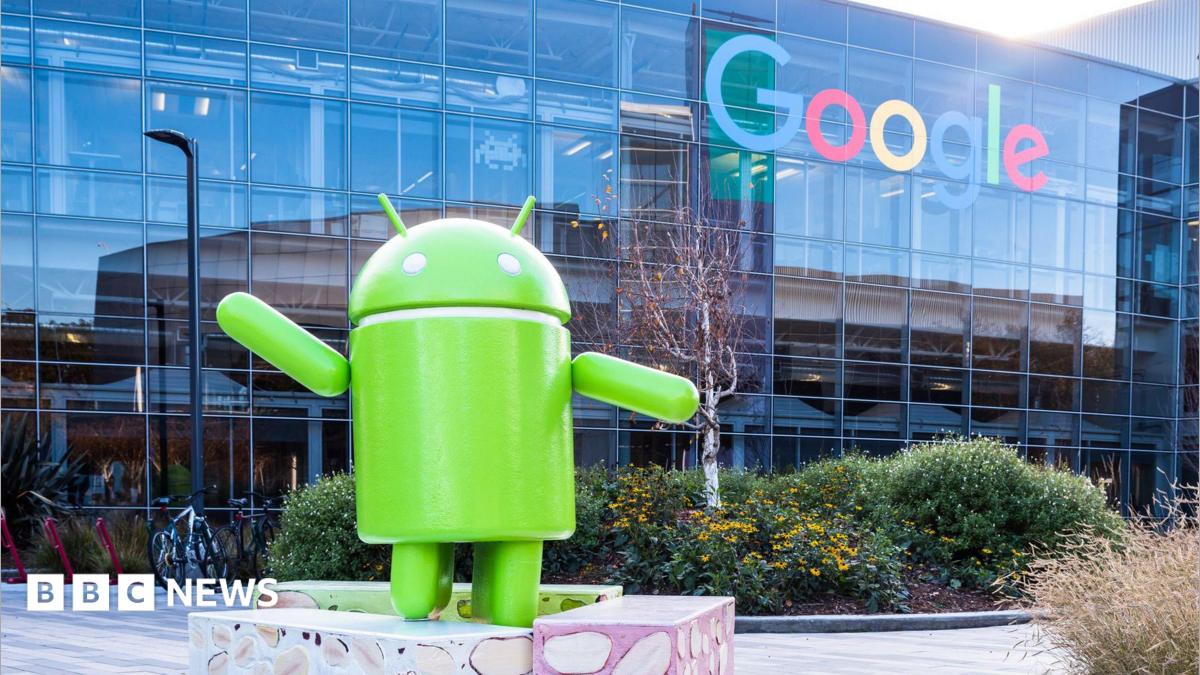
Europe's top court has ruled that Google must pay a €4.1bn (£3.5bn) fine for using its Android mobile operating system to block rivals, according to the BBC. The European Commission originally handed down a €4.3bn (then £3.9bn) penalty in 2018, which was trimmed to €4.1bn in 2022. An appeal by the tech giant has now been dismissed. The fine is the largest the Commission has ever imposed against Google.
Three Illegal Practices Alleged
When the fine was first announced in 2018, the Commission alleged three ways in which Google acted illegally:
- Requiring Android handset and tablet manufacturers to pre-install the Google Search app and its own web browser Chrome as a condition of allowing them to offer access to its Play app store.
- Making payments to large manufacturers and mobile network operators that agreed to exclusively pre-install the Google Search app on their devices.
- Preventing manufacturers from selling any smart devices powered by alternative "forked" versions of Android by threatening to refuse them permission to pre-install its apps.
The BBC noted that Google's version of Android does not prevent device owners from downloading alternative web browsers or using other search engines.
Google's Response
A Google spokesperson told the BBC that the judgement "fails to recognise" the firm's "significant investment to ensure Android remains open, interoperable and free." The spokesperson added: "In any event, we adapted our agreements to comply with the initial decision back in 2018 and we remain focused on continued innovation and openness for our users, partners and developers."
When the original fine was announced, Google's chief executive Sundar Pichai blogged that the decision "rejects the business model that supports Android, which has created more choice for everyone, not less," according to the BBC.
Other Fines Against Google
This is not the first competition case brought against Google and its parent company Alphabet by the European Commission. The BBC reported two other significant penalties:
| Year | Fine Amount | Reason |
|---|---|---|
| 2024 | €2.4bn (£2bn) | Abusing market dominance of its shopping-comparison service |
| 2025 | €2.95bn (£2.5bn) | Breaching competition laws by favouring its own products for online ads to the detriment of rivals |
The €4.1bn fine is not the largest ever imposed on Google, however. In October 2024, a Russian court fined the firm for restricting Russian state media channels on YouTube. The fine was for two undecillion roubles – more than the world's total GDP, according to the BBC.
Implications for Enterprise Technology Decision-Makers
While this case focuses on consumer mobile operating systems, the ruling underscores the European Commission's aggressive enforcement of antitrust rules against dominant tech platforms. For enterprise technology procurement leaders, the decision signals that regulatory scrutiny of platform practices – including bundling, exclusive agreements, and restrictions on interoperability – will remain intense. Companies relying on Android-based devices or Google's ecosystem should note that Google adapted its agreements in 2018 to comply with the initial decision, potentially affecting terms for manufacturers and network operators. The fines also highlight the financial risks of non-compliance with EU competition law, which can reach billions of euros. Technology buyers should monitor how such rulings influence the availability of open alternatives and the terms of pre-installation agreements in the Android ecosystem.
Sources:


