
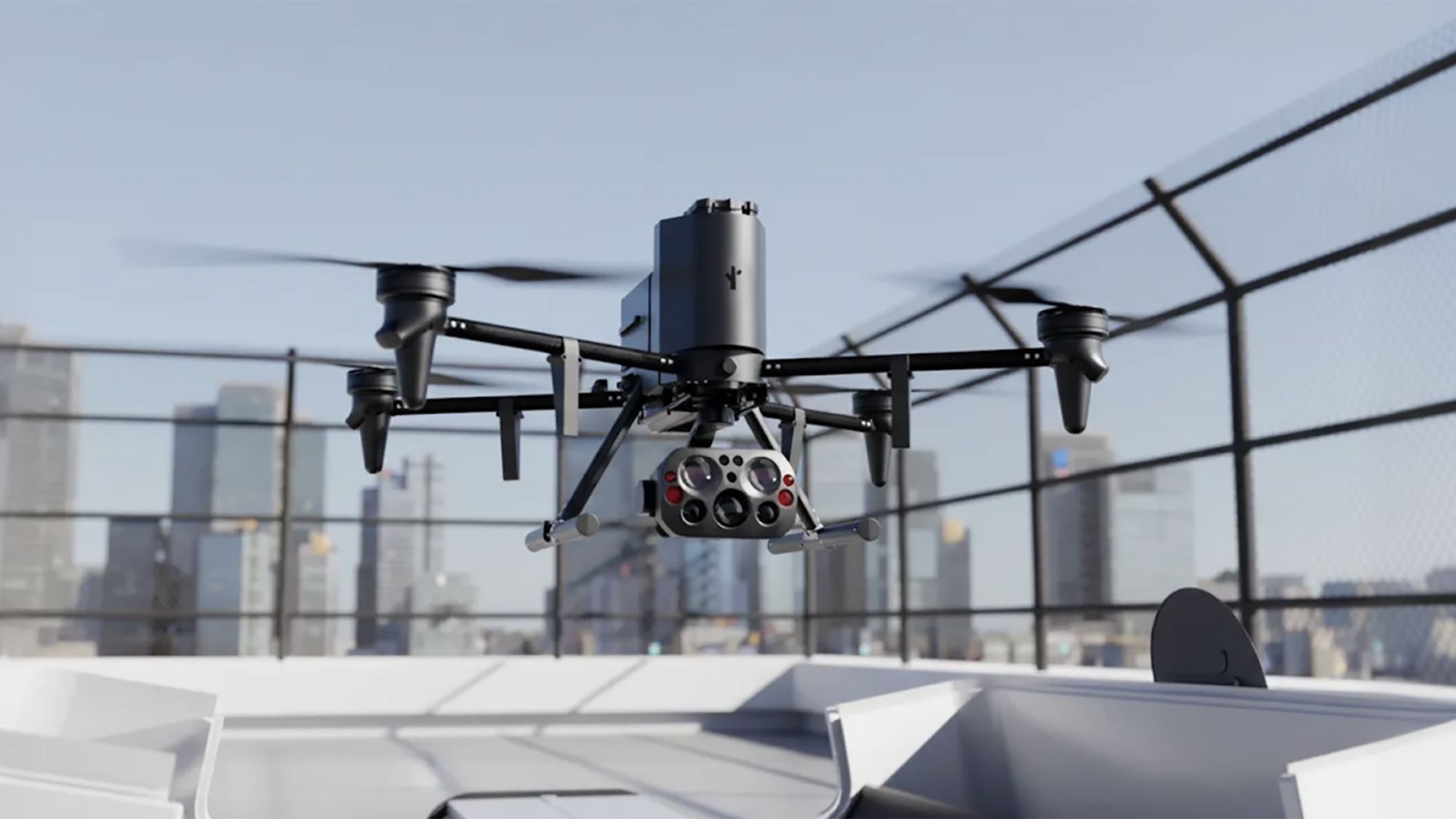
Stockton, California, has recently approved a $3.15 million investment in drones manufactured by Flock, aiming to enhance public safety by deploying these drones as airborne first responders. However, this decision has been met with significant public opposition due to concerns over privacy and surveillance.
Privacy Concerns
Residents of Stockton have expressed worries about the potential for these drones to infringe on personal privacy. The drones are designed to provide police with real-time updates on 911 call situations, potentially allowing officers to handle some incidents remotely. However, the Stockton Community Check-In Booth, a local activist group, criticized the move, stating that it sends the wrong message amid ongoing financial struggles for residents.
John McBride, a Stockton Republican congressional candidate, labeled the drone use as "a total invasion of privacy," highlighting concerns about data control and access. Although Flock claims that local agencies control the data and that federal agencies are blocked from accessing it, past incidents in other states have raised doubts about these assurances.
Data Control and Usage
Flock has stated that the data collected by the drones will be owned entirely by the Stockton police, with flights logged on a public-facing dashboard. Despite these assurances, there have been previous instances where Flock shared data access with US Customs and Border Protection in Colorado and Illinois, although the company claims these practices have ceased.
In Texas, Flock's camera network was used controversially to track a woman's movements post-abortion, further fueling privacy concerns. In contrast, Mountain View, California, recently scrapped a Flock camera network over unauthorized access concerns.
Broader Implications
The deployment of Flock drones in Stockton is part of a broader trend of using technology to enhance law enforcement capabilities. However, the balance between public safety and privacy remains a contentious issue. For technology decision-makers, this case underscores the importance of considering privacy implications and community sentiment when implementing surveillance technologies.
The situation in Stockton serves as a cautionary tale for other cities considering similar investments. It highlights the need for transparent data management practices and robust privacy safeguards to gain public trust and avoid backlash.
Sources:


