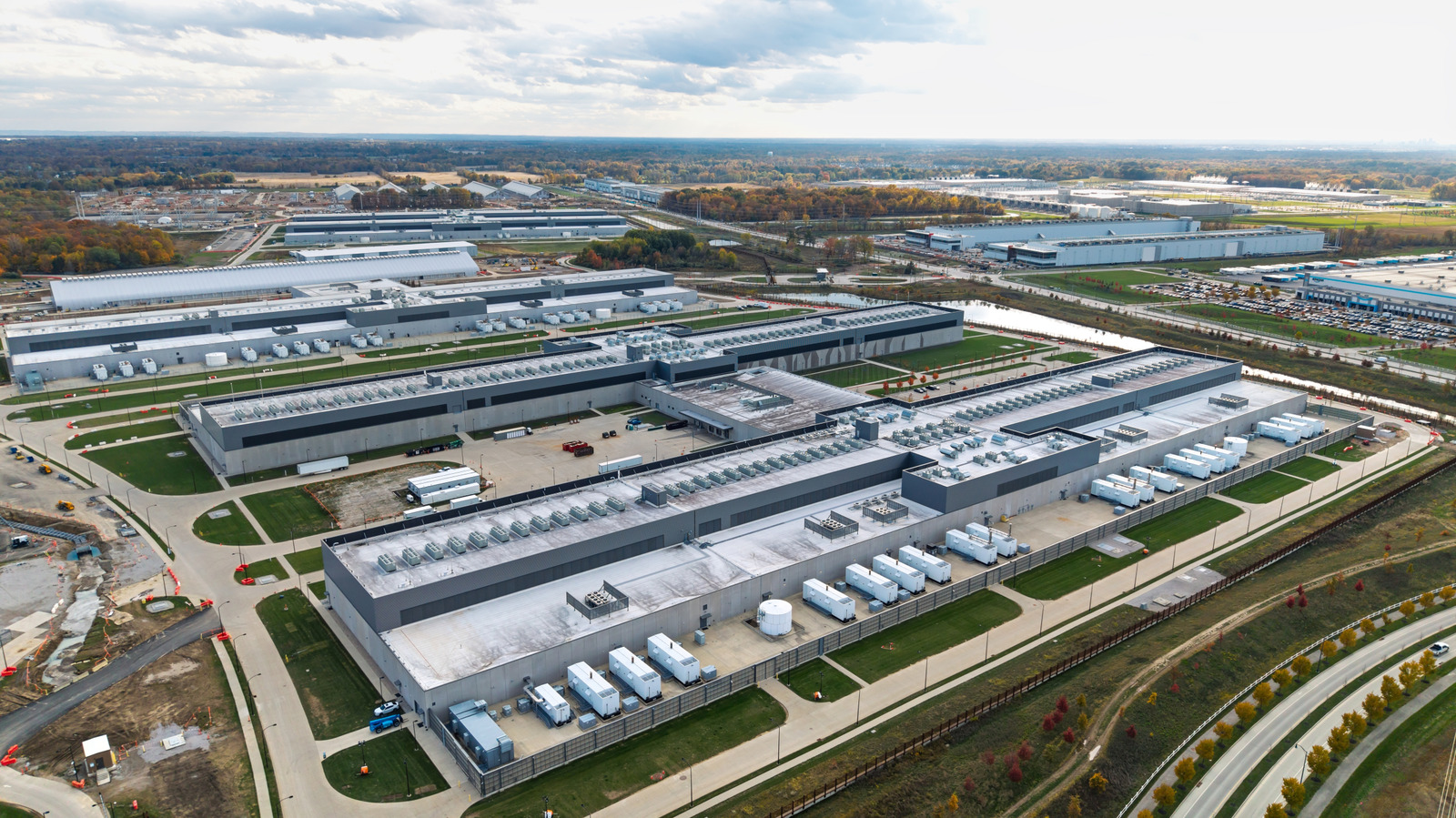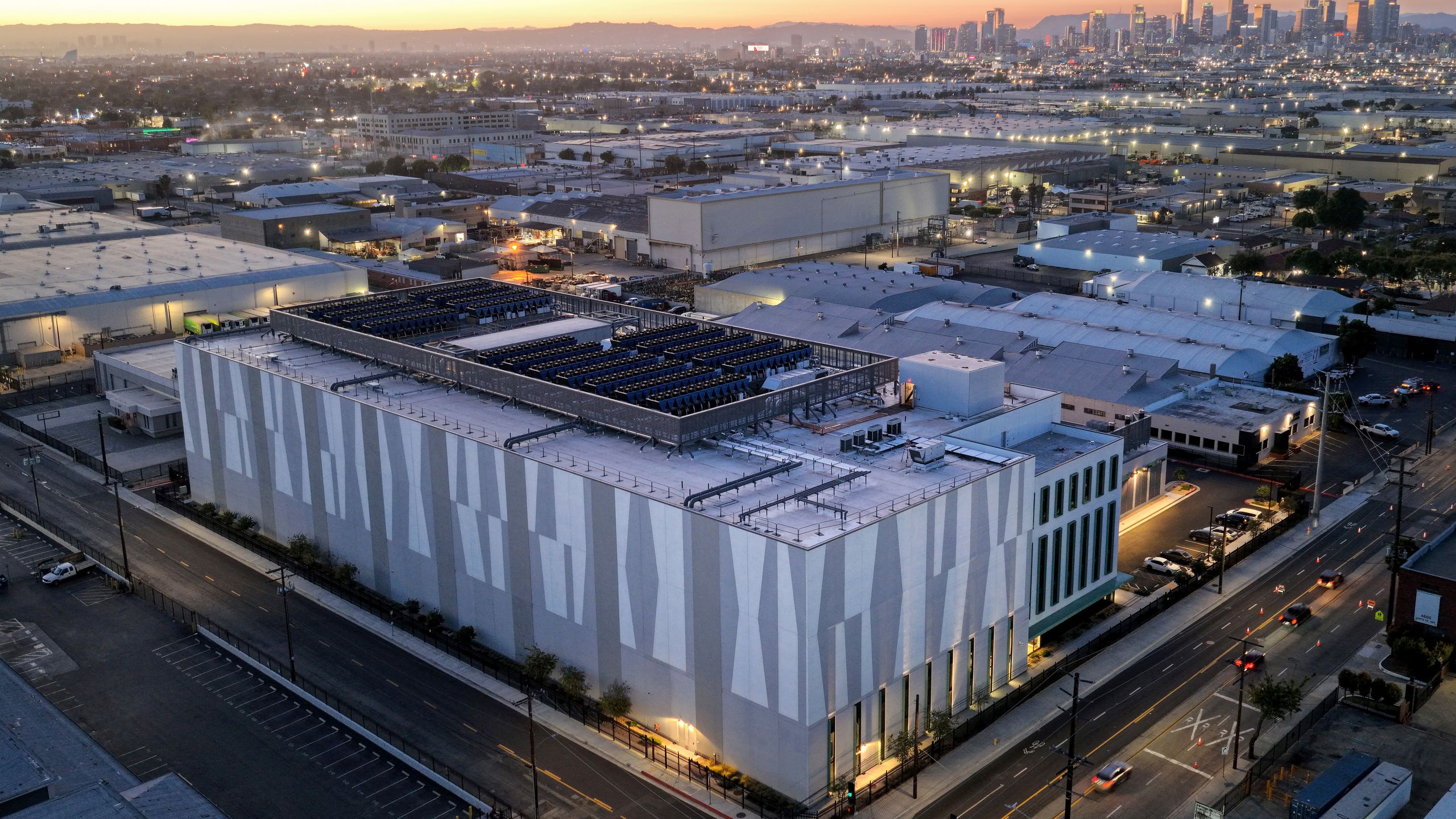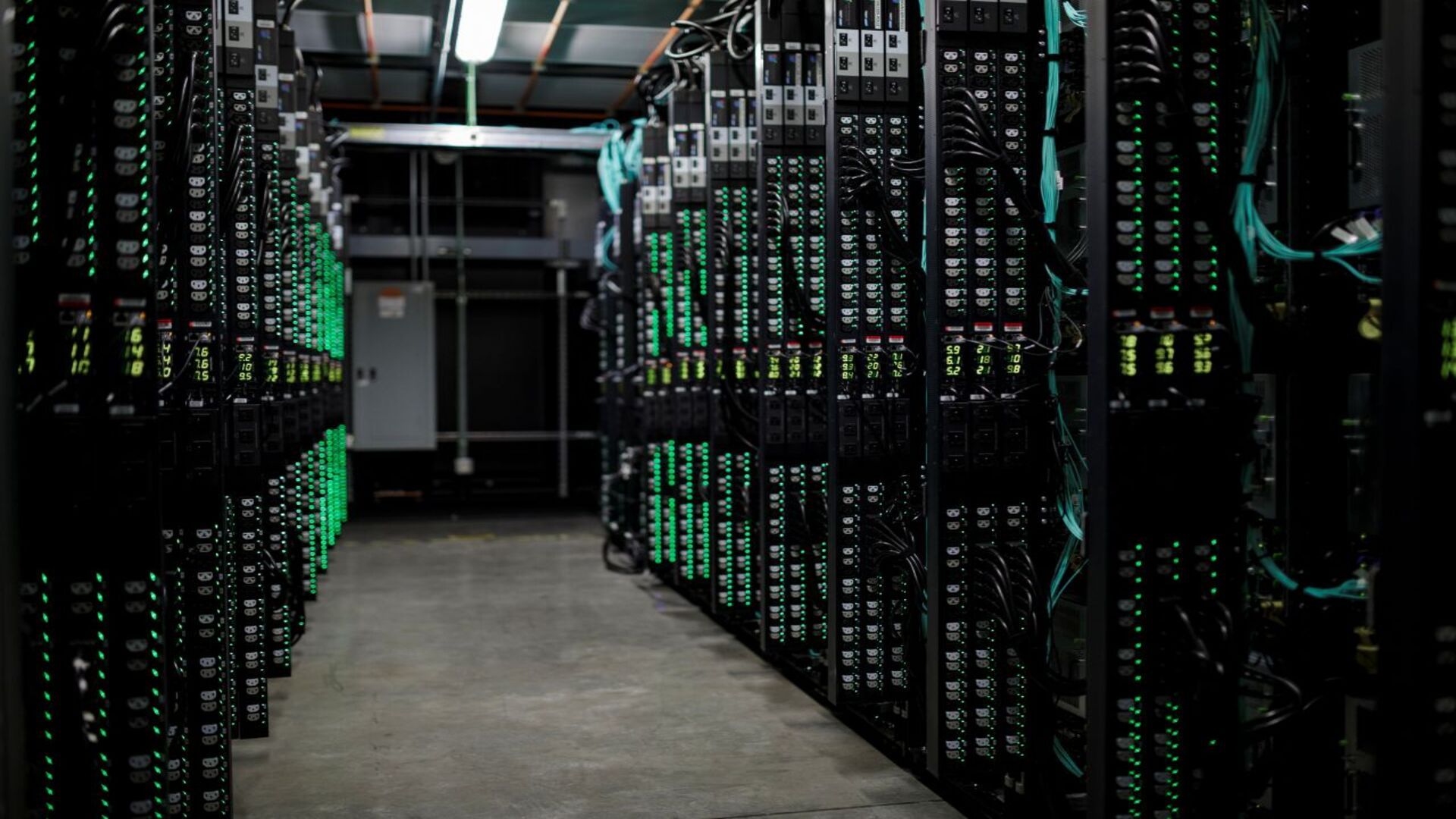
The rapid expansion of data centers across the United States has sparked significant opposition from both state and local governments. New York is at the forefront, proposing a temporary ban on constructing data centers with an energy demand of 20 megawatts or more for one year, according to TechRadar.
State-Level Resistance
While New York's proposed moratorium could set a precedent, it is not alone in its efforts. 18 states have proposed legislation to pause data center construction, subject to conditions like impact studies and community protection regulations. However, none have successfully passed state-level legislation yet. States like Maryland, Minnesota, New Hampshire, Oklahoma, South Dakota, and Wisconsin have seen their proposals fail, while Georgia, Michigan, New York, Pennsylvania, South Carolina, Vermont, and Virginia continue to deliberate.
Local Success Stories
Local governments have been more successful in implementing restrictions. Since 2025, there has been a notable increase in county and city-level bans. Of the 40 county-level restrictions proposed, 31 are active, and 28 out of 35 city-level proposals are currently in effect. Local opposition groups have found success due to the more tangible influence they can exert on councilors and city representatives, who are often more accessible than state legislators.
Influence of Interest Groups
The struggle against data center expansion is complicated by the influence of powerful interest groups. TechRadar highlights the role of big tech and the fossil fuel industry in shaping policy. These groups have significant sway over the US House of Representatives, often resulting in a divide between representatives and their constituents' desires. The fossil fuel industry, in particular, sees data centers as an opportunity to expand energy production, supported by political figures like President Trump.
Implications for Technology Leaders
For technology decision-makers, the growing opposition to data centers presents both challenges and opportunities. Companies must navigate a complex landscape of regulations and community concerns, which could impact project timelines and costs. However, this also opens avenues for innovation in energy efficiency and sustainable practices, potentially leading to more community-friendly data center designs.
| State | Legislation Status |
|---|---|
| New York | Proposed |
| Maryland | Failed |
| Minnesota | Failed |
| New Hampshire | Failed |
| Oklahoma | Failed |
| South Dakota | Failed |
| Wisconsin | Failed |
| Georgia | Deliberating |
| Michigan | Deliberating |
| Pennsylvania | Deliberating |
| South Carolina | Deliberating |
| Vermont | Deliberating |
| Virginia | Deliberating |
The ongoing debates and legislative efforts underscore the need for technology leaders to stay informed and adaptable in their strategies for data center development.
Sources: