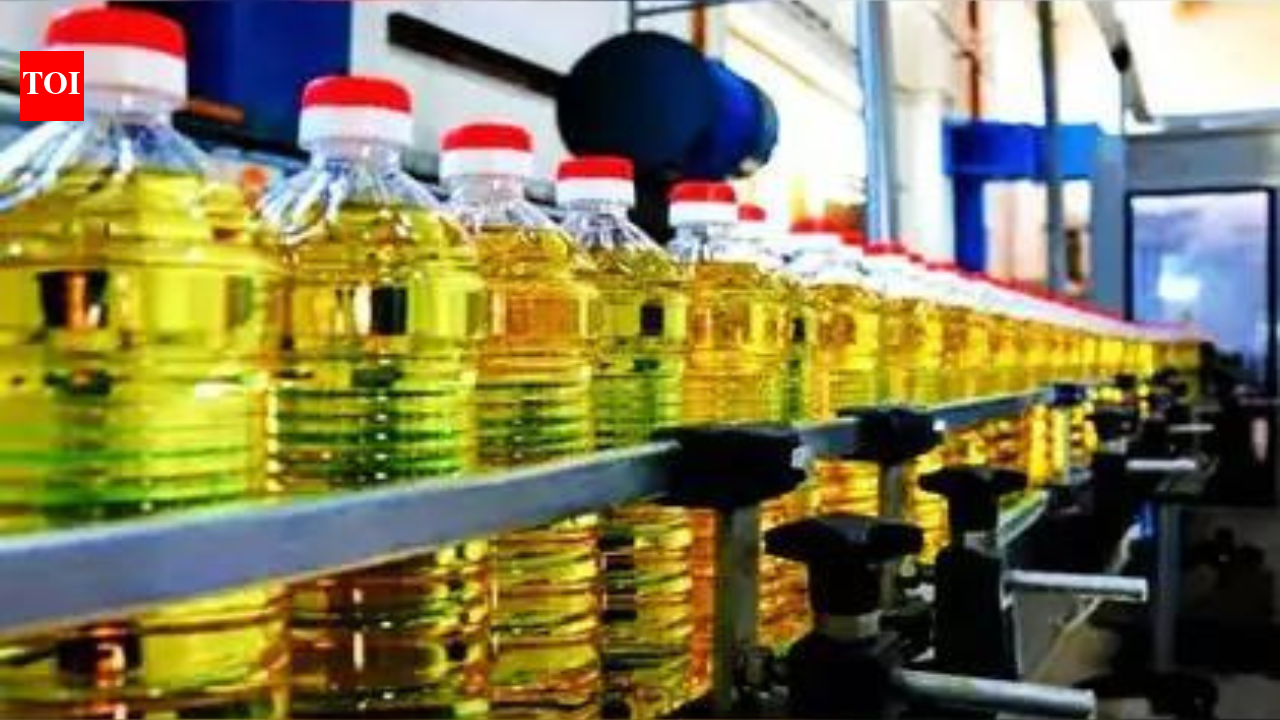
India's edible oil imports rose 6.7% year-on-year to nearly 13.39 lakh tonnes in May 2026, driven mainly by higher shipments of crude soyabean oil, according to data released by the Solvent Extractors' Association of India (SEA) and reported by PTI.
Import Volume Overview
SEA data shows edible oil imports reached 13,38,936 tonnes in May 2026, compared with 12,54,883 tonnes in the same month last year. Non-edible oil imports more than doubled to 26,202 tonnes from 12,040 tonnes in May 2025. Combined vegetable oil imports (edible plus non-edible) rose 8% to 13.65 lakh tonnes from 12.67 lakh tonnes a year earlier.
For the first seven months of the 2025-26 oil year (November 2025 – May 2026), total vegetable oil imports increased 12% to 93.65 lakh tonnes from 83.39 lakh tonnes in the corresponding period of the previous year. Edible oil imports during this period grew 13% to 92.17 lakh tonnes from 81.31 lakh tonnes, while non-edible oil imports declined to 1,47,710 tonnes from 2,07,505 tonnes.
Soyabean Oil Drives Growth
The increase was led by crude soyabean oil imports, which climbed to 4,93,854 tonnes from 3,98,585 tonnes a year ago. SEA attributed the rise to a narrowing price premium of soyabean oil over palm oil, making soyabean oil more competitive.
Tariff Value Adjustments
Effective June 1, 2026, the government raised the tariff value of crude palm oil (CPO) to $1,218 per tonne and RBD palm oil to $1,222 per tonne, while slightly reducing the tariff value of crude soyabean oil. These adjustments are part of ongoing policy measures.
Shift in Refined Oil Imports
No imports of RBD Palmolein were recorded during May 2026. Cumulative imports of RBD Palmolein during November 2025 – May 2026 declined sharply to 47,270 tonnes from 8,26,800 tonnes in the same period last year. SEA noted that this decline "reflects the government's policy of maintaining a higher duty differential between crude and refined oils, which has encouraged imports of crude palm oil and supported domestic refining, value addition, and employment generation."
The share of refined oils in total imports during the first seven months of the current oil year fell sharply to 3% from 16% a year ago, while the share of crude oils rose to 97% from 84%.
| Import Category | May 2026 (tonnes) | May 2025 (tonnes) | Change |
|---|---|---|---|
| Edible oils | 13,38,936 | 12,54,883 | +6.7% |
| Non-edible oils | 26,202 | 12,040 | +117.6% |
| Vegetable oils (total) | 13,65,000 | 12,67,000 | +8% |
| Period | Edible oil imports (tonnes) | Change |
|---|---|---|
| Nov 2025 – May 2026 | 92,17,000 | +13% |
| Nov 2024 – May 2025 | 81,31,000 | — |
Nepal's Zero-Duty Imports
SEA also pointed out that imports of refined oils from Nepal continued at significant levels, aided by the zero-duty benefit available under the SAFTA (South Asian Free Trade Agreement). This remains a factor in the import mix despite the overall shift toward crude oils.
For importers and trade policy professionals, the data underscores a clear policy-driven shift: higher duties on refined oils are boosting domestic refining activity, while tariff value adjustments on crude palm oil and soyabean oil are influencing sourcing decisions. The continued preference for crude oils over refined oils, along with the sharp decline in RBD Palmolein imports, signals that government intervention is reshaping import patterns in India's edible oil market.
Sources: