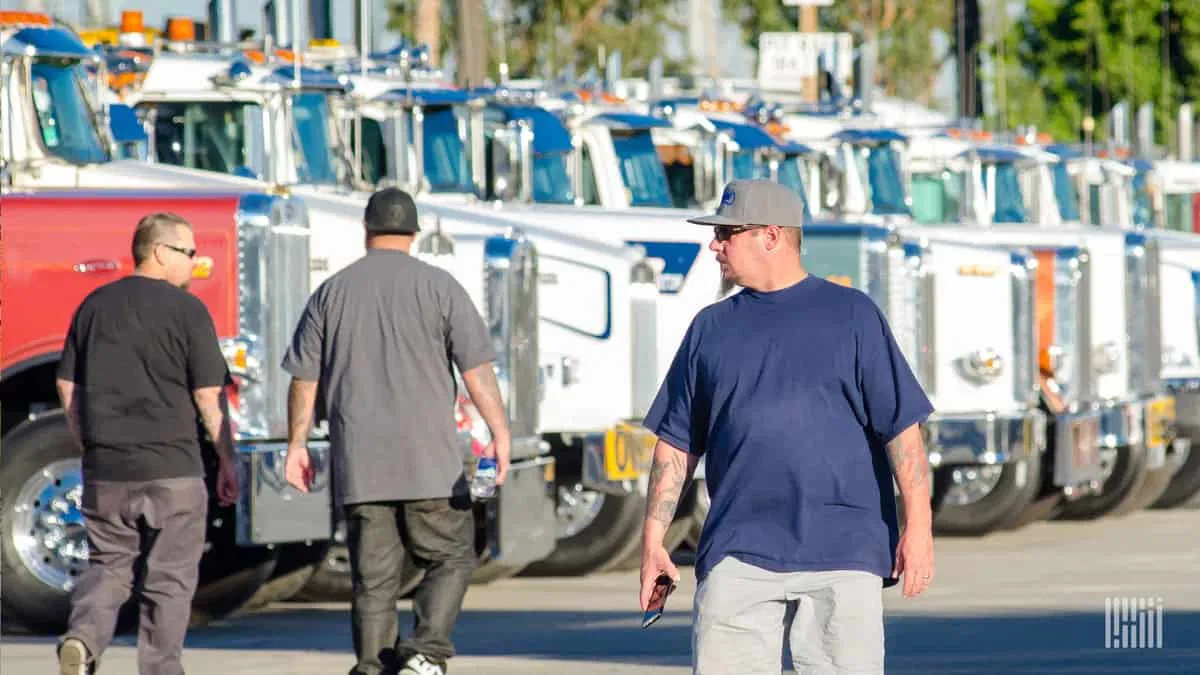
LAREDO, Texas — Cross-border trade stakeholders gathered in Laredo on Tuesday for the 9th Annual Modernization of Cross-Border Trade conference, where discussions focused on rising legal liability for brokers, evolving carrier-vetting standards, cargo security risks and preparations for the next phase of the U.S.-Mexico-Canada Agreement, according to FreightWaves.
The event, hosted by Reliance Partners and Borderless Coverage, brought together more than 500 of the industry’s leading voices as U.S.-Mexico freight continues to face unprecedented regulatory and operational challenges.
Montgomery Ruling Reshapes Broker Liability
One of the most closely watched discussions focused on the Supreme Court’s Montgomery v. Caribe Transport II decision and its implications for freight brokers. The panel, moderated by Thom Albrecht, chief financial and revenue officer at Reliance Partners, featured Jamie Cannon, senior vice president of logistics services at Reliance Partners, and Luca Winters, vice president for U.S.-Mexico cross-border logistics at Kuehne + Nagel. Panelists said the ruling is already prompting insurance underwriters, brokers and shippers to reevaluate carrier-selection practices and liability exposure, according to FreightWaves. Cannon stated that insurers are scrutinizing broker-carrier agreements, standard operating procedures and carrier-vetting processes more closely than ever before.
| Key Panel Details | |
|---|---|
| Event | 9th Annual Modernization of Cross-Border Trade conference |
| Date | Tuesday, June 10, 2026 |
| Location | Laredo, Texas |
| Attendance | More than 500 industry leaders |
| Hosts | Reliance Partners, Borderless Coverage |
| Key Topic | U.S. Supreme Court Montgomery v. Caribe Transport II ruling |
Cargo Fraud and Security Risks
Cargo fraud and security risks were also dominant themes. The FreightWaves article noted that Jerry Maldonado, chairman of the Laredo Motor Carriers Association, highlighted the organization’s 10th anniversary and emphasized Laredo’s role as the leading inland port in North America. “Laredo is the No. 1 inland port in the northern hemisphere,” Maldonado said. He pointed to uncertainty surrounding upcoming USMCA negotiations but expressed confidence in the cross-border trade relationship.
Mark Vickers, executive vice president of international logistics at Reliance Partners and founder of Borderless Coverage, said the conference was created to help stakeholders adapt to rapidly changing conditions. “We modernize to make money,” Vickers said. He cited long-term supply chain shifts from the pandemic, including increased freight flows through Mexico and the Port of Manzanillo, where U.S. companies routed Chinese freight to avoid Los Angeles congestion. “That supply chain has stayed and that’s changed the way U.S. companies look at risk in Mexico,” Vickers added.
USMCA 2.0 Preparations
Preparations for a potential USMCA 2.0 framework were a key topic. Maldonado noted the uncertainty but expressed confidence that relationships at local, state and federal levels will support the trade relationship. The FreightWaves article reported that the conference also covered carrier-vetting requirements, insurance trends, and cargo security.
Implications for Importers and Exporters
The Montgomery ruling raises the bar for broker due diligence, requiring tighter carrier vetting and clearer contractual protections. Cargo fraud remains a persistent threat, especially as supply chains through Mexico grow. Importers and exporters should review their broker agreements and ensure their partners have robust vetting processes in place. The evolving USMCA framework will likely introduce new rules of origin and customs compliance requirements, demanding proactive adaptation.
Laredo is the No. 1 inland port in the northern hemisphere. — Jerry Maldonado, chairman of the Laredo Motor Carriers Association
Sources: