
Topic
capacity
 Commodities
 Ofgem Moves Against Phantom Data Centers Jamming UK Power Grid Queue
The UK's grid connection queue ballooned from 41 GW to 125 GW between November 2024 and June 2025, driven by speculative data center projects that may never be built. Ofgem proposed nonrefundable deposits and stricter requirements to clear the logjam, but faces a risk of driving legitimate projects abroad.
 Logistics
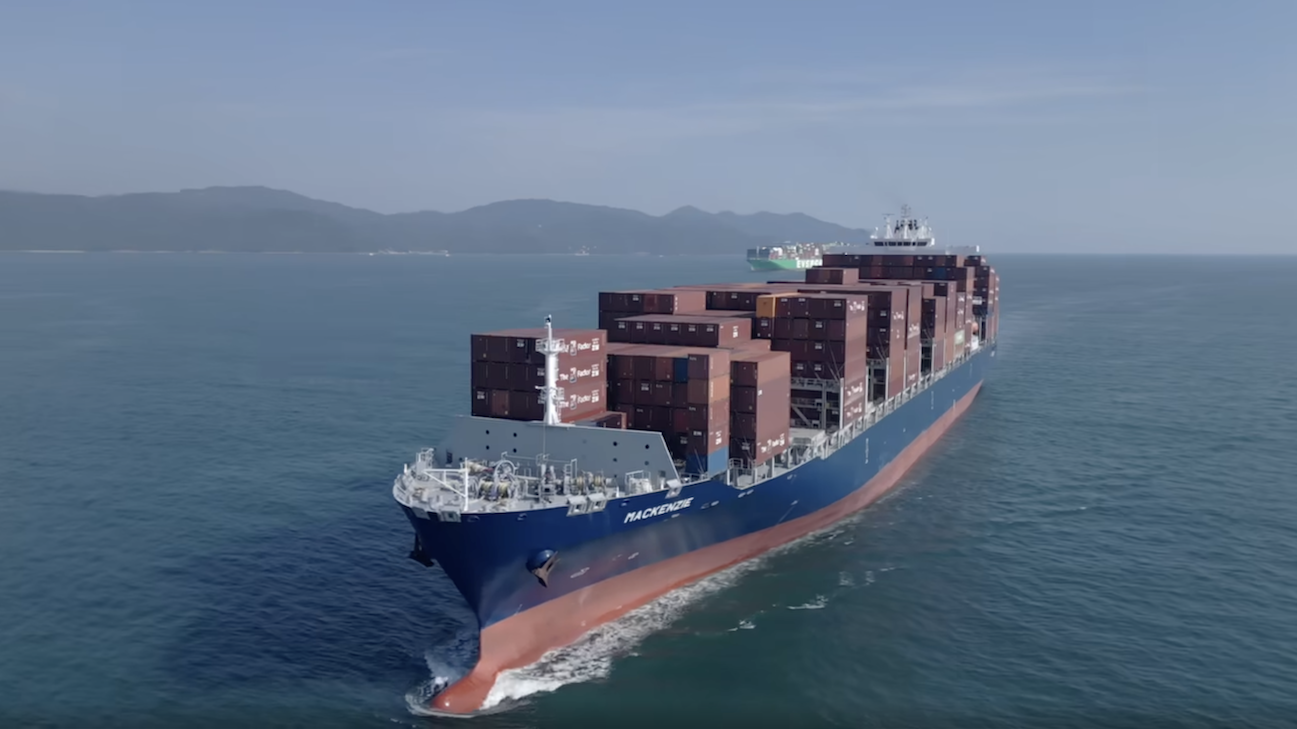
 Ocean Rate Concerns Rise as New Containership Orders Near 40% of Global Fleet
The global containership orderbook has reached nearly 39% of operating fleet capacity, with large mainline vessels dominating the pipeline. Fleet growth of about 4.2% is set to outpace container trade growth of 3-4% in 2026, pressuring ocean freight rates. Feeders and intermediate vessels face less risk due to older fleets and limited replacement, according to FreightWaves.
 Logistics
 Truckload Tender Rejections at 13.57% Signal Healthy Freight Market Ahead of Q4 Volatility
Truckload tender rejections have settled at 13.57% after peaking above 17.5% around July 4th, up sharply from roughly 6% in January, according to FreightWaves SONAR data. Spot rates rose 7% from August 22 through late August, showing early seasonal firming ahead of Q4. Craig Fuller and Julie Van de Kamp say the market has a window to set spot-contract mix before volatility returns.
 Logistics
 Maersk abandons 4.4m teu fleet ceiling as CEO Vincent Clerc signals capacity growth
Maersk has abandoned its 4-4.4m teu capacity ceiling, with its operated fleet now above 4.7m teu. CEO Vincent Clerc told investors the carrier will 'ensure that we have the capacity to grow.' Analysts are split on whether this will trigger a newbuilding spree or more chartering.
 Logistics
 Port Congestion Removes 1.7m TEU of Capacity, Nearly an Evergreen-Sized Fleet
Sea-Intelligence analysis reported by Splash247 finds persistent port congestion is removing about 1.7m teu of containership capacity from the global market, approaching the size of Evergreen's fleet. June 2026 schedule reliability remains at 60–65%, while delays absorb 5% of the global container fleet. Maersk has raised its full-year guidance again, citing congestion as a key freight rate driver.
 Logistics
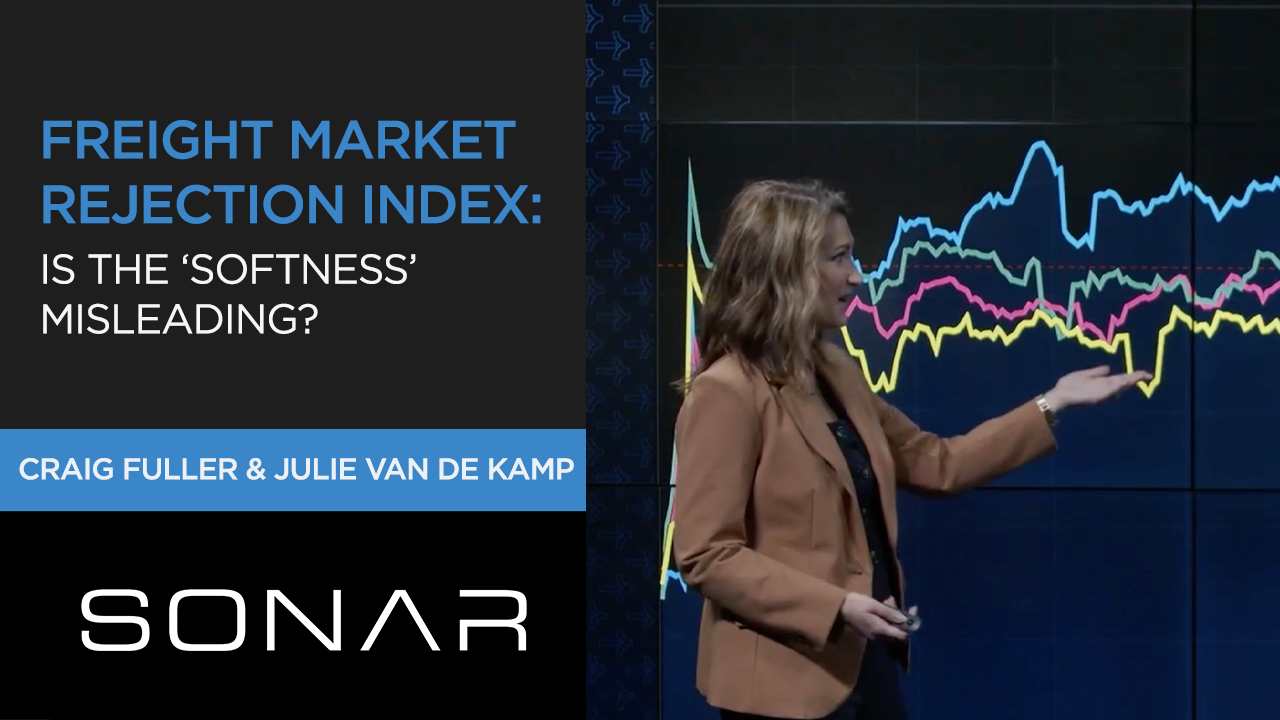
 Freight Market Rejection Index: Is the Softness Misleading? SONAR Update
FreightWaves' SONAR update shows the freight market is stronger than it looks: the national tender rejection index at ~13.5% exceeded every 2024 reading, and intermodal contract rates are 34% below truckload rates. Spot rates are $3.34 per mile, 21% above last year. Shippers should consider mode conversion to rail before peak-season tightening begins in mid-October.
 Logistics
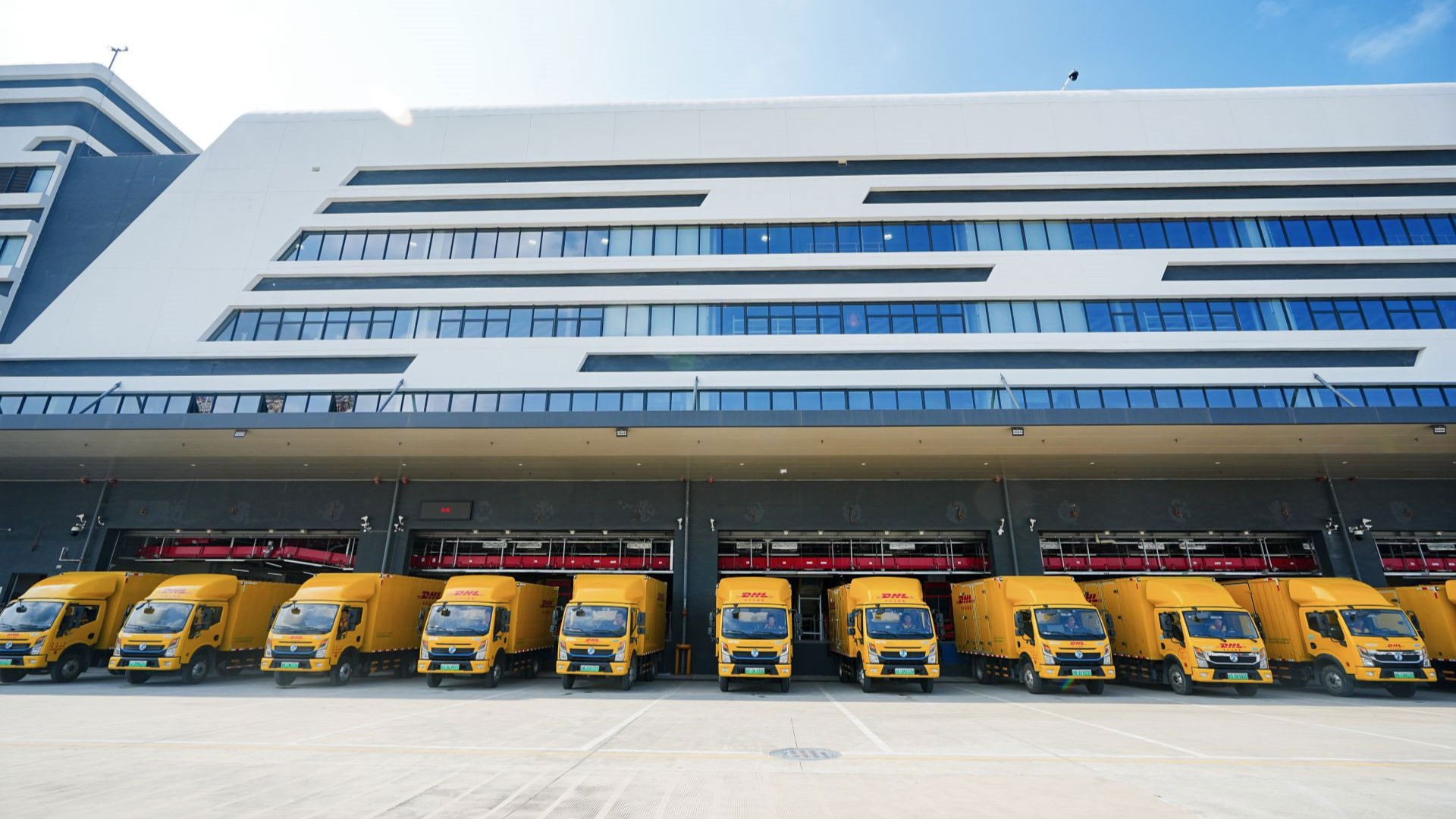
 DHL Express triples Shenzhen air cargo capacity with $204M terminal expansion
DHL Express completed a $204 million expansion of its super gateway at Shenzhen Bao'an International Airport, tripling daily cargo capacity to 992 tons and enabling more direct flights. Once fully built out, annual throughput is expected to exceed 286,000 tons, about 10 times the previous gateway's volume, according to China Daily News via FreightWaves.
 Logistics
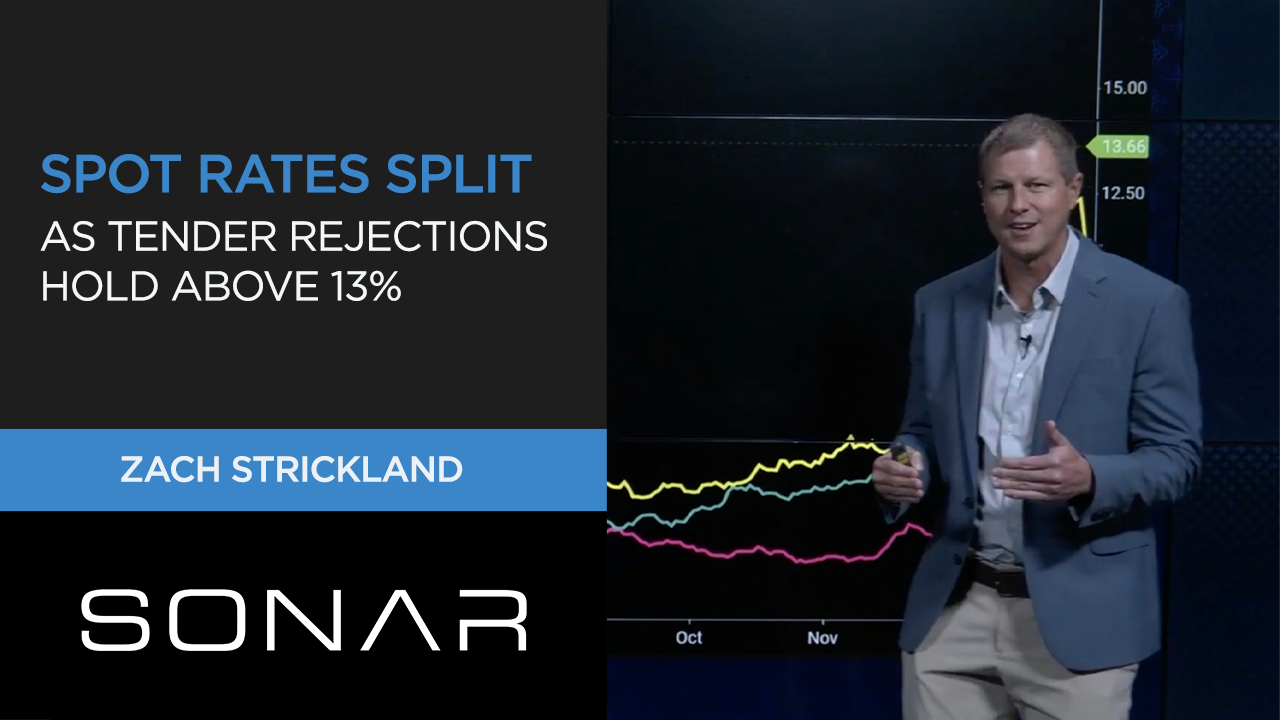
 Spot Rates Split as Tender Rejections Hold Above 13%
Truckload tender rejections are holding at 13.5%, more than double the balanced-market range, while demand erodes faster than seasonal norms. Long-haul truckload volumes rose just 2% year over year against an 8% gain for domestic intermodal, and Midwest refrigerated rates are spiking early in protein and grain corridors. Zach Strickland's SONAR update details a three-way spot rate split across flatbed, reefer and dry van.
 Commodities
 India’s planned coal mining capacity nearly doubles to 638 mtpa in 2025
India's proposed coal mining capacity nearly doubled to 638 mtpa in 2025, accounting for almost all growth in the global coal project pipeline, according to Global Energy Monitor. The expansion supports New Delhi's output targets but carries demand-side risks as the IEA forecasts coal demand will plateau by 2030.
 Logistics
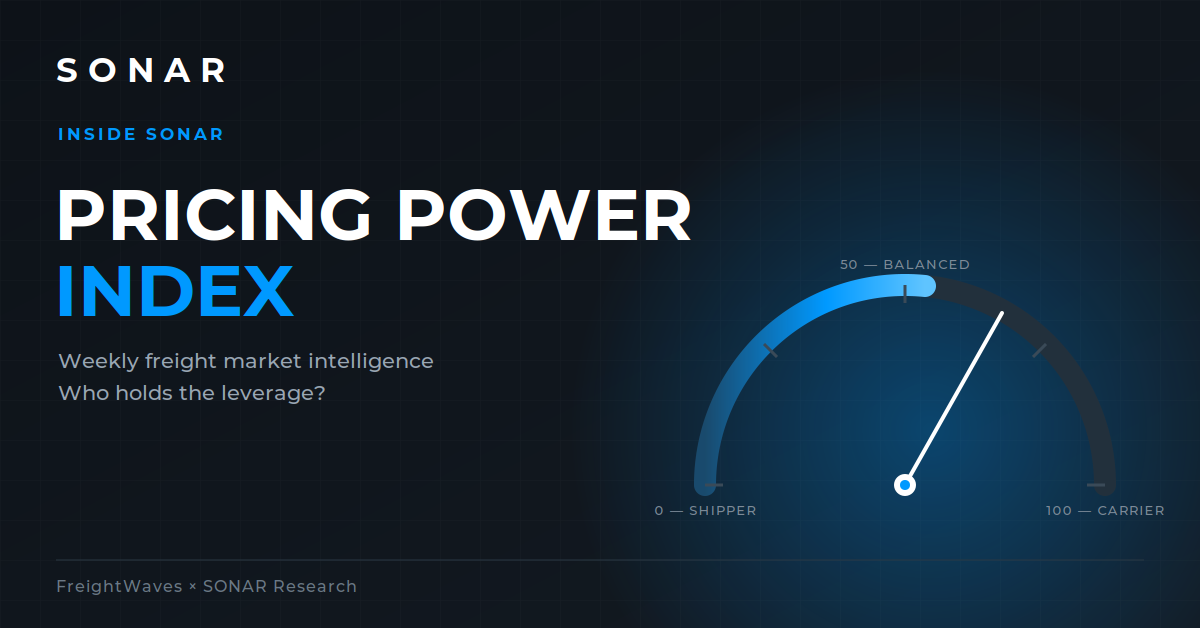
 SONAR Pricing Power Index Slides Five Weeks as Carrier Leverage Eases
SONAR's Pricing Power Index has slid for five consecutive weeks since peaking in mid-July, according to FreightWaves, as capacity eased and rail and ocean demand signals cooled. The spot-to-contract spread has narrowed from a record high, giving shippers stronger negotiating leverage. The three-month forecast has pulled back, converging with the current reading.
Strong peak demand pumps trans-Pac box rates
Read the full story for in-depth analysis.
 Logistics
 Trucking Capacity Declines: LMI Shows Shifting Trends
The July Logistics Manager Index fell to 68.9% from 71.7% in June as transportation capacity contracted at a faster rate and spot rates softened. Truckload contract rates held 18% above year-ago levels at $271 plus fuel, while Operation Highway Shield removed more than 750 unsafe trucks from the road. FreightWaves analysts expect continued tightening through late August.
 Commodities
 Floating Wind to Supply One-Third of UK Offshore Capacity by 2050, Heligan Report Says
A new Heligan infrastructure report, covered by Splash247, forecasts floating offshore wind could account for one-third of UK offshore wind capacity by 2050, delivering 175TWh a year. However, no UK port is currently equipped for commercial floating wind deployment, creating a critical bottleneck as project pipelines grow.
 Logistics
 Truck Capacity Tightens as Shippers Pay More for Less Freight
Shippers moved less freight in Q2 2026 but paid sharply more, as truck capacity tightened and spot rates converged with contract rates, according to the U.S. Bank Freight Payment Index. The National Shipment Index fell 1.1% sequentially while spending rose 6.4%, and fuel costs were not the primary driver.
 Logistics
 Freight Market Update: 5 Signals Capacity Is Tight
Truckload capacity is tightening across the US, with national tender rejections at 14.36% versus a six-month average of 10.9%. FreightWaves SONAR data and Q2 carrier earnings from Knight-Swift, Werner and J.B. Hunt point to supply-driven forces: regulatory removals, durable spot rates, a shrinking driver pool, and record dedicated demand. Shippers and operators should expect the tightness to persist as structural rather than seasonal.
 Logistics
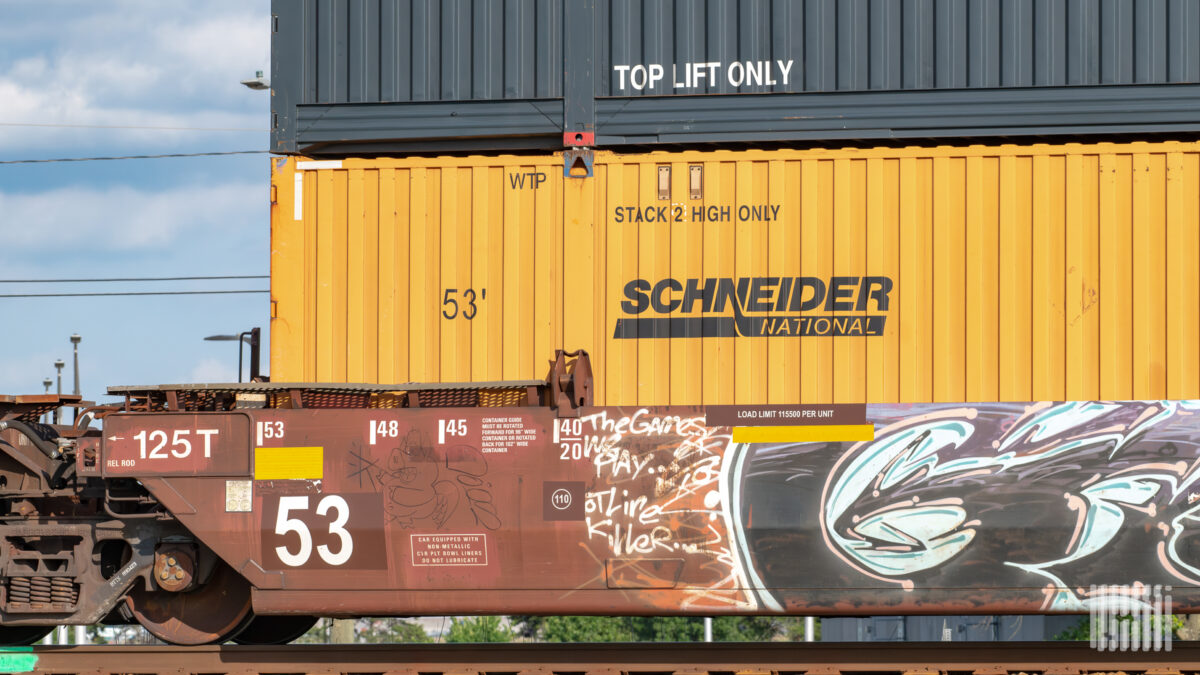
 Schneider National Pushes Price as Truckload Market Imbalance Drives Rate Recovery
Schneider National beat second-quarter expectations, raised its full-year outlook, and reported double-digit contract rate increases in a capacity-constrained truckload market. The company described the rate recovery as early-stage, with spot market activity in June resembling the prior cycle peak of March 2021.
 Logistics
 Carriers Gain Leverage: Become a Shipper of Choice to Win Capacity, Says Covenant SVP
Carriers have entered their strongest negotiating position in years, giving them leverage to prioritize shippers offering predictable, steady freight volumes. Covenant Transport SVP Tyson Wimberly shared strategies at the Univar Carrier Kickoff, highlighting regulatory constraints, insurance cost inflation, and driver pay variability as key challenges. Shippers must become a 'shipper of choice' to win capacity.
 Logistics
 HMM pauses new container ship orders, shifting focus to tankers and gas carriers
Hyundai Merchant Marine (HMM), South Korea's flag carrier, is pausing finalization of newbuild orders for at least ten 13,000-TEU LNG dual-fuel container ships planned for the second half of 2026, instead focusing on Suezmax tankers, MR petroleum tankers, VLGCs, and LNG carriers. The shift comes amid warnings of newbuild-driven oversupply, geopolitical cost pressure, and trade policy risks, according to the company's Q1 2026 earnings release.
 Logistics
 Freight Rates Soar on Capacity Crunch, Not Demand: Q2 Earnings Confirm Tight Market Through 2027
Major carriers' Q2 earnings reports indicate the freight market is tightening due to capacity constraints rather than surging demand, with spot rates at $3.53 per mile and contract rates up 18% year-over-year. Regulatory pressures and high barriers to entry are keeping capacity tight, while Brent crude oil at $100 per barrel adds fuel cost pressure. FreightWaves analysts expect the cycle to persist through at least 2027.
 Logistics
 Trucking Capacity Tightness Persists as Regulatory Pressures and Driver Shortages Squeeze Supply
Trucking capacity remains tight as regulatory pressures and driver shortages push tender rejections well above historical norms. Spot rates are holding steady even as diesel prices fall, signaling that capacity constraints—not fuel costs—are driving rates. Carrier earnings from Knight-Swift, Werner, and J.B. Hunt show gains from supply-side tightness rather than demand recovery, with capacity expected to remain constrained through fall and into 2025.
 Logistics
 AI Data Centers Create 'Capacity Tax' Driving Up Flatbed Freight Rates for Shippers
AI data center construction is absorbing flatbed capacity, driving up rates for traditional bulk shippers in a soft market. IntelliTrans' Blake Azell explains the 'capacity tax' and offers four steps for shippers to navigate the structural shift.
 Logistics
 Is This Trucking Market Different? Why Capacity Won't Flood Back In
Triumph Financial CEO Aaron Graft explains that increased litigation, regulation, and legislation are acting as barriers to entry in the trucking market, preventing the surge of new capacity seen in previous cycles. This structural shift suggests tight market conditions may persist longer than expected, impacting profitability and driver availability for freight operators.
 Logistics
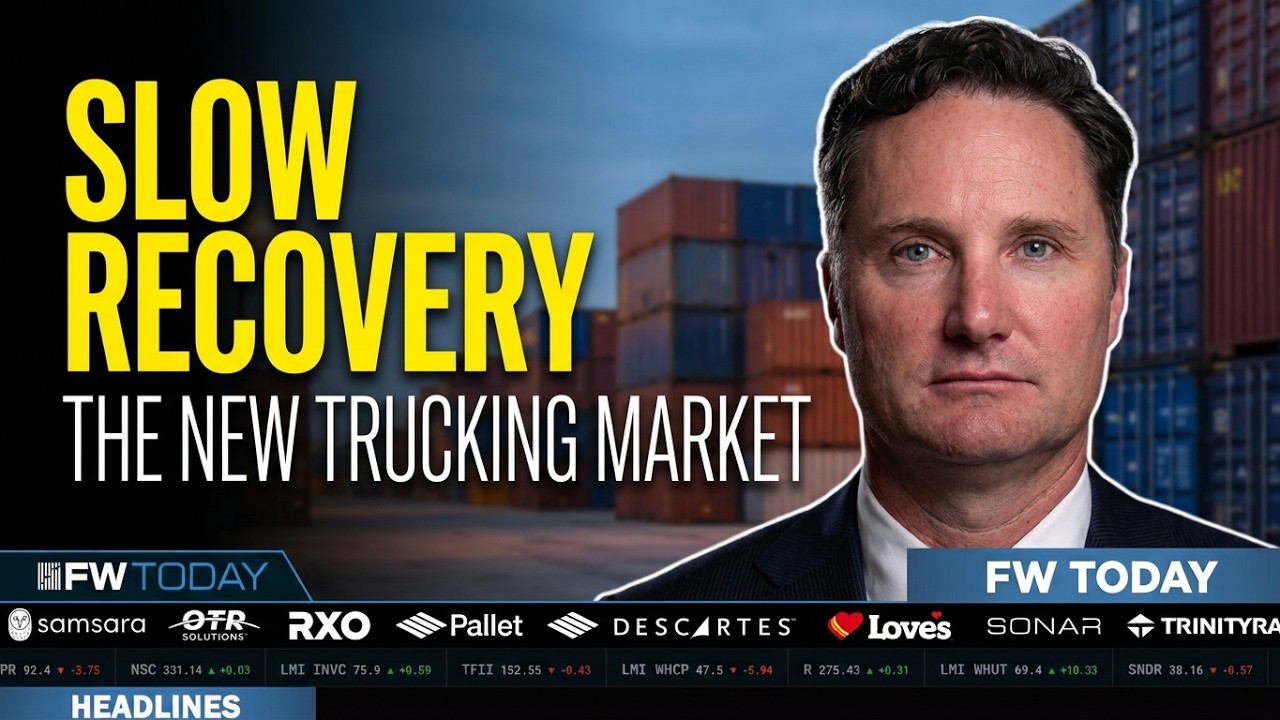
 Is This Trucking Market Different? Why Capacity Won't Flood Back In
Triumph Financial CEO Aaron Graft argues that the current trucking upcycle is more structural than cyclical, with litigation risk, regulatory pressure, and a tight driver market preventing a surge of new capacity. Despite broker margin compression, load sizes are growing, and Triump's factoring data shows a 26% quarter-over-quarter rise in average invoice size, indicating supply tightening rather than demand surge.
 Logistics
 Shippers face tighter capacity as trucking rates hold near record highs
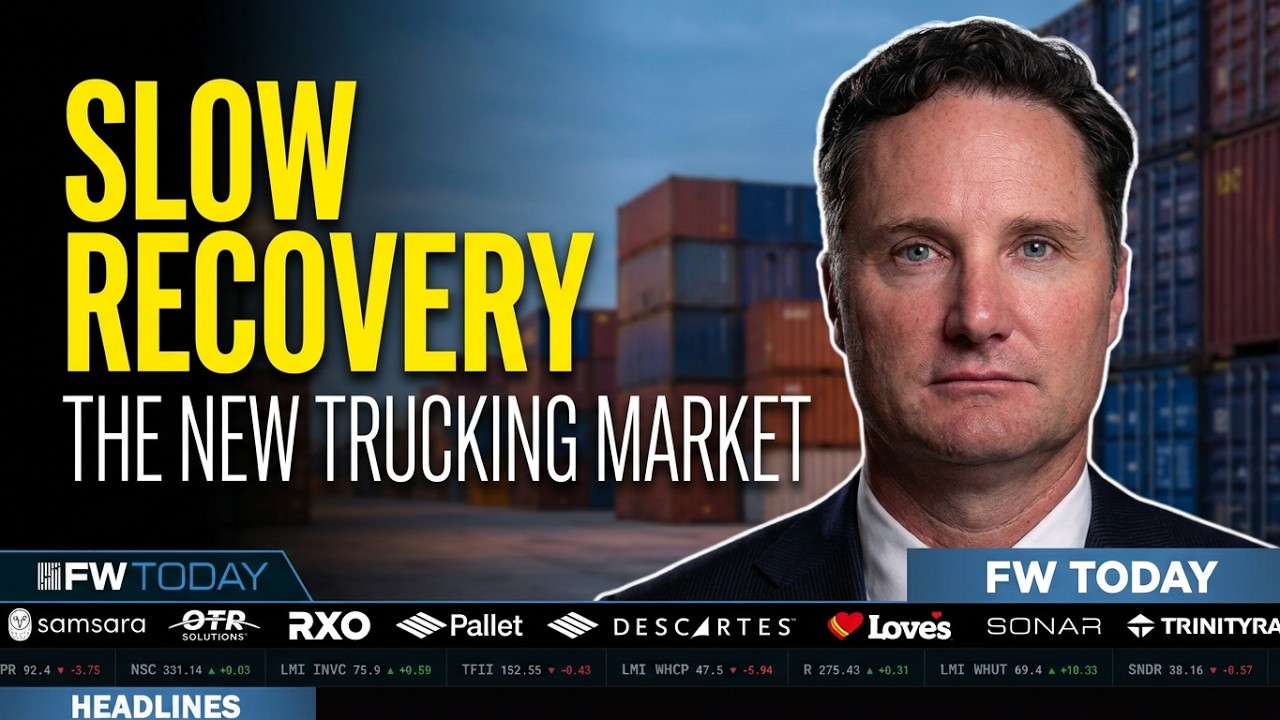
ACT Research's June For-Hire Trucking Index shows freight rates holding near record territory while capacity continues to tighten. The Freight Rate Index fell to 70.2 from May's record 79.7, but remains among the strongest readings in 17 years. Driver availability remains deeply depressed due to new FMCSA regulations, keeping pressure on rates.
 Logistics
 Trucking Capacity Won't Flood Back In: Why This Market Is Structurally Different
Increased litigation, regulation, and legislation are acting as barriers to entry in the trucking market, preventing the surge of new capacity seen in previous upturns. According to Aaron Graft, CEO of Triumph Financial, this structural shift suggests tight market conditions may persist longer than anticipated, impacting profitability and driver availability.
 Logistics
 Regulatory capacity cleanup fuels Knight-Swift's bullish outlook as truckload rates climb
Knight-Swift Transportation reported better-than-expected second-quarter results as regulatory actions continue to remove non-compliant capacity from the truckload market. The carrier saw contract rates climb throughout the period, with tender rejection rates reaching twice the industry average, and expects momentum to intensify in September.
 Commodities
 German Offshore Wind Adds 1.1GW in H1 2026 as Industry Demands Reform
Germany added 1.1GW of offshore wind capacity in the first half of 2026, bringing total installed capacity to 10.8GW. Industry associations, led by BWO, are urging the government to replace the negative bidding system with contracts for difference to improve bankability and attract investment for future projects.
 Logistics
 Trucking Market Update: International Container Spot Rates Surge 400% as Retail Peak Season Looms
International container spot rates have surged 400%, according to FreightWaves CEO Craig Fuller. The domestic trucking market remains quiet but strong intermodal activity and an anticipated surge of long-haul volume from the West Coast signal a tightening freight market ahead of the retail peak season. Regulatory crackdowns are further impacting capacity.
 Commodities
 India overtakes Spain to become world's fourth-largest LNG regasification market with 52.5 mtpa capacity
India's LNG regasification capacity reached 52.5 million tonnes per annum (mtpa) in 2025, making it the fourth-largest market globally after Japan, China, and South Korea, according to the International Gas Union (IGU) World LNG 2026 report. Utilisation declined to 47% due to weaker summer imports and new capacity additions. The report also highlights the resilience of the global LNG market amid Middle East conflict and strong long-term demand drivers.
 Logistics
 DHL Forwarding Charters Boeing 777 Cargo Jets to Expand Transpacific Capacity
DHL Global Forwarding has launched dedicated Boeing 777 cargo flights from Hanoi, Taipei, and Bangkok to Cincinnati and Chicago, increasing Transpacific capacity. The service, operating three times per week, offers shippers predictable schedules and stable rates, with Kalitta Air operating the Hanoi-Chicago leg. DHL is the latest forwarder to time-charter aircraft for the Asia-US lane, following similar moves by Ceva, Kuehne+Nagel, and DSV.
 Logistics
 Dunkirk starts work on second container terminal, expanding capacity to 2m TEU
The port of Dunkirk has commenced construction of its second container terminal, a €303m project that will more than double box handling capacity from 850,000 TEU to approximately 2m TEU. The new deepwater quay, awarded to a Spie Batignolles-led joint venture, will accommodate two ultra-large containerships simultaneously and is expected to be completed by 2029. The expansion follows a record 2025 throughput of 747,000 TEU and the reinstatement of CMA CGM's Ocean Alliance FAL1 service.
 Commodities
 India needs 500,000 tonnes refined copper capacity every 5 years to meet demand: ICA
India will require roughly 500,000 tonnes of additional refined copper capacity every five years to keep pace with rising demand, according to International Copper Association India (ICA India) Managing Director Mayur Karmarkar. Copper demand grew 9.3% to 1,878 kilo tonnes in FY25, driven by strong growth in building construction (11% yoy) and infrastructure (17% yoy). Despite planned capacity additions from Hindustan Copper, Hindalco, and Kutch Copper, domestic production remains insufficient to meet long-term demand.
 Logistics
 July 4th Heatwave Drives Reefer Spot Rates and Tender Rejections Near All-Time Highs
A severe heatwave across the Eastern US, with heat index values reaching 114°F, is pushing reefer spot rates and tender rejections to near all-time highs. The July 4th holiday weekend is compounding capacity constraints as shippers shift from dry van to refrigerated transport to protect goods, driving massive demand for beverages.
 Logistics
 ITS Logistics warns shippers budgeting flat face capacity reckoning as pain builds
ITS Logistics president Ryan Martin warns that shippers budgeting flat transportation spend face significant pain as market tightens. Driver exits, carrier closures, and high inventory carrying costs are building pressure. The post-pandemic inventory overhang is clearing slowly, with SKU rationalization and a shift to wholesalers like TJX Companies.
 Logistics
 Container shipping's resilience test yields mixed results as analysts debate recovery speed vs worsening delays
A Sea-Intelligence chart tracking recovery times from container shipping disruptions since 2012 reveals faster recoveries, but analysts say the industry has traded speed for stability, with worsening underlying delays. Experts from Drewry, Freightos, Xeneta, and the TPM conference offer competing interpretations of the data.
 Logistics
 Executives Discuss Tech, Port Drayage, and Capacity Strategies on FreightWaves Today
During a FreightWaves Today episode, executives from Evans Network, Transportation Equipment Network, Steam Logistics, and Fura discussed critical topics including port drayage optimization, Midwest logistics visibility, API-driven booking, and collaborative capacity networks for mid-sized shippers.
 Logistics
 Truckload market cycle: Supply-driven tightening but capacity rebalancing may be near
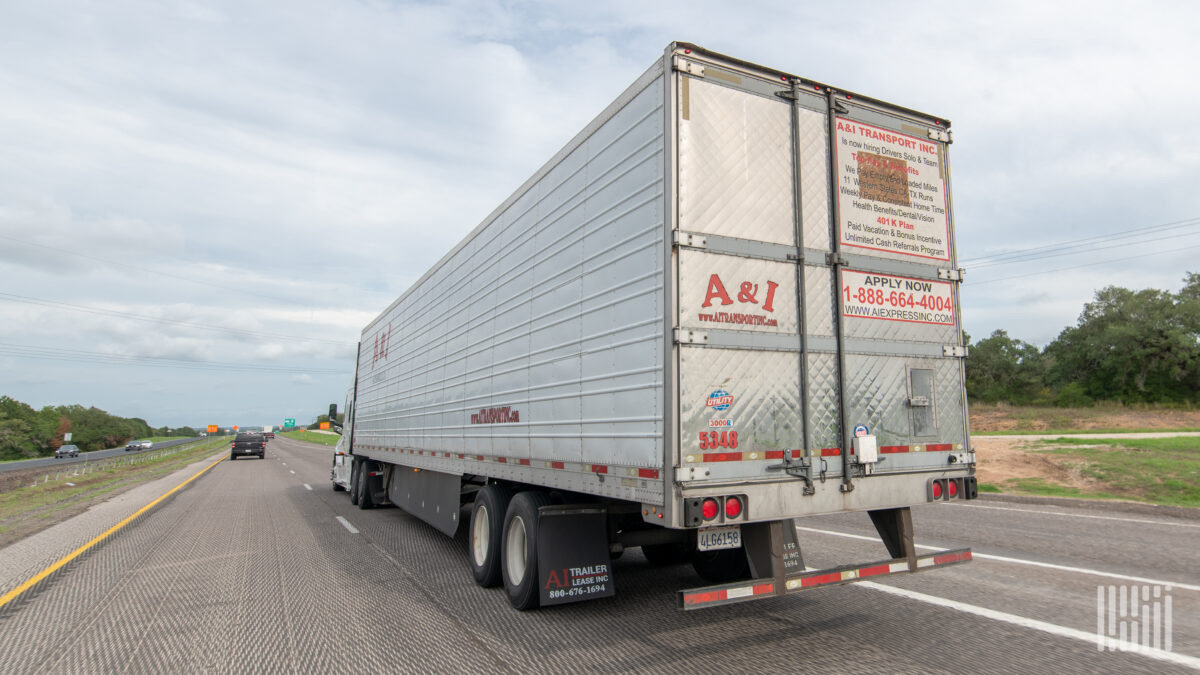
The truckload market is experiencing a supply-driven tightening with tender rejection rates above 16%, but demand growth is modest compared to previous cycles. According to FreightWaves, carriers are roughly 12–14% underserved relative to demand, but netting the current rejection rate against a normal baseline suggests a balanced or oversupplied market may be nearing as capacity slowly returns.
 Commodities
 Storage in India’s 166 Major Reservoirs Drops to 27.5% of Capacity on Monsoon Deficit
Storage in India's 166 major reservoirs dropped to 27.5% of total capacity this week, driven by a deficient South-West Monsoon due to El Niño. Rainfall since the monsoon began is 48.5 mm versus a normal of 80.6 mm, a 40% deficit as of June 18. Central India, key for kharif production, recorded a 62% deficit, raising concerns for crop sowing.
 Commodities
 India's Power Generation Capacity Crosses 530 GW, Set to Hit 600 GW Next Year
India's power generation capacity has crossed 530 GW and is expected to reach nearly 600 GW next year, driven by rapid additions in renewable energy, thermal power, and battery storage. A senior Power Ministry official highlighted record peak demand of 270 GW and outlined plans for 97 GW of thermal, 100 GW of nuclear, and over 44 GW of battery storage capacity, along with a Rs 20,000 crore CCUS support package.
 Commodities
 Govt Says All Refineries Operating at High Capacity with Adequate Crude Inventories and Sufficient Stocks of Petrol, Diesel
The Indian government announced that all refineries are operating at high capacity with adequate crude inventories and sufficient stocks of petrol and diesel. Joint Secretary Sujata Sharma detailed LPG delivery figures, restrictions on bulk purchases of petrol and diesel, and fertilizer stock positions. Additionally, an LNG carrier safely transited the Strait of Hormuz.
 Commodities
 Global Offshore Wind Capacity on Track to Quadruple to 420 GW by 2035
A new report from the Global Wind Energy Council (GWEC) forecasts that global offshore wind capacity will quadruple to 420 GW by 2035, driven by a 24% CAGR between 2026 and 2030. In 2025, over 9 GW were added, bringing cumulative capacity to 92.5 GW. China led with 6.6 GW of new installations, while Europe added 2 GW.
 Supply Chain
 India's Reservoir Levels Threaten Supply Chain Stability
India's reservoir levels have fallen below 30% capacity, posing significant risks to supply chains reliant on water resources. This situation demands strategic inventory management and supplier diversification to mitigate potential disruptions.
 Logistics
 E-commerce Logistics Providers Boost Capacity in Great Plains
Rush Order and Encore Fulfillment are expanding their logistics capacity in the Great Plains with new facilities in Dallas-Fort Worth and Oklahoma City. This expansion enhances their ability to serve e-commerce clients with faster delivery times.
 Supply Chain
 India's Reservoir Storage Crisis: Strategic Implications
India's reservoir storage has plummeted to 30% capacity, posing significant risks to supply chains reliant on water resources. Strategic responses are crucial for resilience.