
Topic
inventory
 Supply Chain
 Fashion Retail’s Inventory Race Shifts From 'Less Stock' to 'Smarter Stock'
Supply chain and merchandising leaders at the ETRetail ShopFWD Summit 2026 argued that cutting inventory across the board is less effective than building 'smart inventory' — deeper stock behind proven sellers and controlled breadth on experimental lines. The shift prioritises availability, replenishment speed and SKU-level accuracy over aggregate stock targets.
 Manufacturing
 Used Truck Supply Falls Below COVID Floor, Driving Strong Pricing and Carrier Gains
Used sleeper truck inventory has fallen below its COVID-era floor, pushing prices sharply higher and enabling carriers to sell aging equipment at a gain, according to Daimler Trucks Remarketing President Chris Backeberg. Microprocessor shortages from 2021-2023 and carriers holding trucks longer tightened supply, while day cab demand accelerates with port and intermodal activity. Backeberg sees tight supply continuing for 12 to 18 months.
 Commodities
 U.S. Diesel Crack Spread Hits Record $102 a Barrel, Signaling Q4 Supply Crunch
The U.S. diesel crack spread hit an all-time record of roughly $102 a barrel on August 17, 2026, according to Reuters figures cited by FreightWaves, with distillate inventories at the lowest level for that time of year since 1996. The spread, four to six times normal, points to a refining and supply crunch rather than a crude oil problem. FreightWaves frames it as an early-warning signal for diesel buyers heading into Q4.
 Supply Chain
 Supply Chain Shock: Why Halloween Candy Is Out in Summer
Retailers are stocking Halloween candy in August as a deliberate hedge against tariff uncertainty, causing front-loaded imports and widespread overstock. Sotira CEO Amrita Bhasin says the trend spans most consumer categories and is colliding with demand shifts from GLP-1 drugs and food-dye concerns. The result is mounting reverse-logistics costs, with 45% to 50% of e-commerce returns going directly to landfill.
India Inc Stockpiles Essential Parts and Raw Materials Ahead of Festive Season Amid West Asia Crisis
Facing renewed West Asia tensions and shipping disruptions, Indian companies are stockpiling essential parts and raw materials by up to 20% ahead of the festive season. Parle Products, Zydus Wellness, and Super Plastronics are among those building buffers to prevent stock-outs and production delays.
 Commodities
 India's Crude Oil Inventory Nears One-Year High on Strong Imports After US-Iran War Depletion
India's crude oil inventories have recovered to near a one-year high at 104 million barrels at end-June, according to Kpler, up from 90.5 million in April. The rebound was driven by strong imports, including record Russian crude purchases exceeding 2.5 million bpd, after stocks were depleted during the US-Iran conflict that disrupted flows through the Strait of Hormuz. The current inventory is sufficient for about 21 days of consumption.
 Manufacturing
 Semaglutide therapy market faces Rs 100 crore excess stock after initial rush
The Indian semaglutide therapy market is facing an excess stock of approximately Rs 100 crore, with stockists holding 50-60 days of inventory after a sharp slowdown in May sales. The market had surged following patent expiry in March but growth slowed drastically, leading to a halt in fresh procurement from pharmaceutical companies.
 Commodities
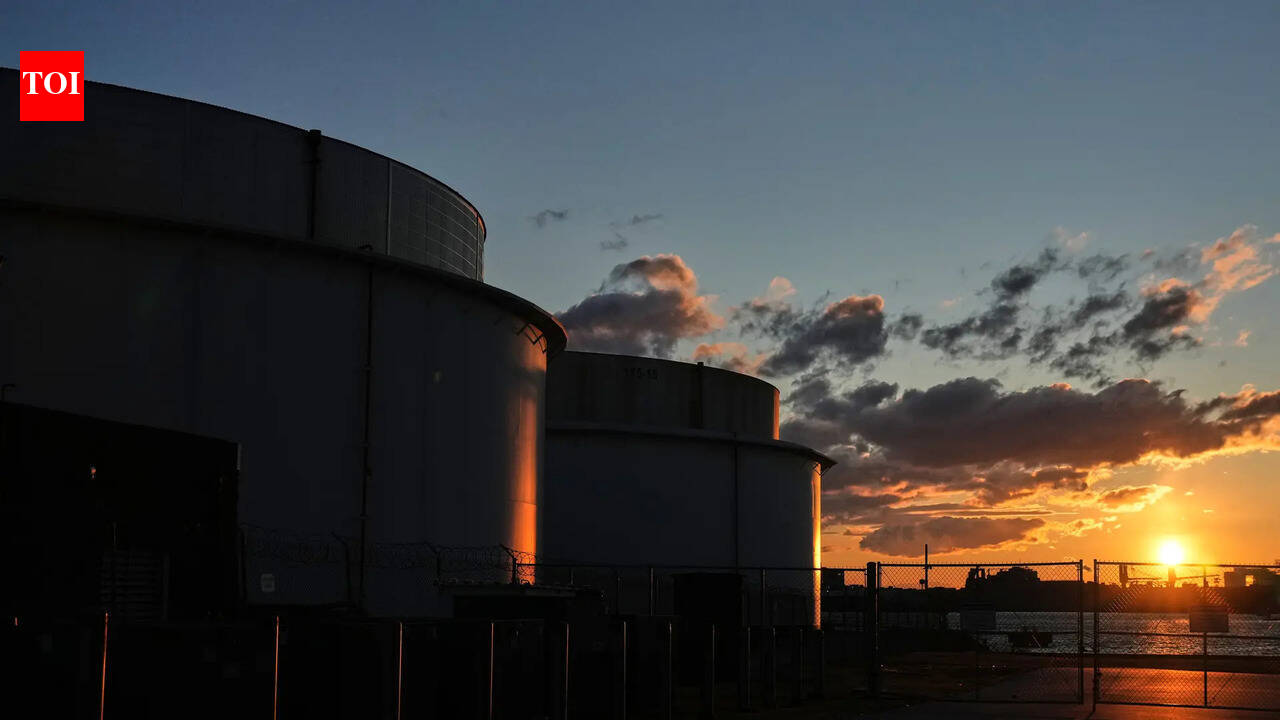
 US Strategic Petroleum Reserve Falls to Lowest Level Since 1983 Amid Iran Conflict
The US Strategic Petroleum Reserve (SPR) has fallen to 340.3 million barrels as of June 12, 2026, the lowest since July 1983. The Trump administration released 8.9 million barrels over the past week, part of 75 million barrels drawn since the war with Iran began in late February. Industry officials warn the reserve could face operational constraints if the drawdown continues, with replenishment not expected before hurricane season.
 Supply Chain
 India's Reservoir Levels Threaten Supply Chain Stability
India's reservoir levels have fallen below 30% capacity, posing significant risks to supply chains reliant on water resources. This situation demands strategic inventory management and supplier diversification to mitigate potential disruptions.