
Topic
trade-policy
 Trade
Trade Trump Tariffs Fail to Dent India's Export Dependence on US; Share Stays Near 20%
The US remains India's largest export market at roughly 20% of shipments despite tariff rates peaking at 50%. Exports to the US reached $88.5 billion in the 12 months through July, while New Delhi accelerates FTA negotiations to diversify trade.
 Trade
Trade India's exports to US hold firm after a year of Trump's tariffs
US tariffs peaked at 50% on Indian goods before falling to 10%, yet the US still accounts for about 20% of India's exports. India signed trade deals with the UK, EU, Oman and New Zealand to diversify, while exports to China surged 42%.
 Trade
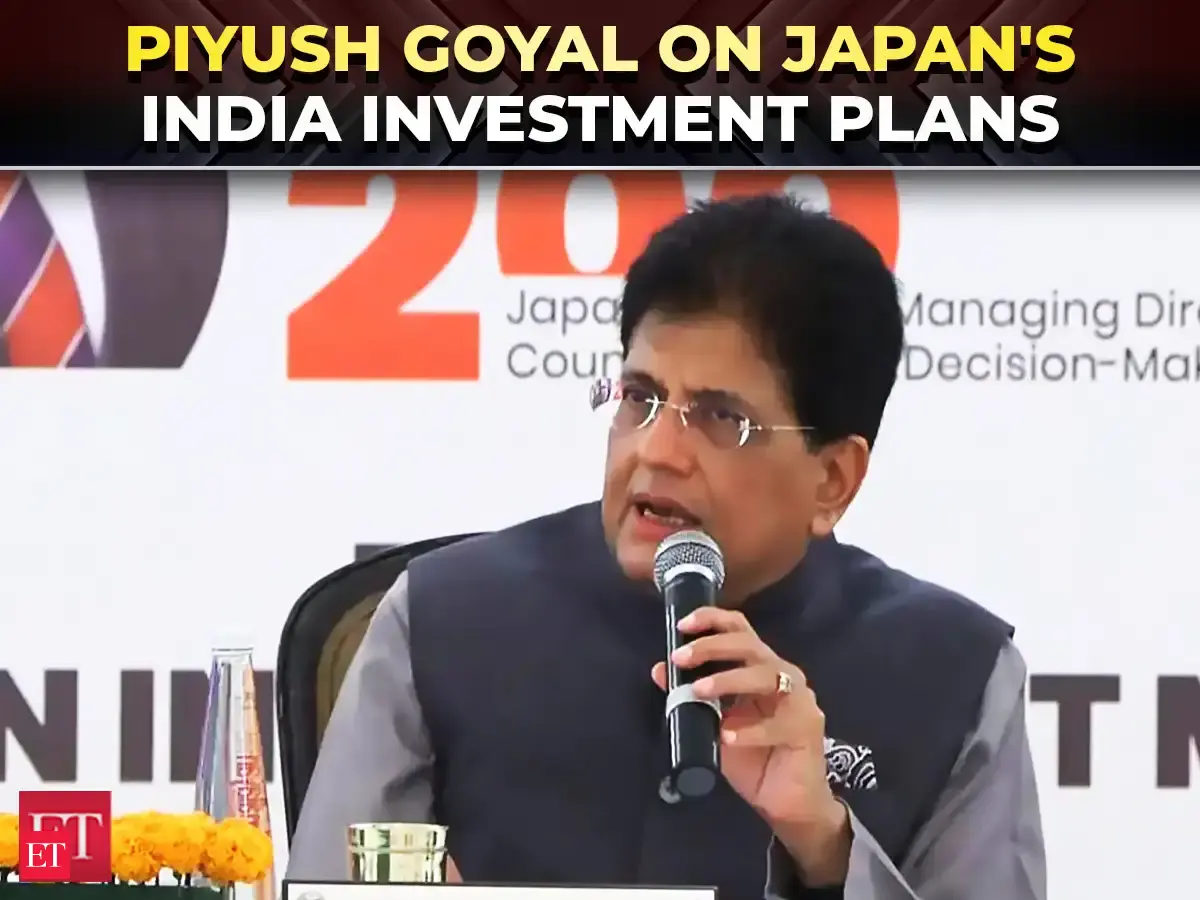
Trade India-Japan Trade at USD 27.5 Billion in FY 2025-26 Still Fraction of Potential: Piyush Goyal
Union Commerce and Industry Minister Piyush Goyal said bilateral trade between India and Japan stood at around USD 27.5 billion in FY 2025-26, calling it still a fraction of the potential. Addressing the UP-Japan Investment Meet 2026, he noted a target of 10 trillion yen in Japanese investment in India over the next decade.
 Trade
Trade India Seeks WTO Consultations With US Over 50% Tariff-Rate Quota on Quartz Surfaces
India has approached the WTO for consultations with the US over a new tariff-rate quota of up to 50% on quartz surface product imports. The move follows India's $380 million in exports in FY26 and marks the fourth such consultation case with Washington.
 Trade
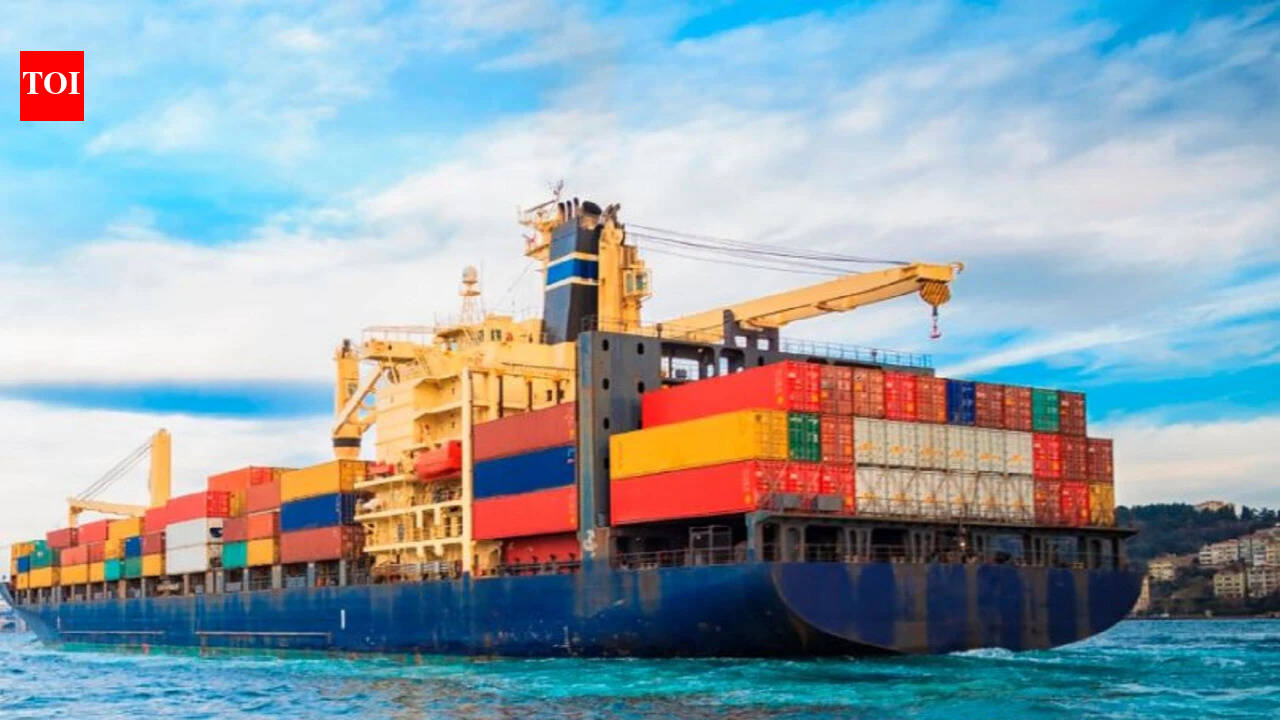
Trade India’s engineering exports surge to $13.77 billion, Niti Aayog calls for regulation
India's engineering services exports grew to $13.77 billion in 2024-25 from $1.77 billion in 2014-15, according to a Niti Aayog report, a CAGR of 22.8%. The report also highlighted the absence of a proper regulatory framework for engineers and proposed a central statutory framework for those in construction and infrastructure activities.
 Trade
Trade US report names India among 41 countries enabling Chinese goods to bypass tariffs
A US report titled 'The Great Transshipment Scam' authored by Peter Navarro classified India and 40 other countries as enablers of Chinese tariff evasion. The report estimated $67 billion in US-bound goods were trans-shipped through Mexico, India, and Vietnam in 2025, costing $28 billion in lost tariff revenue. It named India's Pune-Gujarat-Chennai belt among 'Ugly Sister City pairs' enabling the practice.
 Commodities
 Russia now supplies more than half of India's crude oil imports, GTRI says
Russia accounted for 52% of India's crude oil imports in July 2026, up from 48.6% in June, according to GTRI. The report says the shift sharply limits India's ability to reduce Russian purchases at short notice, even as the US threatens tariffs of up to 100% on Russian energy.
 Trade
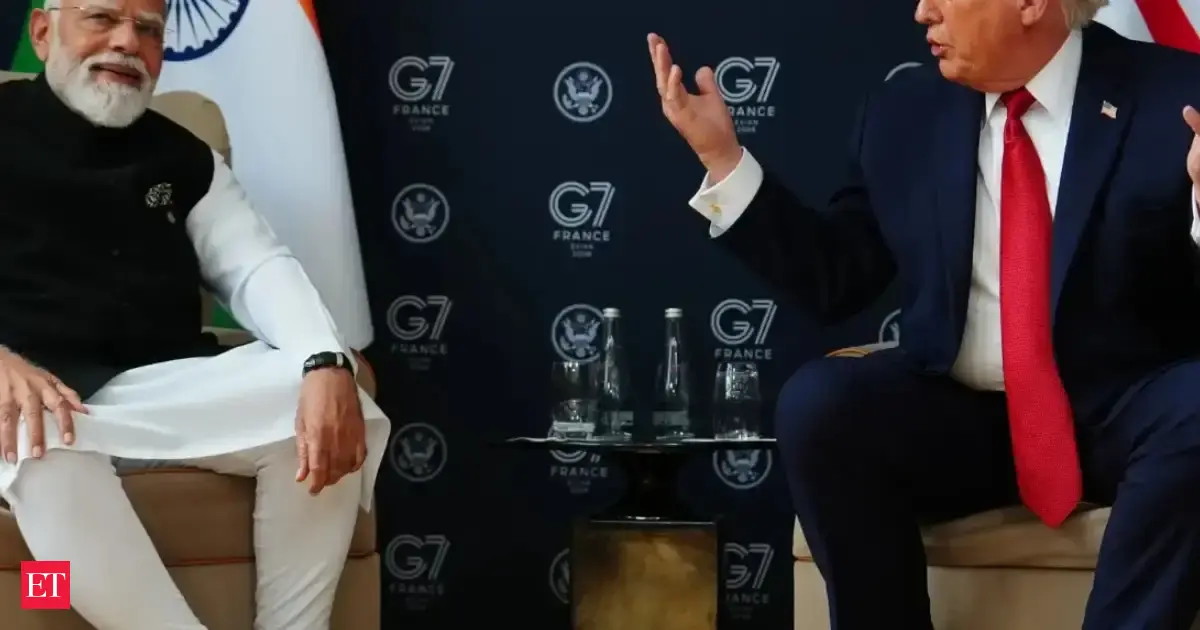
Trade India in 'regular contact' with US on trade deal, says Commerce Secretary Rajesh Agarwal
Commerce Secretary Rajesh Agarwal said India remains in regular contact with the US on the bilateral trade agreement. The first phase, finalised in February, awaits US movement on tariff advantage. India exported $87 billion goods to the US in FY26.
 Trade
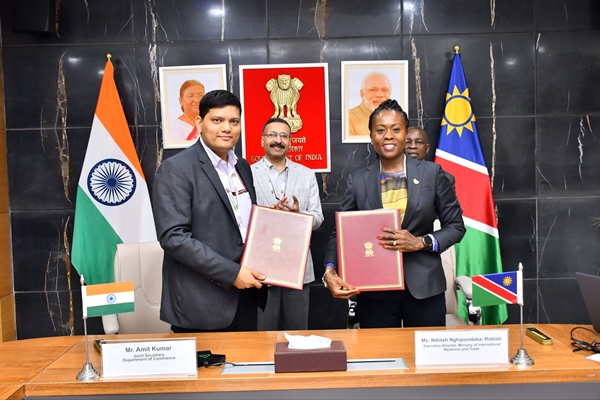
Trade India and Namibia Agree to Move Bilateral Trade Beyond Raw Materials Toward Value Addition
The Fourth India-Namibia Joint Trade Committee concluded in New Delhi, with both sides agreeing to move bilateral trade beyond raw-material composition toward value addition within Namibia, according to the Ministry of Commerce and Industry. Officials signed agreed minutes and committed to concrete mechanisms with timelines. Bilateral merchandise trade rose to over $592 million in 2025-26 from $568 million in 2024-25.
 Trade
Trade Trump extends Jones Act waiver for 90 days despite mounting maritime opposition
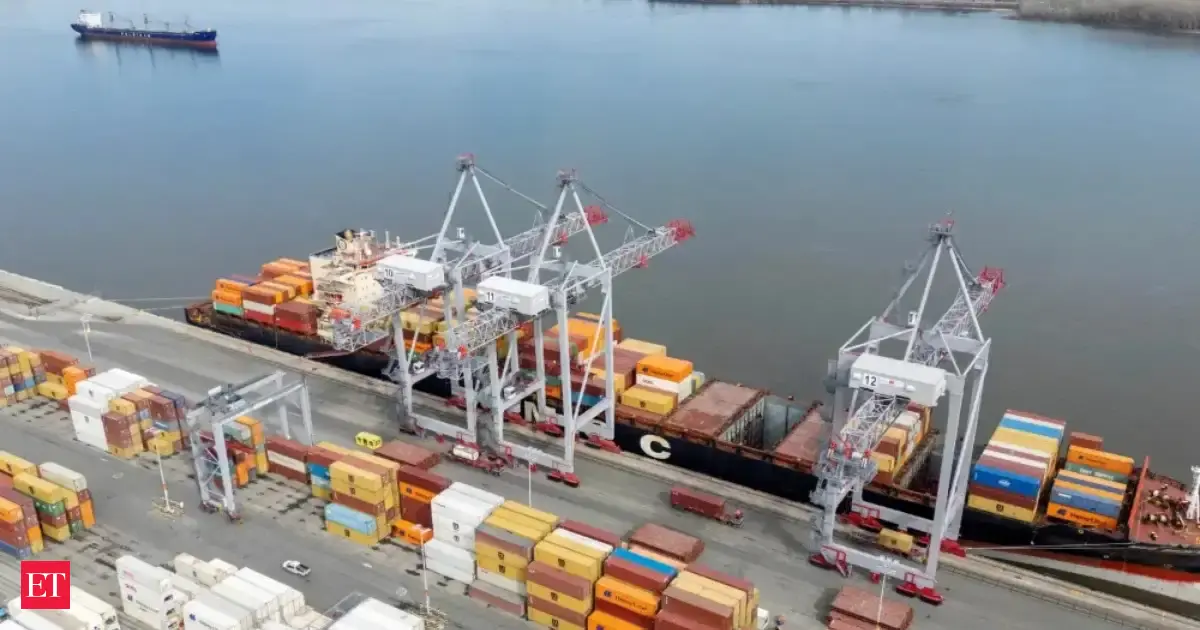
US President Donald Trump has extended for another 90 days the unprecedented waiver allowing foreign-flagged ships to move oil and other commodities between American ports, despite fierce opposition from the domestic maritime industry. The extension takes effect August 17 and now requires individual voyage review by the Pentagon and the Maritime Administration, focusing on energy and agricultural commodities.
 Trade
Trade Indonesia and India Discuss Proposal to Create Preferential Trade Agreement
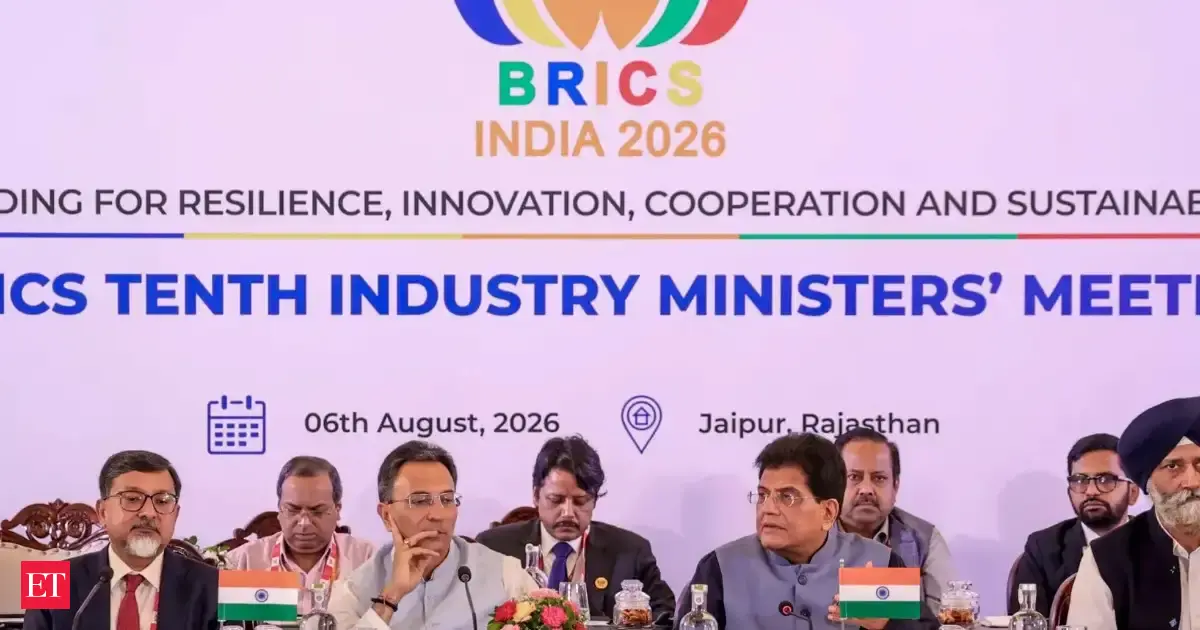
Indonesia and India held talks on a proposed preferential trade agreement during the BRICS Trade Ministers' Meeting in Jaipur on August 7. The ministers also reviewed AITIGA progress and the WGTI mechanism. Bilateral trade reached US$11.89 billion in the first half of 2026.
 Trade
Trade India amends FDI rules to boost e-commerce for small businesses, artisans, farmers, fishermen
India has amended its FDI regulations to facilitate large-scale e-commerce trade in handlooms, handicrafts, textiles, footwear and food products, according to Union Minister Piyush Goyal. The announcement followed the BRICS Trade and Industry Ministers' Meeting in Jaipur. Goyal said the move will benefit farmers, fishermen, small businesses and traditional sectors, and confirmed India does not support a common BRICS currency.
 Trade
Trade More exporters leveraging free trade pact benefits as certificate of origin issuance doubles
Certificate of origin issuance in India more than doubled from 3.6 lakh in 2021-22 to over 7.8 lakh in 2026-27 so far, indicating higher FTA utilisation. Exports to FTA partner countries grew 25% to USD 43.14 billion, lifting their share in total exports to 33.4%. Minister Jitin Prasada informed the Rajya Sabha that India's trade deficit with China widened to USD 112.16 billion in the last fiscal.
 Trade
Trade Finance Minister Nirmala Sitharaman Targets Single-Digit Customs Duties by 2027-28 Budget
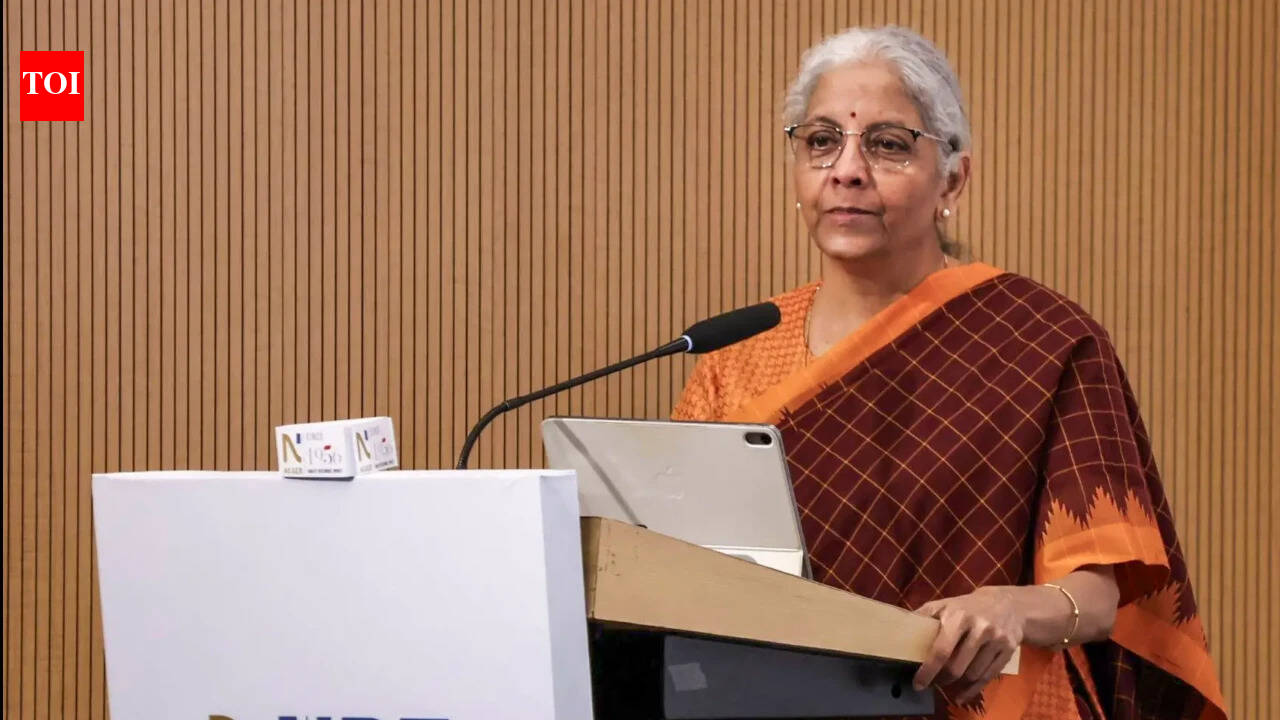
Finance Minister Nirmala Sitharaman said lowering customs tariffs will be a focus in the next budget, targeting single-digit duties by 2027-28, according to Business Today. Speaking at the CD Deshmukh Memorial Lecture organised by NCAER, she also discussed state borrowing discipline and the necessity of public debt.
 Trade
Trade Tariff Rationalisation Set to Continue, More Steps Likely in FY28 Budget: FM
Finance Minister Nirmala Sitharaman said tariff rationalisation will continue, with more steps likely in the FY28 Budget, according to the Economic Times. India's simple average tariff stood at 15.8% in 2025, per WTO data. She also proposed customs duty exemptions for energy security and aviation manufacturing, and concessional-duty sales by SEZ units in the domestic tariff area.
 Trade
Trade India may rationalise most customs tariffs by budget 2027-28, Nirmala Sitharaman says
According to Economic Times, India's Finance Minister Nirmala Sitharaman announced plans to rationalise most customs tariffs by budget 2027-28. The overhaul is expected to simplify trade procedures and make imports and exports more predictable and cost-effective for businesses.
 Trade
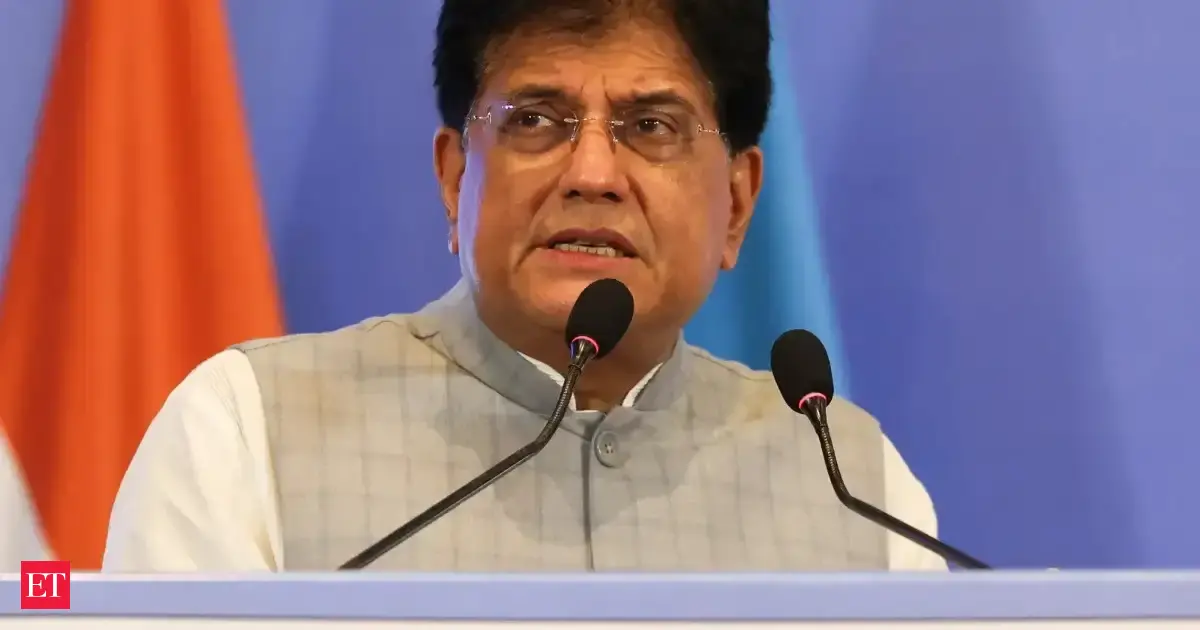
Trade Piyush Goyal likely to visit US for G20 trade ministers meet next month
Union Commerce Minister Piyush Goyal is likely to visit the US for the G20 trade ministers meet beginning September 30, according to The Economic Times. The visit is expected to include bilateral meetings on boosting two-way commerce, with the India-US bilateral trade agreement and the US additional 10% tariff as key backdrop.
 Trade
Trade India's exports from SEZs up 11.8% in 2025-26, government data shows
India's exports from special economic zones grew 11.8% in 2025-26, according to government data cited by the Economic Times. Pharmaceutical exports rose from USD 15.43 billion in 2014-15 to USD 31.12 billion in 2025-26. The government also disclosed Certificates of Origin issued under the UAE, Australia and Oman trade pacts.
 Trade
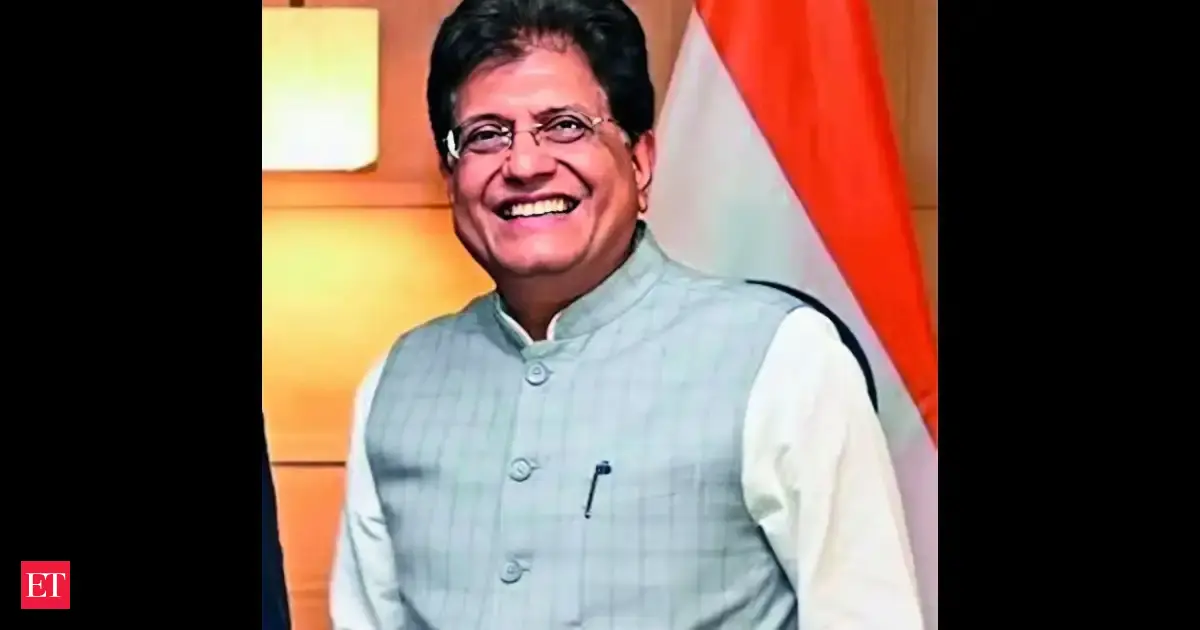
Trade India, Uzbekistan should double bilateral trade in three years, says Piyush Goyal
At the India-Uzbekistan Business Forum, Piyush Goyal said bilateral trade between India and Uzbekistan, currently about $1.5 billion, should double in three years. He cited complementary strengths, invited co-investment and co-manufacturing, and referenced a recently concluded Bilateral Investment Treaty to boost investor confidence.
 Trade
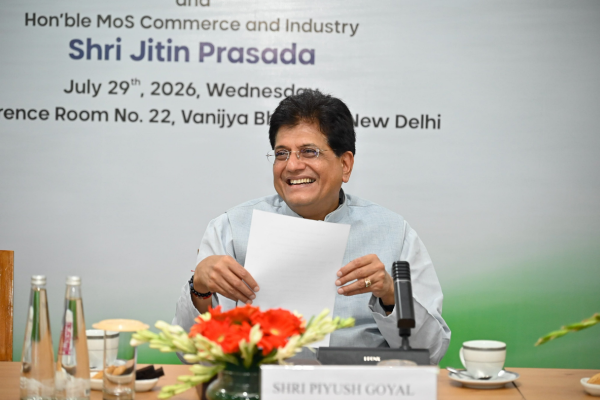
Trade Commerce Minister Piyush Goyal Reviews Export Ecosystem with Councils and Industry Bodies
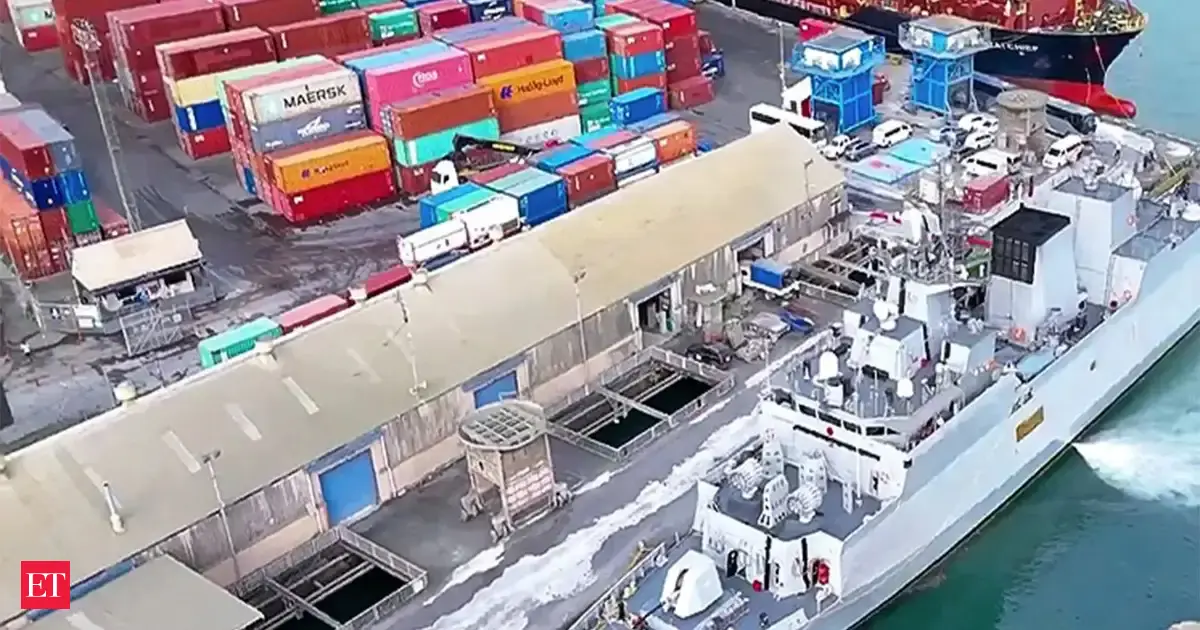
Commerce and Industry Minister Piyush Goyal held a meeting with Export Promotion Councils and Industry Associations in New Delhi to review measures aimed at strengthening India’s export ecosystem. The discussions focused on leveraging Free Trade Agreements, promoting the Brand India initiative through quality-led exports, improving logistics and trade facilitation, and expanding market access. The meeting aligns with the government's vision of Viksit Bharat.
 Trade
Trade Import restriction on low-priced PVC resin may push domestic prices: GTRI
The Directorate General of Foreign Trade (DGFT) has imposed a minimum import price (MIP) of USD 0.766 per kg on Suspension Grade Polyvinyl Chloride (S-PVC) Resin for six months, requiring imports below that threshold to obtain a license. According to trade think tank GTRI, the measure is expected to increase domestic PVC resin prices but is unlikely to significantly reduce India's heavy dependence on imports, as domestic production meets only 36% of demand.
 Trade
Trade Kazakhstan Eyes Stronger Trade Ties with West Bengal Across Multiple Sectors
Kazakhstan is looking to expand trade and investment ties with India's West Bengal state, according to a report. At an interactive session organized by the Merchants' Chamber of Commerce & Industry (MCCI), Kazakh representative Azamat highlighted sectors such as pharmaceuticals, mining, energy, and manufacturing for cooperation. Trade between the two countries remains below potential despite Kazakhstan's abundant resources.
 Trade
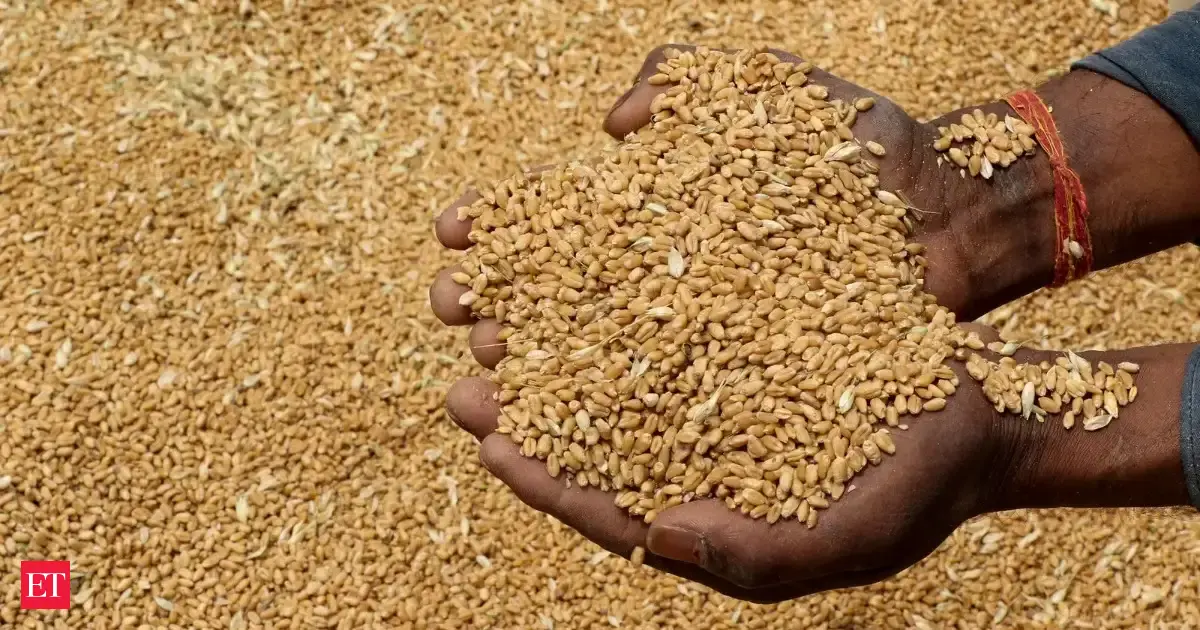
Trade Global wheat rally revives India's export prospects as government allows 5 million tonnes of exports
India has authorised the export of 5 million tonnes of wheat after a four-year ban, according to the Economic Times. The decision follows a global wheat rally and a domestic surplus of 57.8 million tonnes in the central pool. The government had previously allowed an additional 2.5 million tonnes in April 2026.
 Trade
Trade US Imposes 10% Tariff on India Under Forced Labour Probe; Oil Prices Surge
The US Trade Representative has announced a permanent 10% additional tariff on India and 16 other countries under Section 301 for allowing imports of goods produced with forced labour. The levy, lower than the proposed 12.5%, replaces a temporary duty and is unlikely to have a major impact. Separately, Indian crude basket surged 11% to $103.33 per barrel amid supply disruptions.
 Trade
Trade New U.S. Tariffs Target Imports From China, Mexico, Canada and 57 Other Economies
The Trump administration replaced its temporary 10% global tariff with a new Section 301 tariff regime covering 60 economies that account for 99.4% of U.S. imports. The duties, ranging from 10% to 12.5%, took effect July 24, 2026, and are based on forced labor investigations. Hundreds of product exemptions and tariff-rate quotas for textiles were also announced.
 Trade
Trade India Reiterates Commitment to Open, Rules-Based Multilateral Trading System at WTO Review
India has reiterated its commitment to an open, inclusive, transparent and rules-based multilateral trading system during the final session of its Eighth Trade Policy Review at the WTO in Geneva. Commerce Secretary Rajesh Agarwal said WTO reform should remain development-oriented and preserve policy space for developing countries, while highlighting India's tariff reforms, customs simplification measures and FTA strategy.
 Trade
Trade Canadian PM Mark Carney Rules Out Retaliatory Tariffs Before August 19 Deadline
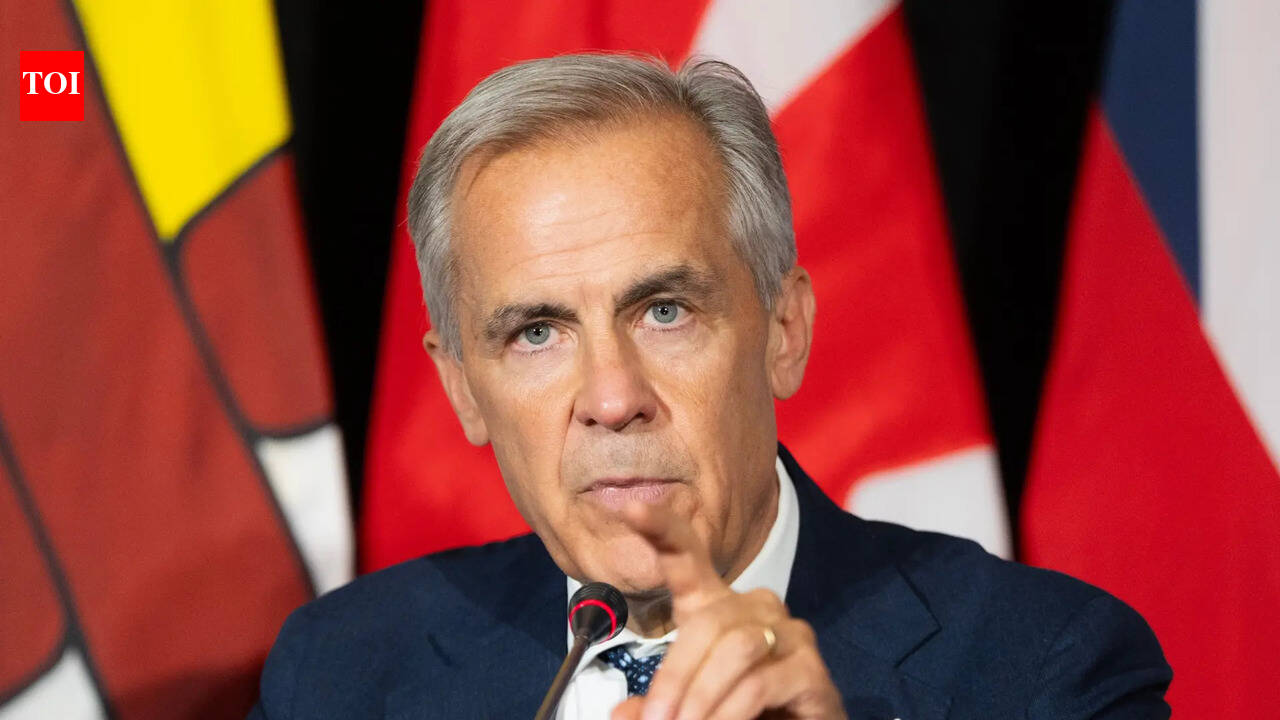
Canadian Prime Minister Mark Carney stated that Canada will not impose retaliatory tariffs before the August 19 deadline set by US President Donald Trump's proposed 50% tariffs. He described advance retaliation as 'counterproductive' and emphasized ongoing negotiations. The tariffs target a broad range of Canadian exports, with an estimated impact of C$28 billion annually.
 Trade
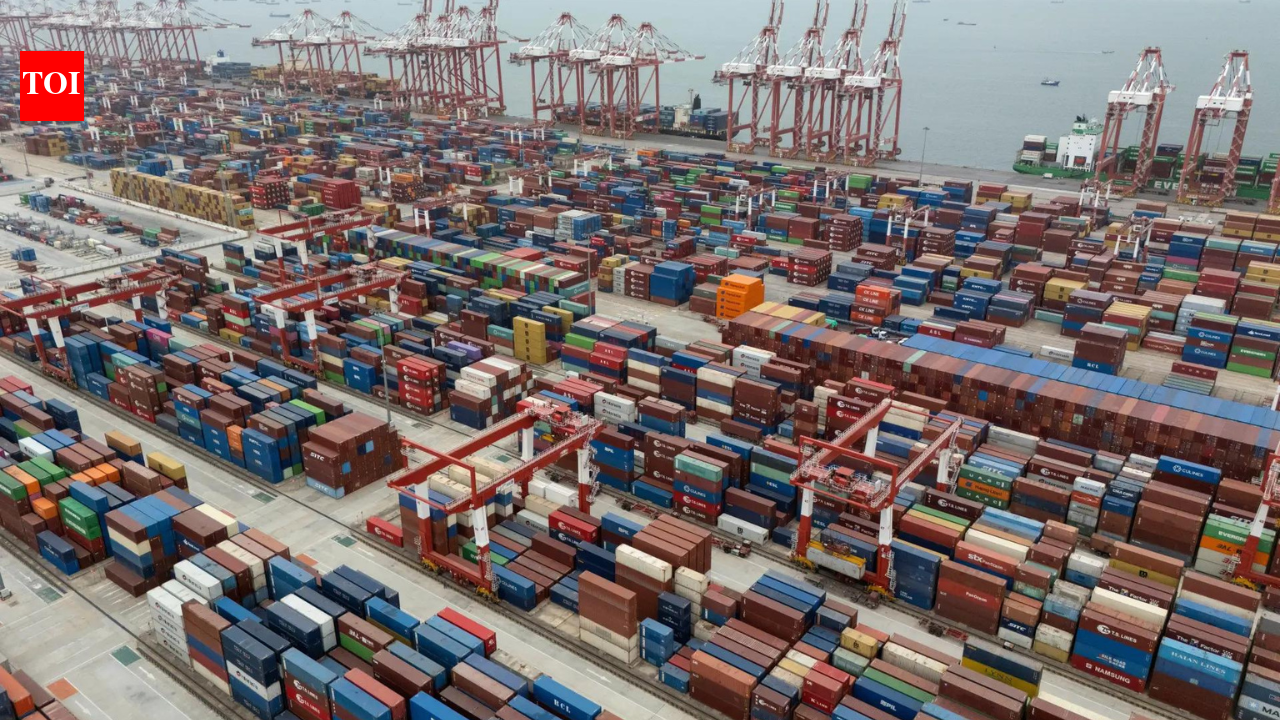
Trade US Imposes Fresh Tariffs of Up to 12.5% on 60 Economies Over Forced Labour; India Gets Lower 10% Rate
The Trump administration announced new tariffs of 10% and 12.5% on imports from 60 economies under Section 301 of the Trade Act of 1974, targeting countries with inadequate forced labour enforcement. India secured the lower 10% rate following recent policy changes. The tariffs take effect July 3, 2026, replacing temporary global duties.
 Trade
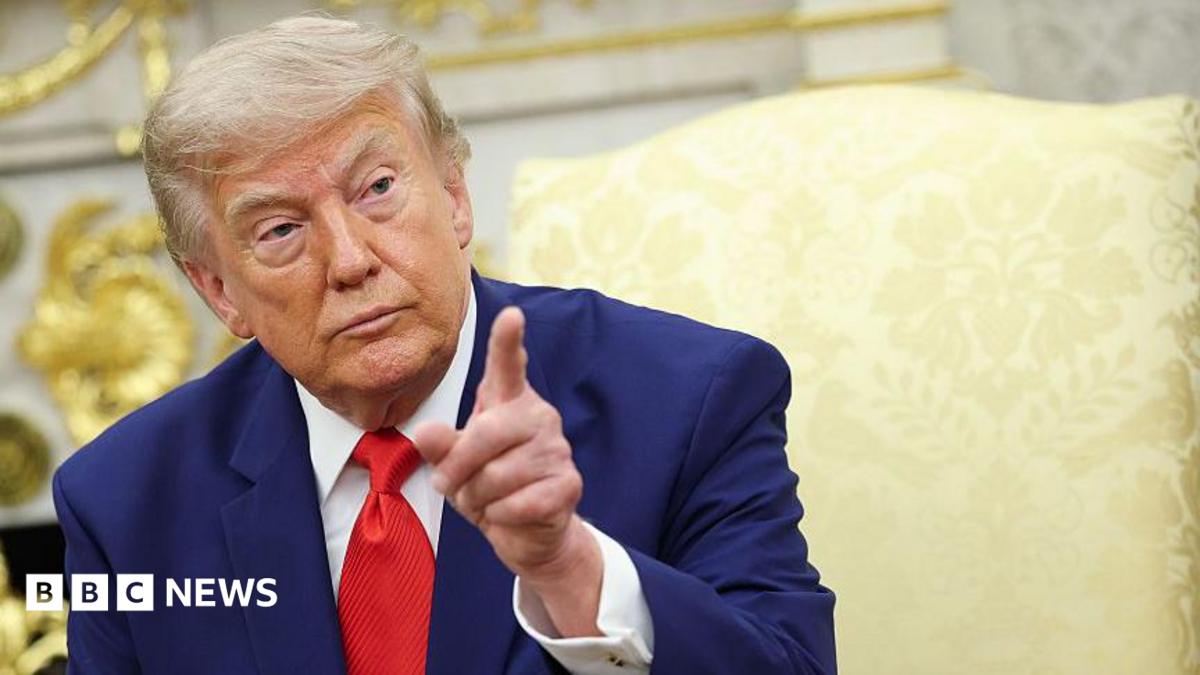
Trade US Imposes New Tariffs on 60 Trading Partners Over Forced Labour Claims
The United States is imposing new tariffs on imports from approximately 60 trading partners over allegations of inadequate action against forced labour. Duties range from 10% to 12.5% and target key economies including the UK, EU, Canada, Japan, and India, effective Friday. Canada faces additional 50% duties on some goods. The move escalates the global trade war reignited by President Donald Trump.
 Trade
Trade WTO Nations Query India’s PLI, QCO, Import Substitution; New Delhi Defends Public Policy Objectives
At India's Trade Policy Review, 44 WTO members submitted over 1,090 written questions, with more than 700 answered before the meeting. Concerns focused on predictability and transparency of India's PLI schemes, QCOs, import substitution policies, and other trade measures. New Delhi defended its policies as legitimate public policy objectives.
 Trade
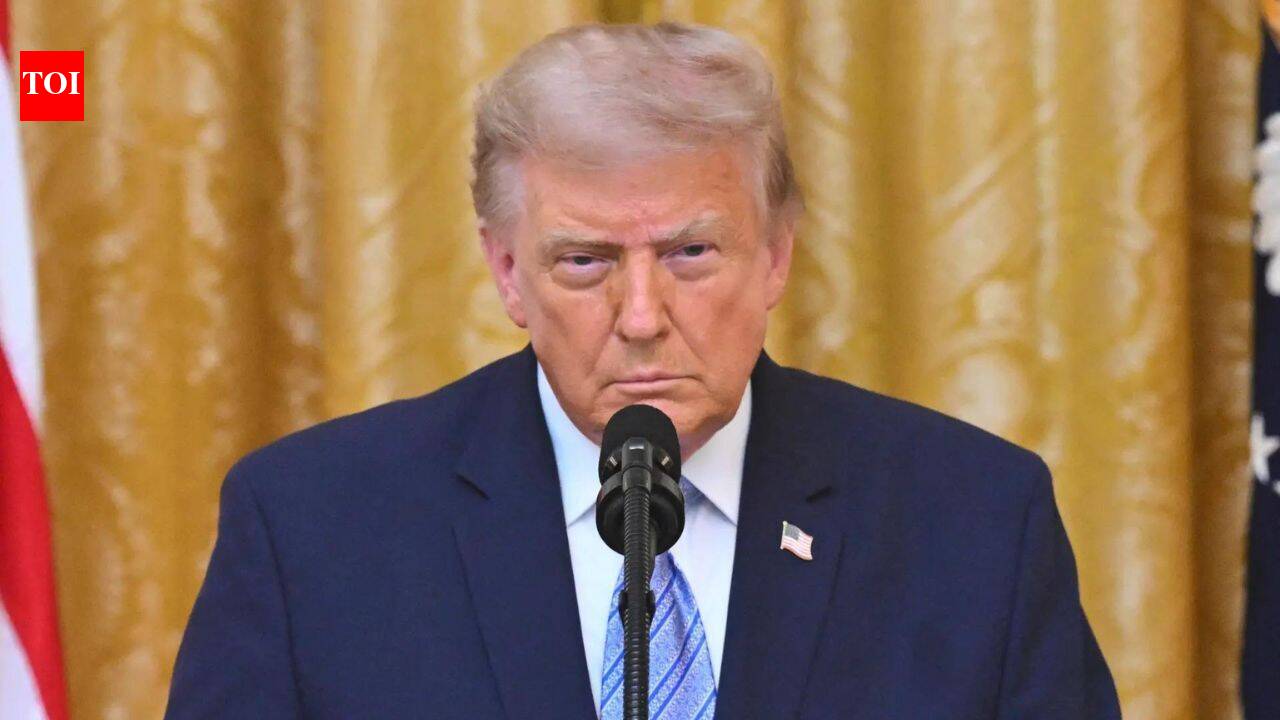
Trade Trump's Phased Tariff Plan on Generic Drugs: 0% for Two Years, Then Up to 200%
President Donald Trump announced a phased tariff plan on imported generic medicines, with zero tariffs for two years from August 1, 2026, followed by 100% for one year and 200% thereafter. The move targets India, which exported $9.7 billion in pharmaceuticals to the US in 2025, accounting for 38% of its total pharma exports. Indian generics supply 47% of US prescriptions and saved the US healthcare system $219 billion in 2022.
 Trade
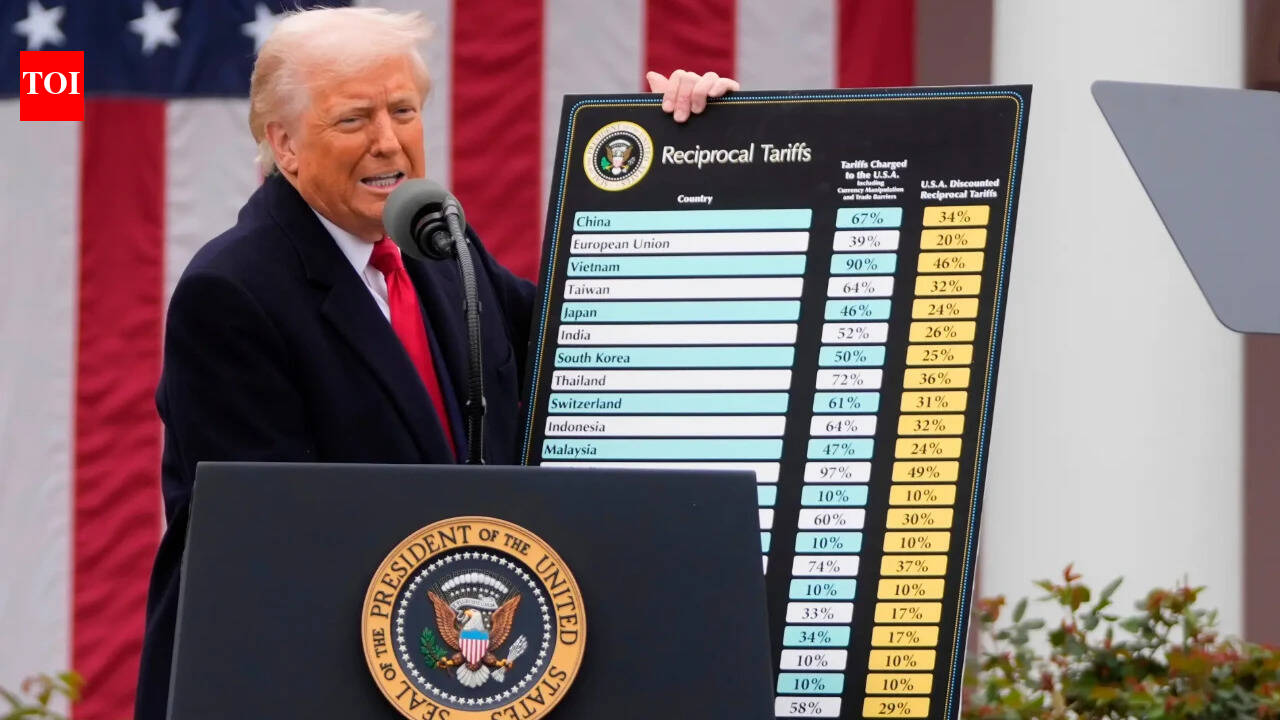
Trade Trump Announces 0% Tariff on Generic Medicines for Two Years; 200% Thereafter
President Trump has announced a 0% tariff on generic medicines for two years, followed by a 200% tariff thereafter, according to Business-Today. The report, dated July 22, 2026, provides no further details on scope, effective date, or enforcement bodies.
 Trade
Trade Trump Prepares New Tariff Wave as India Trade Deal Stalls, Threatening Market Access
President Donald Trump is set to impose new tariffs on up to 60 countries, including India, as a temporary 10% tariff expires Friday. A bilateral trade deal with India remains deadlocked over market access and tariff concessions, while Canada faces a 50% tariff unless it removes alleged barriers.
 Trade
Trade India's Growth Strong but Trade Barriers Threaten 2047 Goal: WTO Trade Policy Review
A WTO Trade Policy Review report highlights India's strong economic growth as the fastest-growing G20 economy, with GDP projected at 6.8-7.2% for FY2027-28. However, it warns that structural challenges including high trade costs, tariffs, and regulatory complexity must be addressed for India to achieve its Viksit Bharat vision of becoming a developed nation by 2047. The report notes India's record exports of $863.1 billion in 2025-26 and a strategic shift towards free trade agreements.
 Trade
Trade Trump Imposes 50% Tariffs on Canadian Goods Retaliating for US Farmer Treatment
US President Donald Trump has imposed a 50% tariff on a wide range of Canadian imports, citing unequal treatment of US farmers, cars, dairy, and alcohol. The White House confirmed the duties will take effect in 30 days, marking a major escalation in trade tensions.
 Trade
Trade WTO Urges India to Cut Reliance on Trade-Restrictive Measures, New Delhi Flags Global Non-Tariff Barriers
The WTO's 8th Trade Policy Review for India urges New Delhi to reduce reliance on high tariffs, import/export controls, and state trading enterprises. India counters by flagging rising non-tariff measures by trading partners that constrain its market access. The TPR meeting is scheduled for July 21 and 23.
 Trade
Trade India Targets 10% Share in Global Merchandise Exports by 2047: WTO Report
India aims to increase its share of global merchandise exports from about 1.8% in 2024 to around 10% by 2047, according to a WTO report. The report highlights export promotion under the Viksit Bharat vision, India's stance on WTO reform, and recent customs duty changes eliminating the highest rates.
 Trade
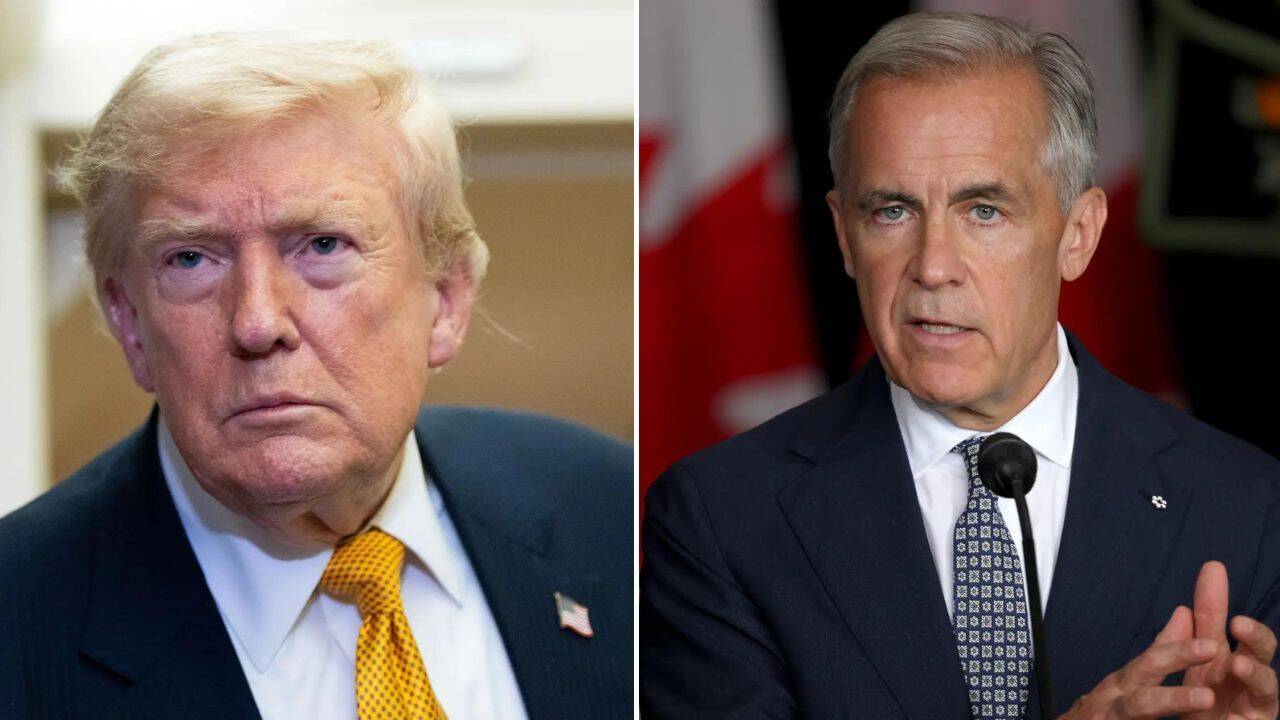
Trade Canada Vows to Protect Workers After Trump Imposes 50% Tariffs on Select Canadian Goods, Calling It a 'Direct Violation' of CUSMA
Prime Minister Mark Carney condemned President Trump's new 50% tariffs on select Canadian goods as a direct violation of CUSMA. The tariffs target motor vehicles, dairy, and alcoholic beverages, set to take effect in 30 days, with exemptions for energy, potash, fish, and critical minerals. Canada pledges to support workers and remains open to negotiations.
 Trade
Trade Trump Imposes New 50% Tariffs on $20 Billion in Canadian Imports Using Section 338
President Trump on Monday announced new 50% tariffs on roughly $20 billion worth of Canadian imports using Section 338 of the Tariff Act of 1930. The duties, effective in 30 days, target Canadian goods after allegations of discrimination against U.S. autos, dairy, and alcohol. Exemptions include energy, critical minerals, and products already covered under Section 232.
 Trade
Trade India and UAE Ministers Hold Talks to Strengthen Trade and Investment Ties in New Delhi
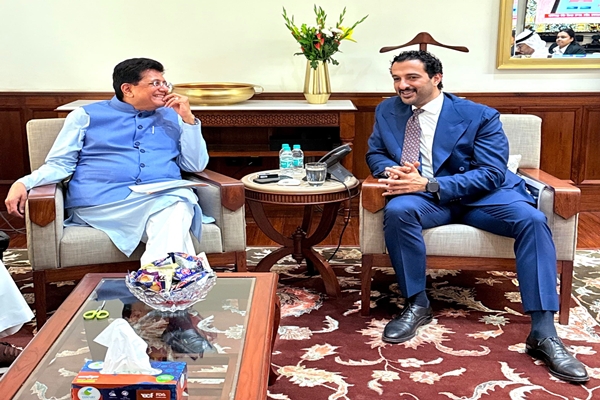
Union Minister Piyush Goyal held a meeting with UAE Minister Abdulla bin Touq Al Marri in New Delhi to explore avenues for strengthening bilateral ties. Discussions covered trade, investment, tourism, and connectivity, reaffirming a shared commitment to unlock new opportunities for businesses and enhance people-to-people ties.
 Trade
Trade India Deposits Instrument of Acceptance for WTO Agreement on Fisheries Subsidies on 20 July 2026
India deposited its Instrument of Acceptance of the WTO Agreement on Fisheries Subsidies on 20 July 2026, becoming a party to the pact. The agreement, adopted in June 2022 and effective from September 2025, prohibits subsidies for illegal, unreported and unregulated fishing and for overfished stocks. It disciplines harmful subsidies for industrial fishing fleets, benefiting small-scale fishers in India, while aquaculture and inland fisheries remain outside its scope.
 Trade
Trade India’s edible oil industry flags 17-fold surge in Nepal imports, seeks policy review
India’s edible oil imports from Nepal have surged more than 17-fold in two years, from 47,295 tonnes in 2023 to over 804,000 tonnes in 2025, according to the Indian Vegetable Oil Producers' Association (IVPA). The industry body is urging a comprehensive policy review under SAFTA, citing duty-free imports that are shifting refining activity outside India and causing an estimated customs revenue loss of ₹2,000–2,500 crore. IVPA President Sudhakar Desai called for stronger verification of Rules of Origin and a review of tariff structures to safeguard domestic value addition.
 Trade
Trade Downstream aluminium industry urges duty cut on primary aluminium and scrap to restore competitiveness
Downstream aluminium manufacturers have urged the Centre to reduce customs duty on primary aluminium and aluminium scrap, stating the current duty structure is hurting MSME competitiveness. In a joint representation to the mines ministry, industry bodies cited an effective import duty of 8.25% on primary aluminium and 2.75% on scrap, which has compressed margins by up to 70% and pushed input costs up 20-35% in the last three months. The associations also flagged the EU's Carbon Border Adjustment Mechanism as a future threat.
 Trade
Trade Textile sector to sew loose ends as FTAs kick in
The operationalisation of the UK-India free trade agreement eliminates tariffs up to 12% on textile exports, bringing parity with competitors. Industry body Indian Texpreneurs Federation expects exports to double to a 12% share in 4-5 years, but experts caution about structural challenges.
 Trade
Trade India-EU Investment Protection Pact, GI Agreements Work in Progress: Piyush Goyal
Union Commerce Minister Piyush Goyal stated that the India-EU investment protection pact and geographical indications agreements are work in progress. Speaking at the India-Estonia Business Forum, he highlighted that trade pacts with the UK, EFTA, and the EU now effectively connect India to the entire European market, opening huge opportunities for businesses on both sides.
 Trade
Trade India-UK FTA Unlikely to Significantly Hurt Domestic Consumer Brands, Industry Leaders Say
Industry leaders including Amul and Britannia say the India-UK Free Trade Agreement is unlikely to significantly hurt domestic consumer brands. Customs duties will be progressively reduced over up to 10 years, with 99% of India's exports gaining duty-free access and India cutting tariffs on 90% of lines covering 92% of UK imports. Premium categories may see increased competition but overall pricing impact expected to be limited.
 Trade
Trade India to Release Export-Oriented Fisheries Policy Focusing on Inland Fishery
India's Animal Husbandry and Fisheries Minister Rajiv Ranjan Singh announced an upcoming export-oriented fisheries policy emphasizing inland fishery, which currently accounts for only 2% of India's fishery exports. He stated that fishery exports jumped by Rs 10,000 crore to over Rs 72,000 crore in 2025-26, crediting free trade agreements. The minister also highlighted transport bottlenecks and directed ICAR to study drone use for connecting inland fisheries to export hubs.
India identifies $51 billion in critical imports for domestic manufacturing push
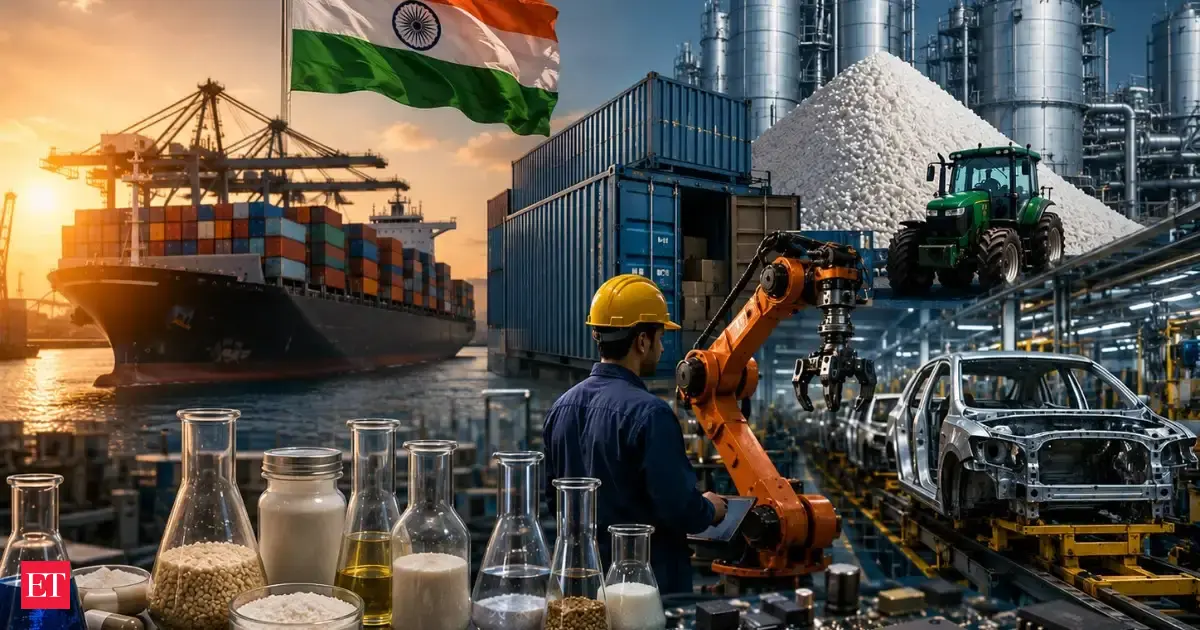
India's internal government analysis has identified $51 billion in critical imports that could be replaced by domestic manufacturing, part of a $398 billion import substitution potential. The move aims to mitigate supply-chain risks and reduce reliance on China.
 Trade
Trade PM Modi pushes to cut import dependence, boost domestic manufacturing to shield India from global shocks
Prime Minister Narendra Modi has ordered a push to replace high-import goods with local products. The Ministry of Commerce is preparing a list of over 100 products, while the cabinet approved a $19.7 billion incentive boost for chip and smartphone production. Economists say self-reliance is born of necessity.
 Trade
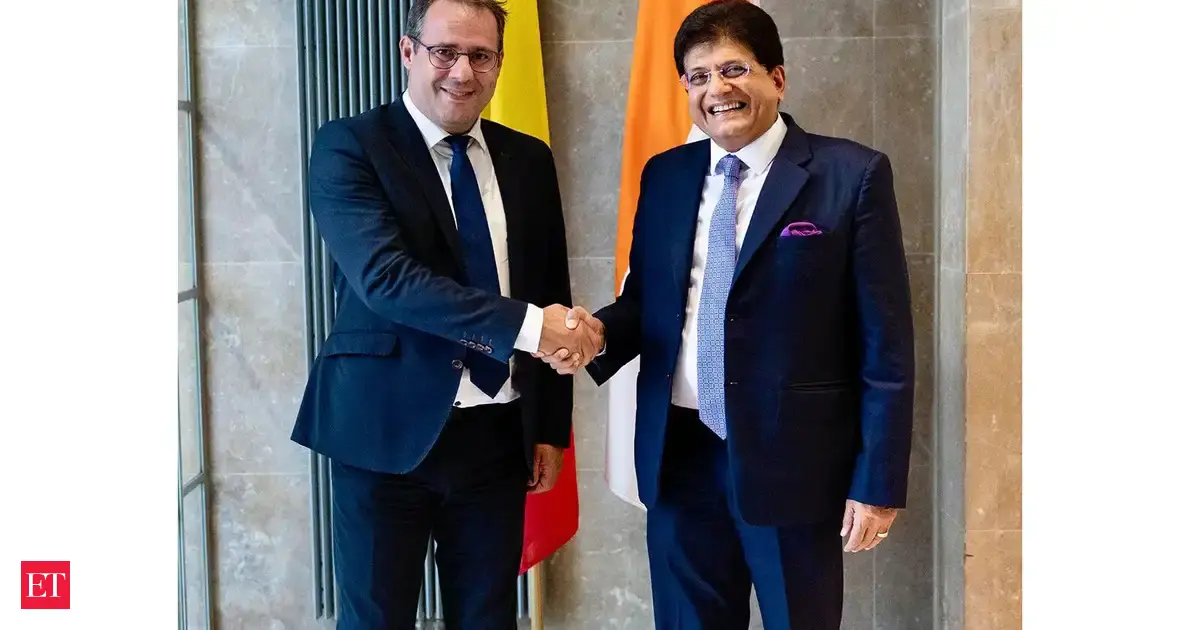
Trade Piyush Goyal Holds Key Meetings with EU, Belgian Leaders to Deepen Trade, Clean Energy, Agriculture Cooperation
India's Commerce and Industry Minister Piyush Goyal held meetings with European Commissioners Christophe Hansen and Wopke Hoekstra, and Belgian Deputy PM David Clarinval to advance cooperation in trade, clean energy, and agriculture. The discussions built on the India-EU Free Trade Agreement and included plans for CEO-level talks and participation in the India-EU Trade and Technology Council.
 Trade
Trade India raises diesel and jet fuel export taxes as US-Iran tensions tighten oil markets
India increased taxes on diesel and jet fuel exports, citing the collapse of the US-Iran interim peace deal and global fuel market tightness. The diesel levy rose to ₹15.5 a litre from ₹8.50, while gasoline taxes were cut. The fortnightly adjustment mechanism aims to balance local availability with export profitability.
 Trade
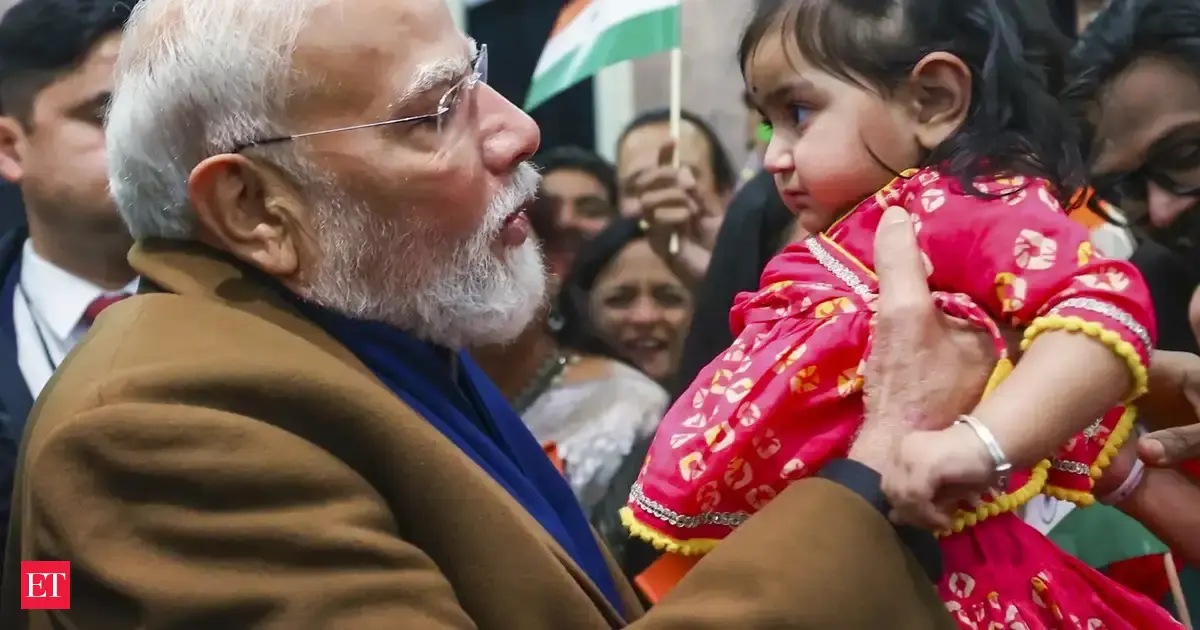
Trade PM Modi begins New Zealand visit, trade talks in focus
Prime Minister Narendra Modi arrived in Auckland on Friday for the first Indian prime ministerial visit to New Zealand in 40 years. Trade talks with NZ PM Christopher Luxon will focus on the India-New Zealand Free Trade Agreement, which will make 57% of NZ exports to India tariff-free from day one. Modi will also address the Indian diaspora, which numbers around 300,000 in New Zealand.
 Trade
Trade The biggest prize in the India-UK FTA may not be an export boost
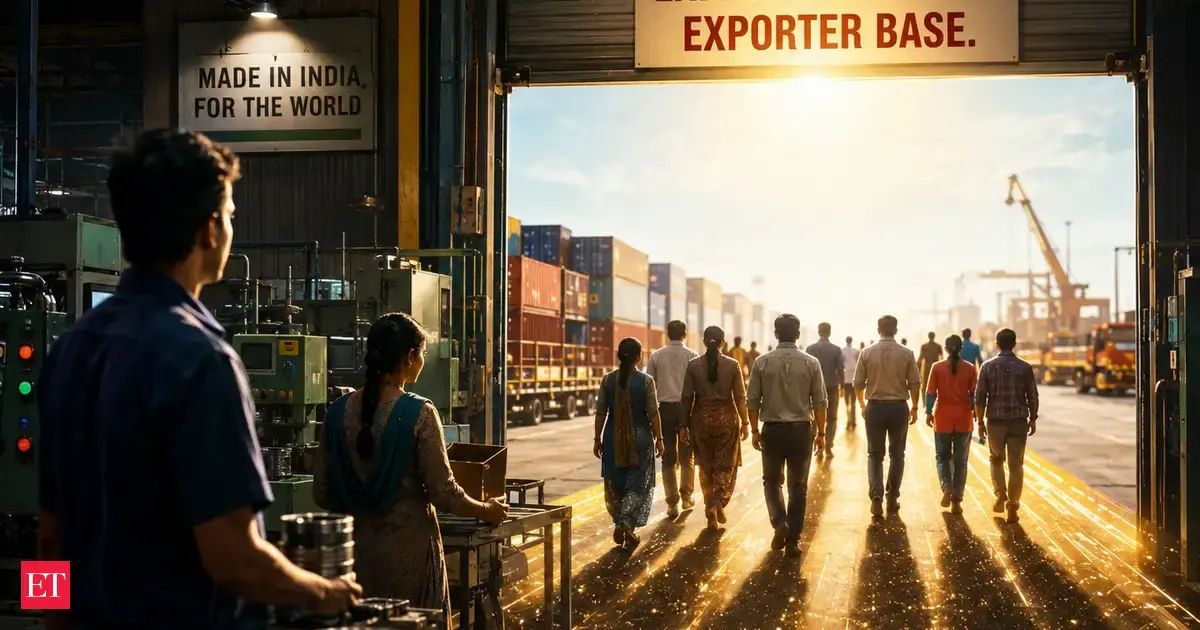
The India-UK Free Trade Agreement may have its largest impact not in immediate export growth but in expanding India's exporter base by building lasting trade capabilities. A report by the Global Trade Research Initiative (GTRI) argues that tariff reductions alone are insufficient; India must strengthen standards, certifications, and logistics. The real benefit lies in creating thousands of new exporters, particularly among SMEs in textiles, garments, leather, footwear, marine products, processed foods, and gems and jewellery.
 Trade
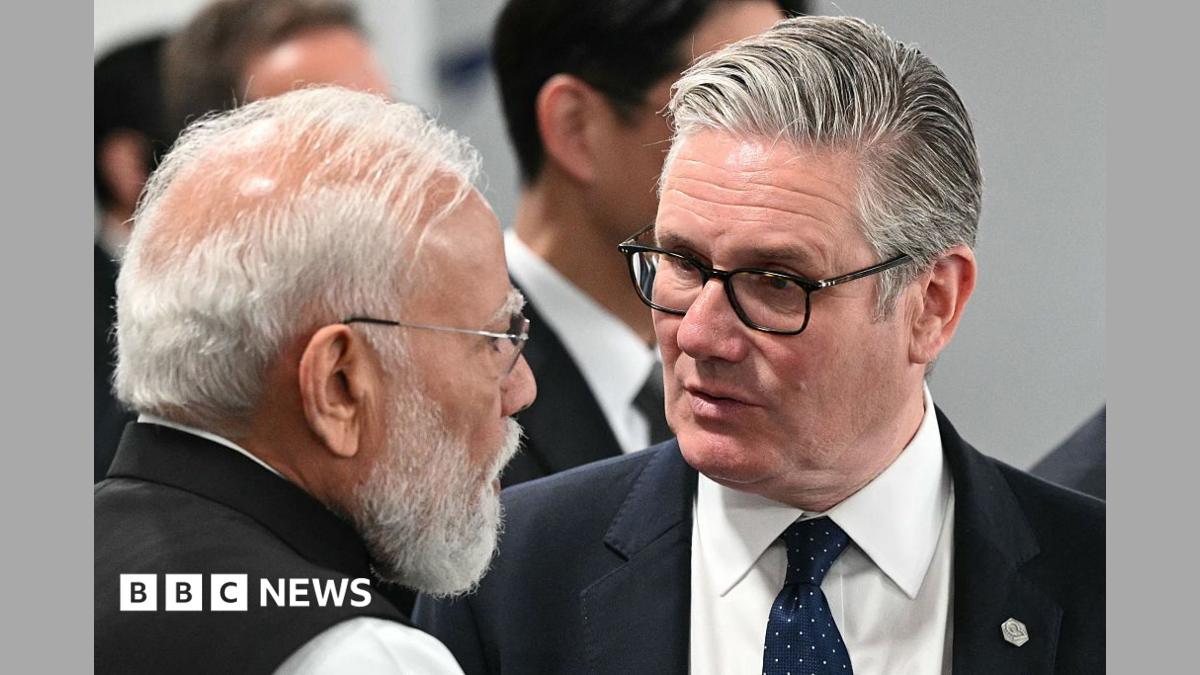
Trade India-UK Free Trade Deal Takes Effect: Textile and Scotch Whisky Tariffs Slashed
The India-UK free trade agreement came into effect on July 14, 2026, eliminating or reducing tariffs on 99% of Indian exports to the UK and 90% of UK imports into India. The deal is expected to boost textile exports from companies like Welspun Living and cut Scotch whisky duties from 150% to 75% immediately, with further reductions over 10 years.
 Trade
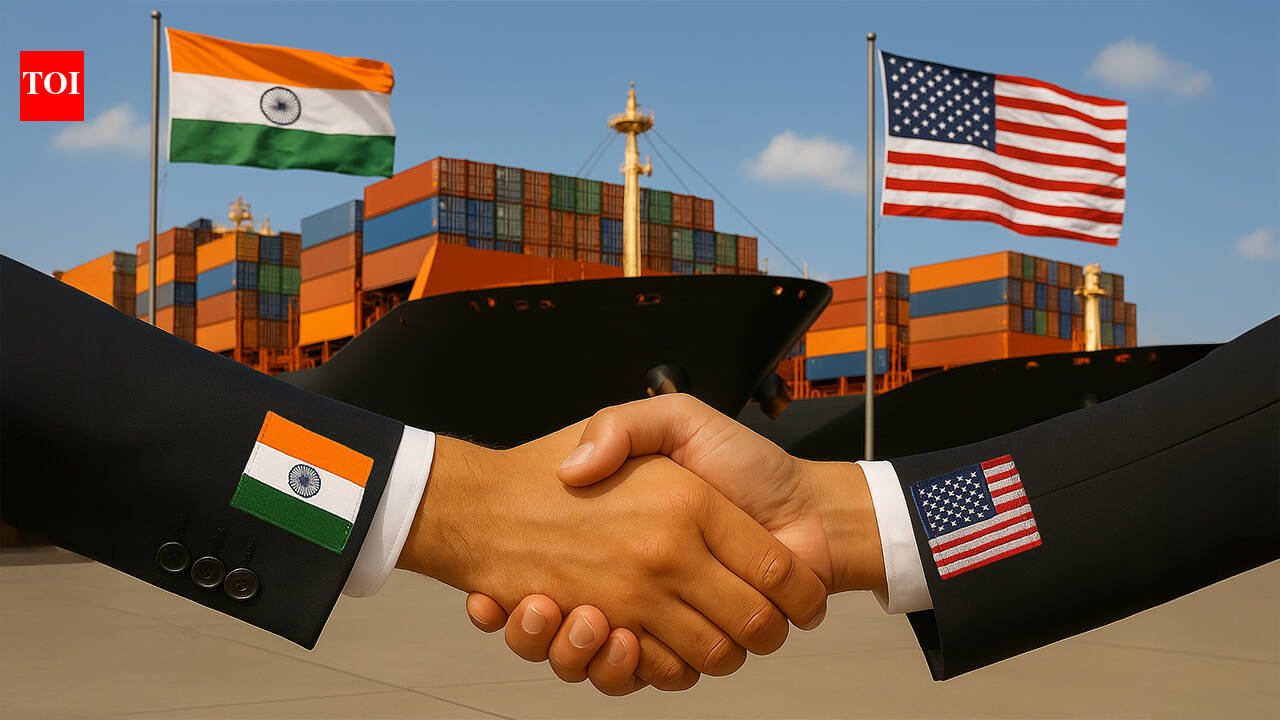
Trade India-US Trade Deal Framework ‘Ready’ for Signing at ‘Right Time’, Says Official
An Indian official announced that the framework for the India-US trade deal is ready and will be signed at an appropriate time. Negotiations for a bilateral trade agreement are progressing. India is seeking a tariff structure that provides a comparative advantage. Separately, the USTR proposed Section 301 tariffs of up to 12.5% on India and other economies.
 Trade
Trade Brexit at 10: UK Economy Still Shrinking as Trade Barriers Persist with EU
A decade after the 2016 referendum, Brexit's economic impact is measured at a 4-8% GDP loss, with businesses still grappling with customs paperwork and non-tariff barriers on EU trade. Public opinion has shifted, with 52% now supporting rejoining, but the Labour government rules out a return to the single market.
 Trade
Trade NITI Aayog Proposes Pharma Chapter in Future FTAs, Urges India to Move Up Value Chain
NITI Aayog’s eighth Trade Watch Quarterly report proposes a dedicated pharmaceuticals chapter in future free trade agreements to help India move up the value chain. The report calls for greater regulatory transparency, stronger industry-academia tech transfer, and shared environmental compliance infrastructure. It highlights India's 65% dependence on China for critical APIs and notes India supplies 50% of Africa's, 40% of the US', and 25% of the UK's generic drug needs.
 Trade
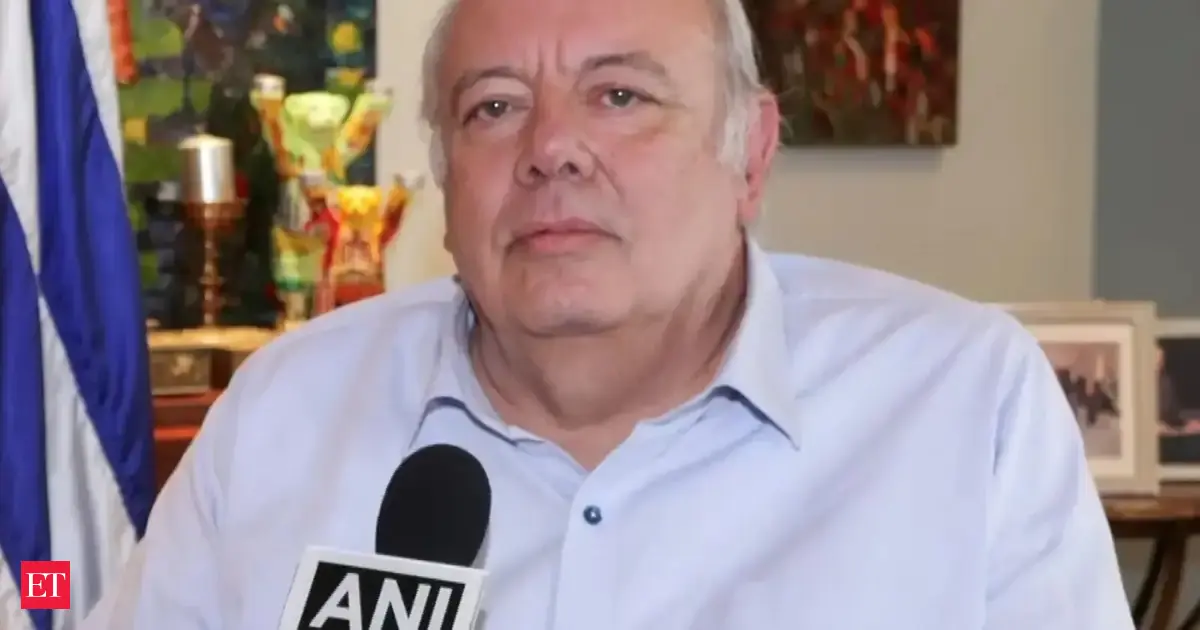
Trade India-Latin America Trade to Reach USD 100 Billion by 2030 from USD 50 Billion: Uruguay Ambassador
Uruguay Ambassador Alberto Antonio Guani Amarilla announced that trade between India and Latin America is expected to double to USD 100 billion by 2030 from the current USD 50 billion. Speaking at the LAC FIRST conference in New Delhi, he highlighted the need to expand the India-Mercosur Preferential Trade Agreement from 450 to 3,000 products as a step toward a free trade agreement, with key sectors including minerals, agro-industries, and pharmaceuticals.
 Trade
Trade COMA Urges Kerala to Regulate Coconut Trade to Curb Illegal Transactions
The Cochin Oil Merchants’ Association (COMA) has called on the Kerala government to introduce a regulatory framework for the trade and movement of coconuts, copra and coconut oil, citing large-scale unrecorded and clandestine transactions. The association recommends a market cess, trader registration, electronic documentation for bulk transport and digital tracking of inter-state movement to curb tax evasion and safeguard the state's coconut economy.
 Trade
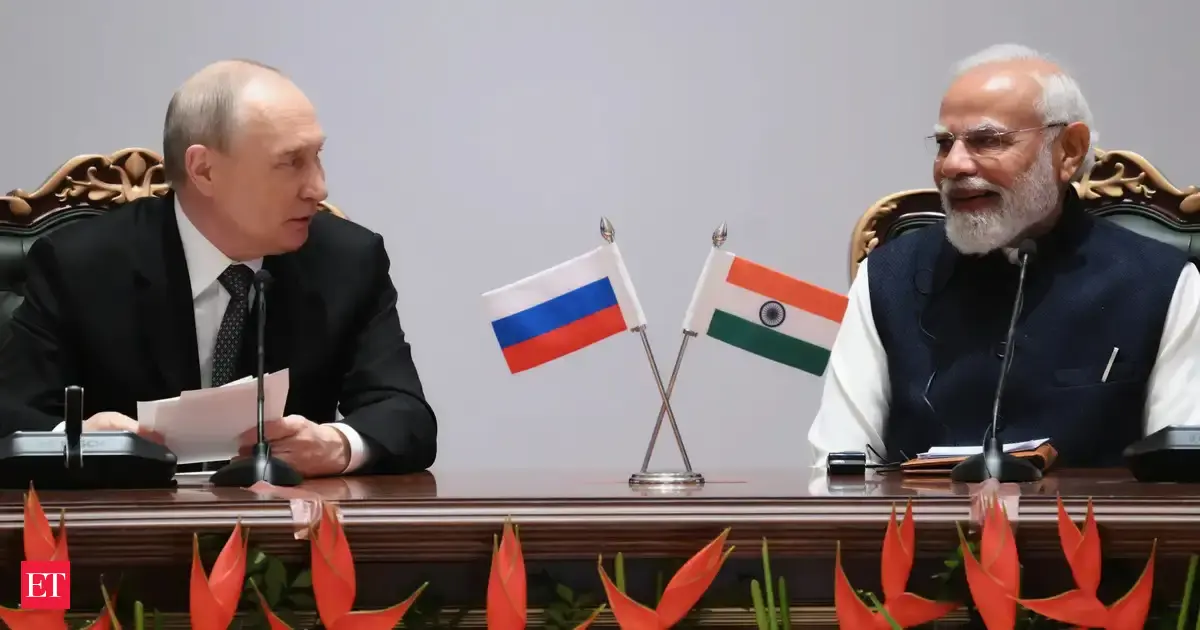
Trade Russia and India Work on Increasing Bilateral Trade Volumes, Kremlin Spokesman Says
Kremlin spokesman Dmitry Peskov announced that Russia and India are actively working to increase bilateral trade volumes, noting a steady upward trend. The two countries have set a target of $100 billion in bilateral trade by 2030, established during President Vladimir Putin's visit to India in December 2025. Peskov praised India's economic growth and Prime Minister Narendra Modi's leadership.