
Topic
trade route
 Logistics
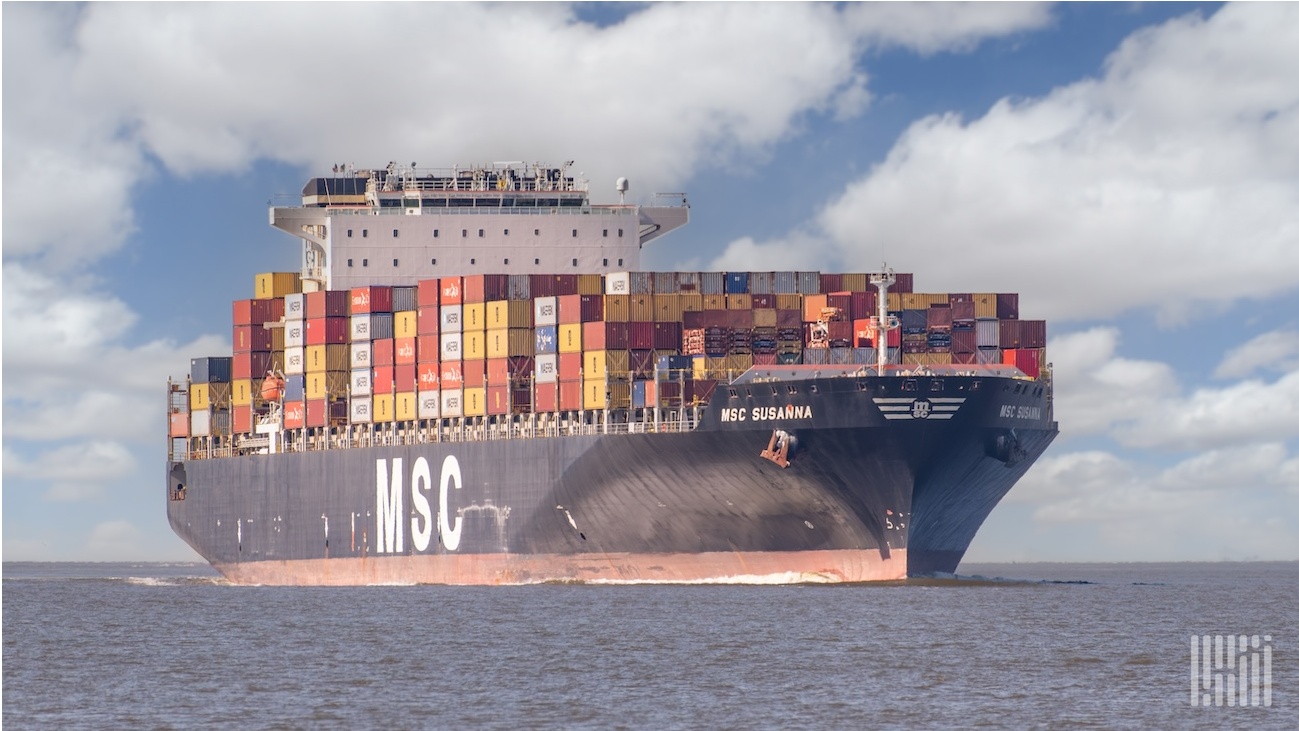
 MSC Returns to Red Sea as Trans-Pacific Spot Rates Hold Elevated
Mediterranean Shipping Co. has joined other container lines returning to the southern Red Sea despite renewed Houthi attacks, according to FreightWaves. Trans-Pacific spot rates remain elevated, with Asia-U.S. West Coast prices up 1% to $6,826 per FEU and East Coast prices up 2% to $9,576 per FEU. Carrier capacity cuts and China port congestion are supporting rates, while U.S.-Iran and U.S.-China tensions keep the market on edge.
 Logistics
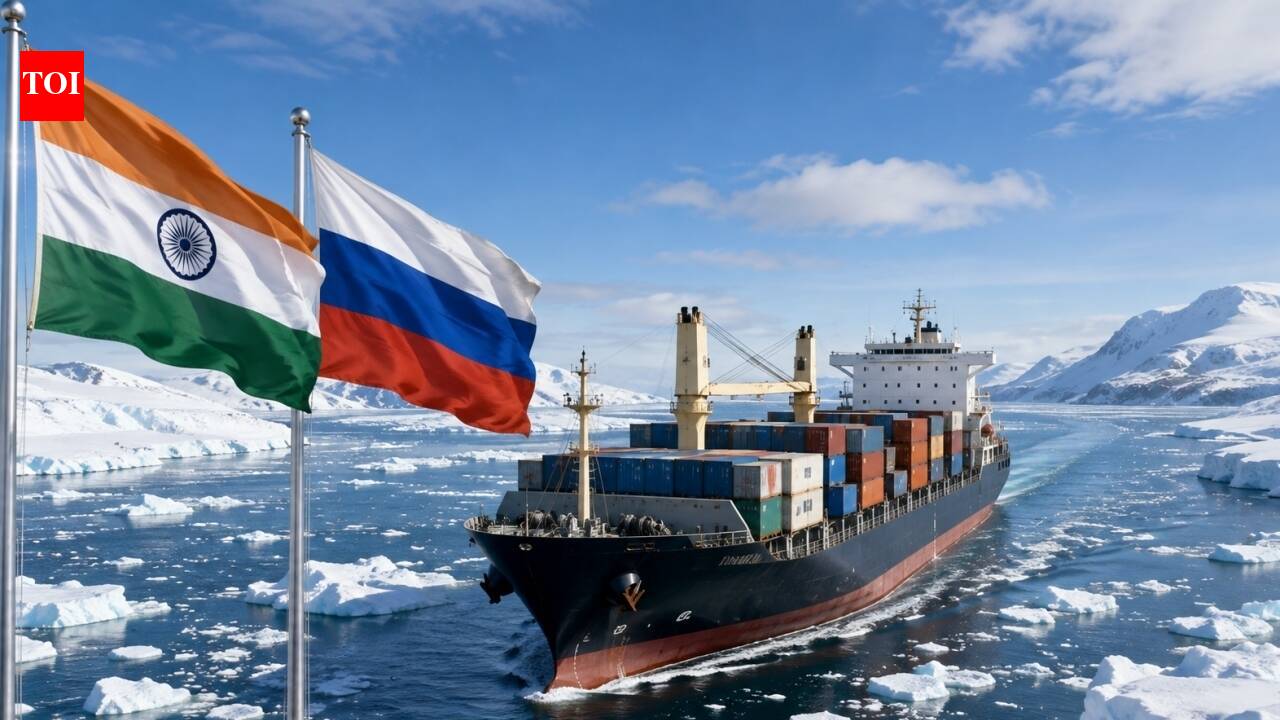
 India Eyes First Cargo Ship on Arctic Northern Sea Route to Russia as Arkhangelsk Talks Advance
India may send its first cargo ship via the Northern Sea Route to Russia next year. Arkhangelsk region discussions cover ship construction, port infrastructure, and a possible Rosatom memorandum of understanding, potentially cutting sailing distances by up to 40%.
 Logistics
 Russia explores rail link to India to bypass maritime chokepoints
Russia is exploring a rail link to India to hedge against disruptions at the Strait of Hormuz and the Bosphorus. Deputy PM Marat Khusnullin told TASS that alternative routes via Turkmenistan, Iran and Afghanistan are under consideration. India's crude imports from Russia hit a record 55% of total purchases last month, the Economic Times reported.
 Logistics
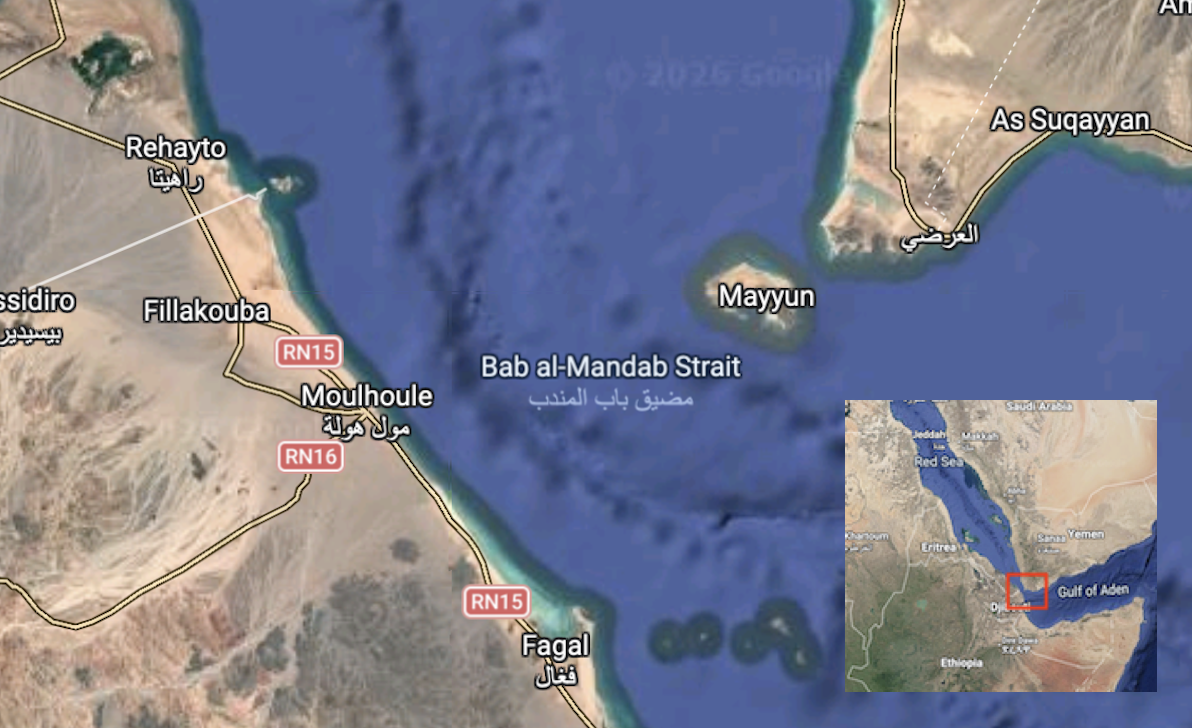
 Houthi rebels announce new blockade of key Red Sea shipping lane threatening global trade
Houthi rebels in Yemen announced a naval blockade of Saudi Arabia at the Bab al-Mandab Strait, escalating conflict that previously shut down Red Sea shipping. The move threatens the return of carrier services and could disrupt energy exports and global supply chains.
 Logistics
 Jaxport Adds New Asia-Latin America-Mediterranean Container Service with Zim and MSC
Jaxport welcomed the first call of the ZCP-Amberjack container service, operated by Zim and MSC. The weekly service connects Jacksonville with major Asian ports, Latin America, the Caribbean, and the Mediterranean via transshipment hubs. Transit times from North Asia are 28-32 days.
 Logistics
 Strait of Hormuz Operations at Risk as Iran-Oman Toll Plan Threatens Global Oil and LNG Flows
Iran and Oman are considering charging ships for transit through the Strait of Hormuz, a vital chokepoint for about one-fifth of global oil and LNG trade. The move follows a months-long blockade triggered by conflict, and despite a June 17 MoU that reopened the strait, attacks on vessels continue. The legal status of such tolls is disputed, with the US warning of 'total chaos'.
 Logistics
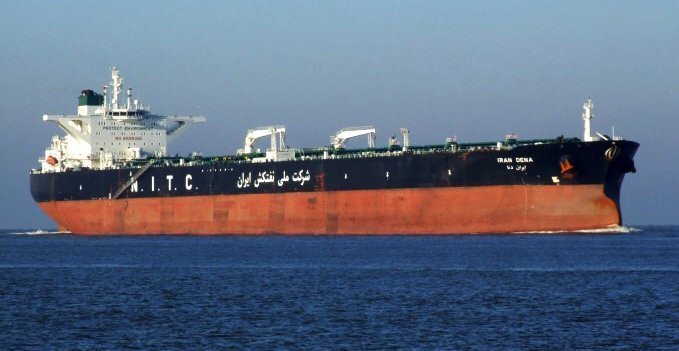
 Fleets Reposition for Hormuz Reopening Ahead of US-Iran Peace Deal Signing
Tanker and LNG operators are repositioning vessels toward the Gulf ahead of a planned US-Iran peace agreement signing in Geneva. Vessel tracking shows over 75 tankers heading to the Middle East, and Iranian crude exports have resumed for the first time in two months. However, military authorities warn that security risks remain substantial, and Israeli involvement could derail the deal.
 Logistics
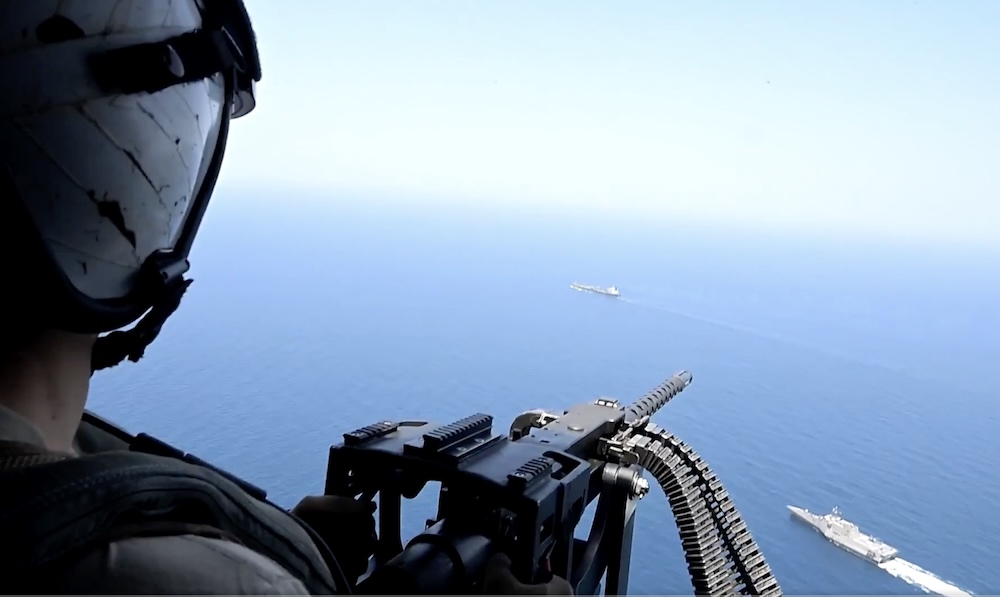
 Hormuz Ceasefire Collapses After US-Iran Strikes, Tanker Hit Leaves 3 Missing
The fragile ceasefire in the Strait of Hormuz has completely broken down following fresh US-Iran attacks. A US strike on the product tanker Settebello off Oman left three seafarers missing and one injured, while Iran claimed strikes on two tankers. The IMO condemned the attacks, reporting 43 verified incidents since late February.