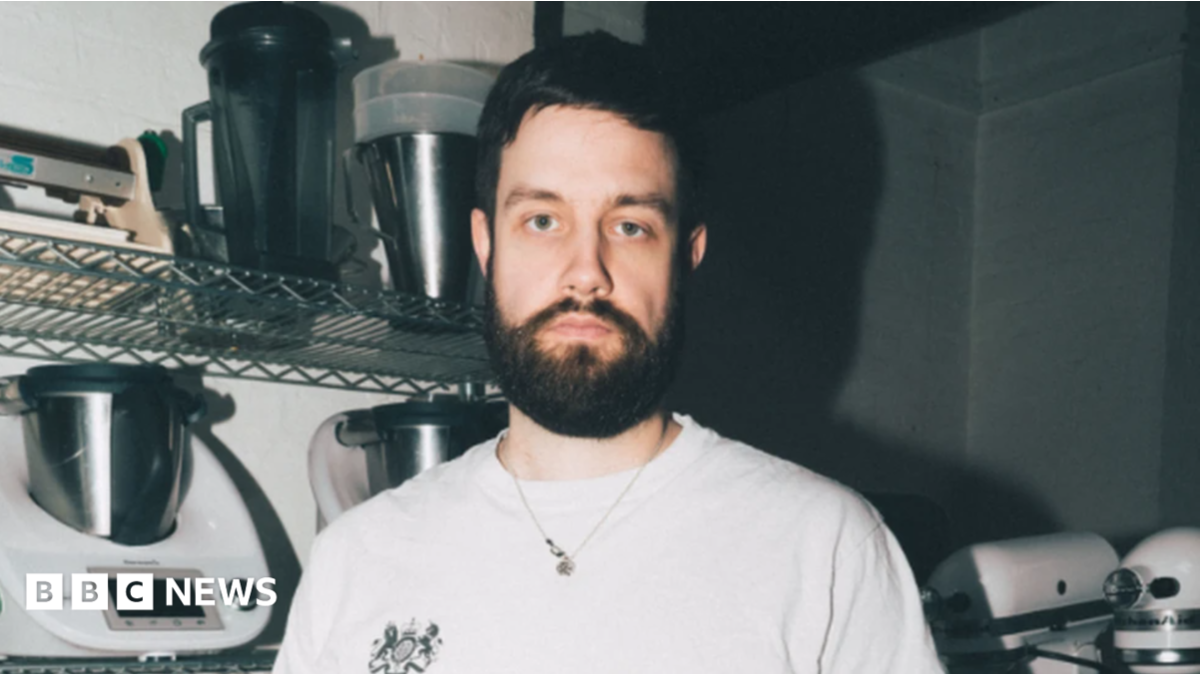
Michelin-starred chef Alex Claridge has warned that the government's planned 20% reduction in business rates for pubs, social clubs, and live music venues will not be enough to rescue struggling independent restaurants, according to a BBC report.
Claridge, owner of the acclaimed Birmingham restaurant The Wilderness, said that despite industry recognition and full dining rooms, many independent hospitality businesses are operating on thin margins. "The entire industry is on a precipice... I don't know any independent hospitality businesses that are making any money," he told the BBC. "Really, it's statistically almost impossible to make a living."
The Government's Business Rates Relief
The government announced a 20% reduction in business rates for pubs, social clubs, and live music venues, effective from next April. Prime Minister Andy Burnham said: "For too long, governments have stood by while cherished venues have disappeared from our local high streets." The cut will cost £100 million and will be funded by a review of tax relief on firms such as vape shops which "do not make a positive contribution to local communities," the government stated. The relief is expected to benefit almost 32,000 venues.
However, the relief specifically excludes restaurants, cafés, hotels, and cinemas — a gap Claridge said reflects a broader failure to address the sector's core challenges.
Chef's Call for VAT Reduction
Claridge argued that a reduction in VAT for hospitality businesses would have a far greater impact than changes to business rates. He said it would give businesses the breathing space needed to invest, employ staff, and remain financially viable. "It's the only lever that will reliably make a difference to a material number of businesses," he added. "Whilst I understand that there is significant nervousness in government about such a bold radical move, [but] the time really is now for a bold, radical move. For me, it's always been not can we afford it, but can we afford not to."
Industry Impact and Outlook
The chef described the financial reality for independent venues as precarious. "This could represent a couple of thousand [pounds], it could represent a couple of hundred thousand. The issue remains that for many businesses, it's still not going to be enough to move the needle," he said of the rates cut. Claridge warned that without wider reform, more independent venues could disappear. "Those of us who run and operate these businesses, it is not a get rich quick scheme," he said. "It is often a get poor quick scheme as it happens, but it's getting to that point where you go, this doesn't make sense. Make the maths math, as the kids might say."
What the Business Rates Relief Covers
| Included Sectors | Excluded Sectors |
|---|---|
| Pubs | Restaurants |
| Social clubs | Cafés |
| Live music venues | Hotels |
| Cinemas |
For executives and investors tracking UK hospitality, the government's selective relief signals a targeted approach to high street revitalisation but leaves a large segment — including fine dining and hotel chains — without direct support. The omission of restaurants, which often face higher operational costs than pubs, may prompt further lobbying for VAT reform. As the £100 million relief takes effect next April, the next milestone will be the government's broader tax review, which could determine whether additional measures for restaurants are forthcoming.
Sources: