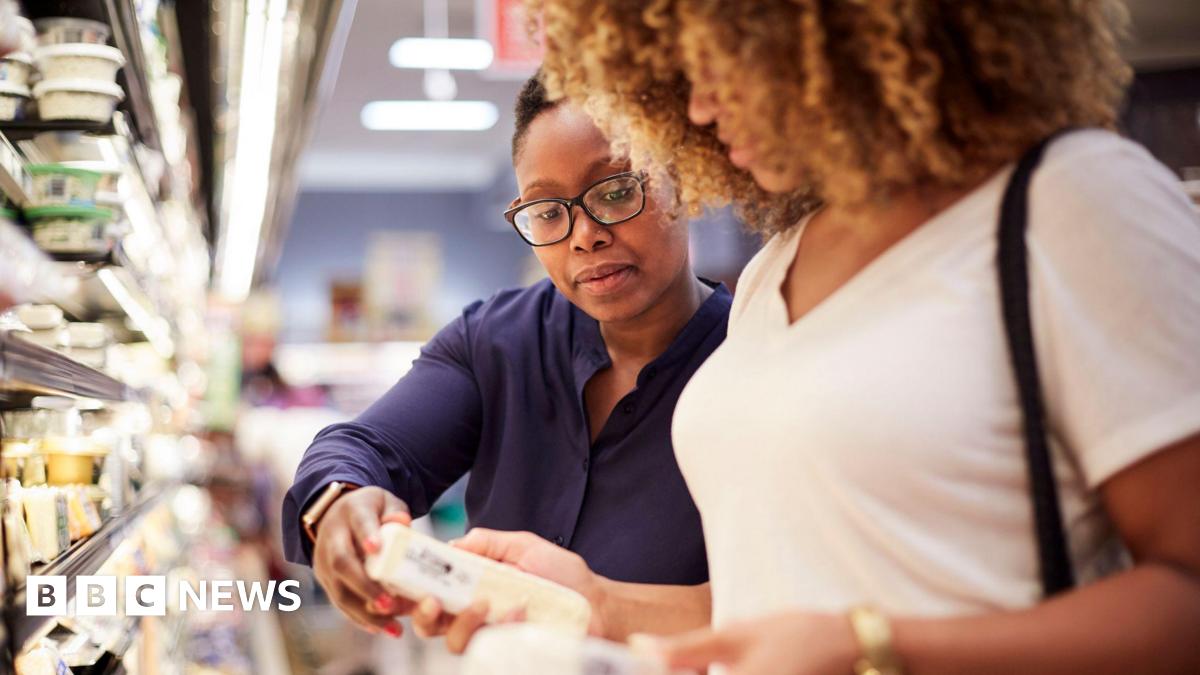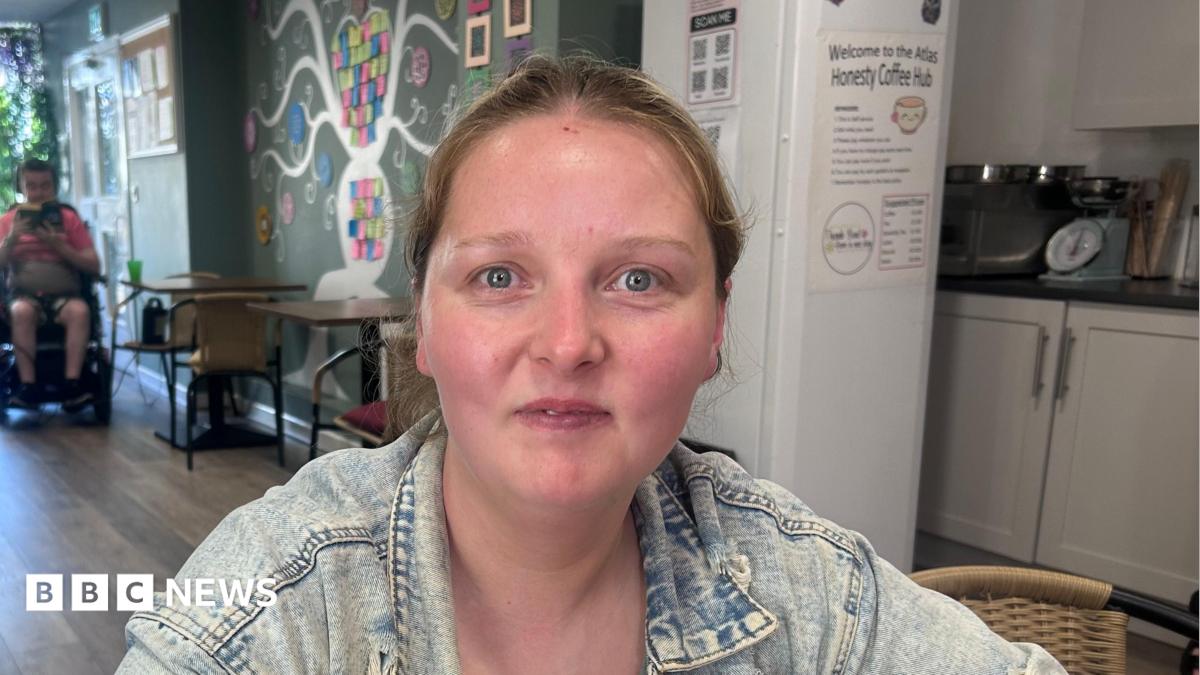
The financial strain of school holidays is intensifying for low-income families in Northern Ireland as food prices remain elevated, according to a BBC report. A single mother of two, Susan Lilley, described the weekly shop as one of her biggest financial worries, noting that processed options are often cheaper than fresh produce.
Holiday food payments: history and a new bill
During the Covid-19 pandemic, families of 90,000 children eligible for free school meals received £27 per child every fortnight during school holidays. The scheme was terminated by the Department of Education in March 2023 due to funding constraints. The then Permanent Secretary, Dr Mark Browne, described the decision as the most difficult he had to make, according to the BBC.
Now, a new bill introduced by Sinn Féin assembly member Danny Baker could reinstate holiday food payments. If passed, the payments would resume at an estimated annual cost of £20 million. Children qualify for free school meals if their household income is below £15,390 a year.
| Metric | Value |
|---|---|
| Prior payment per child per fortnight (Covid-era) | £27 |
| Eligible children affected | 90,000 |
| Household income eligibility threshold | < £15,390/year |
| Estimated annual cost of proposed new payments | £20 million |
Household impact and rising food costs
Although UK food inflation has slowed, the BBC notes that prices are still rising, just at a slower rate. Susan Lilley, who received the grant during Covid, said the support made a real difference. Without it, she sometimes chooses less healthy processed food because it is cheaper.
"I can go and buy a 35p donut versus a £4.50 box of strawberries, but it won't fill her the same, won't give her the brain power for school. It will actually damage her more."
She added: "Put your money where your mouth is. Children are our future. If they are being limited now how are they going to be the best they can be?"
Lauren Entwhistle, who works at the Atlas Women's Centre in Lisburn, has experienced similar pressures. After struggling with postnatal depression and finances, she turned to the centre for support and now works there helping other women. She said the majority of women who seek support are struggling financially.
"Worrying about that every day affects your mental health. It's the hub of everything, that's why there is a big issue with mental health in this country."
Entwhistle said many women carefully count every penny when shopping and would be grateful for any additional support, even "an extra fiver a week". She suggested politicians should speak directly with affected women to understand the reality.
Business and economic implications
For corporate leaders and investors, the persistent rise in food prices—even at a slower pace—continues to squeeze household budgets, potentially dampening consumer spending in other areas. The proposed £20 million annual expenditure by the Northern Ireland Assembly represents a direct fiscal transfer to low-income households, which could bolster local retail and food sales. However, the policy's fate remains uncertain. The next milestone is the bill's progress through the assembly, with no specific timeline yet reported.
As the cost-of-living crisis persists, companies in the grocery and packaged food sectors may see shifts in demand toward value and private-label products, while fresh produce and premium items face headwinds from price-conscious consumers.
Sources: