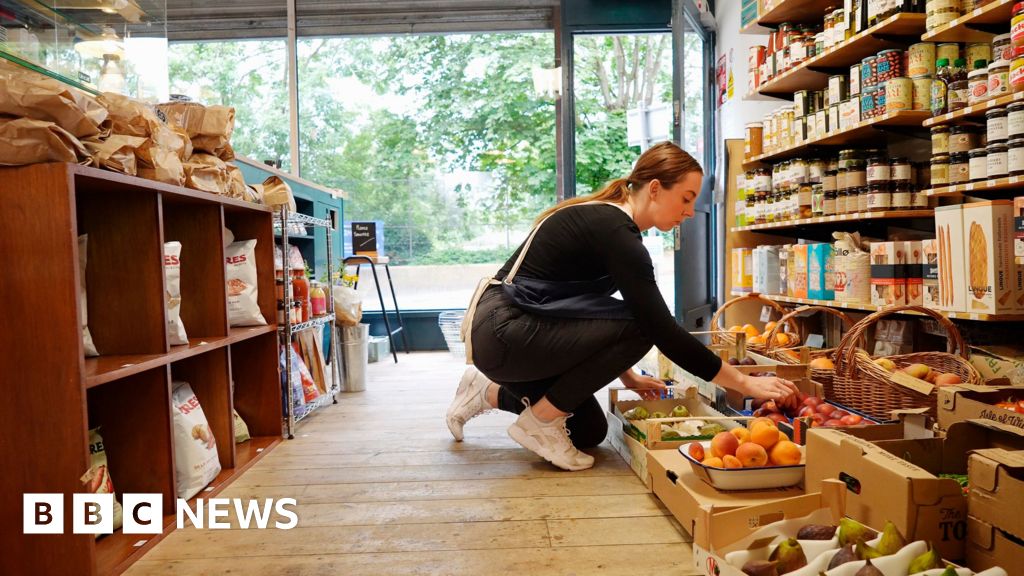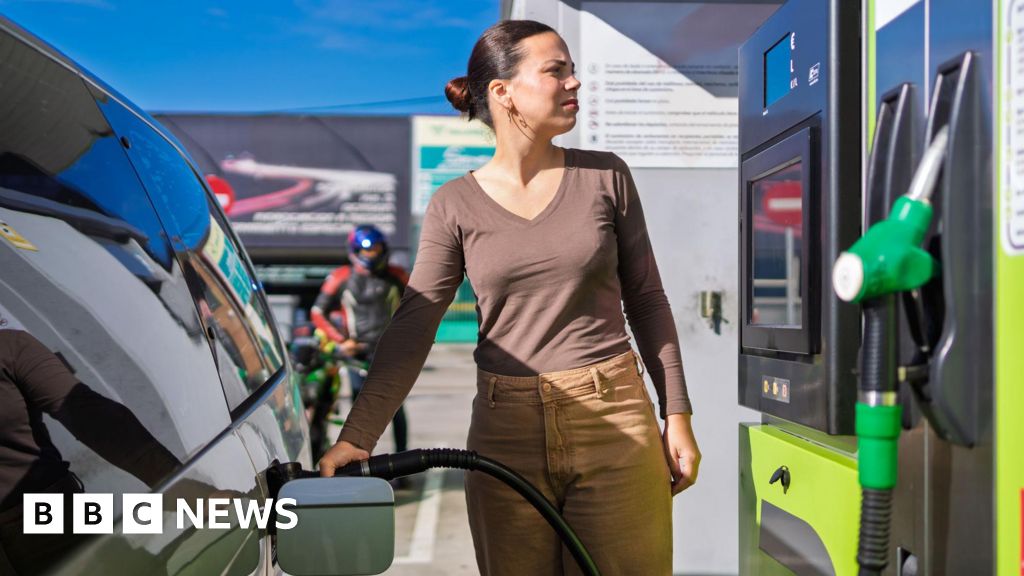
The UK's annual inflation rate eased to 2.6% in the year to June 2026, according to the Office for National Statistics (ONS), slightly below economist forecasts and down from the previous month. The decline was partly attributed to a temporary drop in petrol and diesel prices following a ceasefire in the Middle East, though the ceasefire has since broken down, per the BBC. Despite the dip, inflation remains above the Bank of England's 2% target, and analysts widely expect it to rise again in the coming months.
Measuring Inflation: The Basket of Goods
The ONS calculates inflation by tracking the prices of hundreds of everyday items in a virtual 'basket of goods,' which is updated regularly to reflect shopping trends. For 2026, the ONS added alcohol-free beer, dashboard cameras, and pet grooming equipment, while removing premium bottled lager and sheets of wrapping paper. The main metric is the Consumer Prices Index (CPI), published monthly, which measures price changes over the previous 12 months.
| Items Added in 2026 | Items Removed in 2026 |
|---|---|
| Alcohol-free beer | Premium bottled lager |
| Dashboard cameras | Sheets of wrapping paper |
| Pet grooming equipment |
Why Prices Are Still Rising
Although inflation has fallen sharply from its peak of 11.1% in October 2022 (the highest in 40 years), prices have not dropped—they are simply rising at a slower pace. The June figure was driven lower by cheaper fuel, particularly diesel, summer discounts on clothing, and moderating food prices. Supermarket price inflation is now at its slowest rate in nearly two years. Within food, meat (especially beef) and vegetables saw price increases in June, but the rises were smaller than a year earlier. Some staples, including sugar, oils, and dairy, actually fell in price.
However, the BBC noted that supply chains can take up to a year to transmit cost changes to shop floors, meaning the widespread disruption from the war in Iran could still push food prices higher in the months ahead.
Implications for Business and Interest Rates
The Bank of England's Monetary Policy Committee closely monitors inflation figures when setting the base interest rate, which currently stands at 3.75%. Higher rates make borrowing more expensive for businesses and consumers, reducing demand and slowing price rises—but also risk harming economic growth by raising mortgage costs and discouraging corporate investment and hiring.
For C-suite executives and investors, the key takeaway is that the Bank faces a careful balancing act: inflation is above target yet expected to rebound, while the economy remains sensitive to rate changes. Companies with variable-rate debt or expansion plans dependent on cheap credit should prepare for potential rate holds or modest adjustments in the near term. The combination of easing food prices but volatile energy costs and geopolitical risk (Iran) adds uncertainty to cost forecasting.
Next Milestone
Market participants will watch the next ONS CPI release and the Bank of England's August rate decision for further clarity on the inflation trajectory and monetary policy direction.
Sources: