iGEN
Visit IGEN World Explore IGEN Expo
EXPLORE UPGRADE PLANS
BREAKING
Home ›› Business ›› Economy ›› Stress in MSME Micro-Borrower Segment Widens as Delinquencies Rise, Data Shows

Stress in MSME Micro-Borrower Segment Widens as Delinquencies Rise, Data Shows

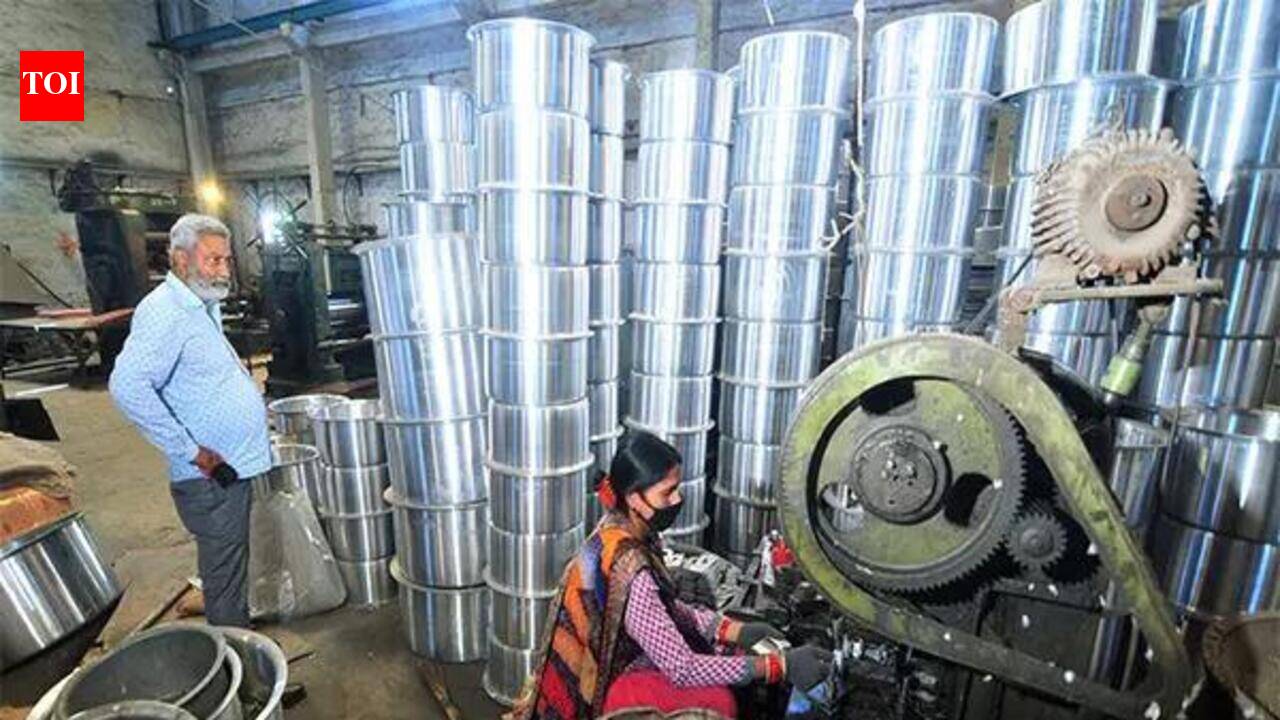
Stress is emerging in the micro-borrower segment of India's MSME industry, particularly for loans below Rs 2 crore, with early-stage delinquencies at 2.7% in April 2026. This compares with 1.5% for small enterprises and 0.8% for medium enterprises. Hard delinquencies rose to 1.4% from 1.1% in March, suggesting defaults are hardening.

iG
iGEN Editorial
July 8, 2026
Stress in MSME Micro-Borrower Segment Widens as Delinquencies Rise, Data Shows

Stress is emerging in the micro-borrower segment of India's MSME industry, with early-stage delinquencies reaching 2.7% as of April 2026, according to Business Today. The divergence in asset quality across MSME segments has widened, with micro borrowers showing significantly higher delinquency levels than small and medium enterprises. Larger enterprises remain relatively resilient amid geopolitical headwinds, tighter working capital conditions, and global supply chain pressures.

Deteriorating Asset Quality in Micro Lending

The stress is concentrated in loans with ticket sizes below Rs 2 crore. As of April 2026, early-stage delinquencies — loans 31 to 90 days overdue — stood at 2.7% for micro borrowers. This compares with 1.5% for small enterprises and 0.8% for medium enterprises, indicating uneven stress across borrower categories. The data, reported by Business Today, underscores the vulnerability of the smallest businesses in the MSME ecosystem.

Hardening of Defaults

The build-up of stress is also visible in hard delinquencies within the micro segment. Loans that are 91 to 180 days overdue rose from 1.1% in March 2026 to 1.4% in April 2026, according to the report. This suggests that early-stage stress is translating into severe defaults over time, posing a potential risk to lenders' asset quality.

Segment Early-stage delinquency (31–90 days) – Apr 2026 Hard delinquency (91–180 days) – Apr 2026 Hard delinquency – Mar 2026
Micro borrowers 2.7% 1.4% 1.1%
Small enterprises 1.5% – –
Medium enterprises 0.8% – –

Implications for Lenders and the Economy

The widening gap in asset quality between micro borrowers and larger MSMEs highlights the uneven impact of tighter working capital conditions and supply chain pressures on the smallest businesses. For banks and non-banking financial companies (NBFCs) with significant exposure to micro-loan portfolios, rising delinquencies could lead to higher provisioning requirements. The trend also signals potential headwinds for India's broader economic recovery, as micro and small enterprises account for a substantial share of employment and output.

Next Milestone

Market participants will closely watch the monthly delinquencies data for May 2026 to assess whether the stress in the micro segment continues to deepen. Any sustained increase in hard delinquencies may trigger more cautious lending practices and tighter credit availability for micro borrowers.


Sources: Business-Today

Keep Reading

Recommended Stories

Payment Delays Strain MSME Working Capital, Report Highlights Structural Gap Trade Finance

Payment Delays Strain MSME Working Capital, Report Highlights Structural Gap

The Indian SME Receivables Report 2026 by Recordent reveals that delayed payments are severely straining MSME working capital, with average overdue receivables beyond 360 days at Rs 3.8 crore per firm and a national invoice payment cycle of 73 days, far exceeding regulatory guidelines of 45 days. The report, based on data from 1.1 lakh MSMEs and over 1 million transactions, identifies late payments as a key constraint on liquidity, growth, and financial stability.

June 29, 2026
India's 3Fs Stress: How the US-Iran War Is Straining Fuel, Fertilisers and Forex Commodities

India's 3Fs Stress: How the US-Iran War Is Straining Fuel, Fertilisers and Forex

India is under stress from the '3Fs' — fuel, fertilisers, and forex — as the US-Iran war drives up crude oil prices and disrupts supplies via the Strait of Hormuz. Finance Minister Nirmala Sitharaman urged conservation of foreign exchange. With over 85% crude import dependence and 50% of DAP and urea imports from the Middle East, the entire 2026-27 fiscal year could be affected, according to EY India's chief policy advisor.

June 15, 2026
Inflation Is Heating Up, But Don't Expect Another Crisis, BBC Says Business

Inflation Is Heating Up, But Don't Expect Another Crisis, BBC Says

BBC News analysis finds UK inflation is set to rise to around 3.5% later this year after energy bills climbed in the fallout from the war in Iran. Yet food inflation remains at 1.3%, wages are outpacing prices, and economists do not expect another crisis on the scale of the war in Ukraine.

August 19, 2026
UK inflation rises to 2.9% in July as gas prices lift energy bills Business

UK inflation rises to 2.9% in July as gas prices lift energy bills

UK inflation rose to 2.9% in the 12 months to July, up from 2.6% in June, according to the Office for National Statistics. The acceleration was driven by higher gas prices and Ofgem's 13% energy price cap increase, which added £221 a year to typical household bills.

August 19, 2026