Pakistan is shifting to daily fuel price revisions, abandoning the weekly cycle adopted after the US-Iran war began in late February, as the government seeks to cope with volatile international oil prices amid escalating Middle East tensions. Simultaneously, the country's external accounts have slipped back into deficit, with the State Bank of Pakistan recording a current account deficit of $139 million for the fiscal year 2025-26, reversing the $1.838 billion surplus posted in FY2024-25.
Fuel Price Revision to Daily Mechanism
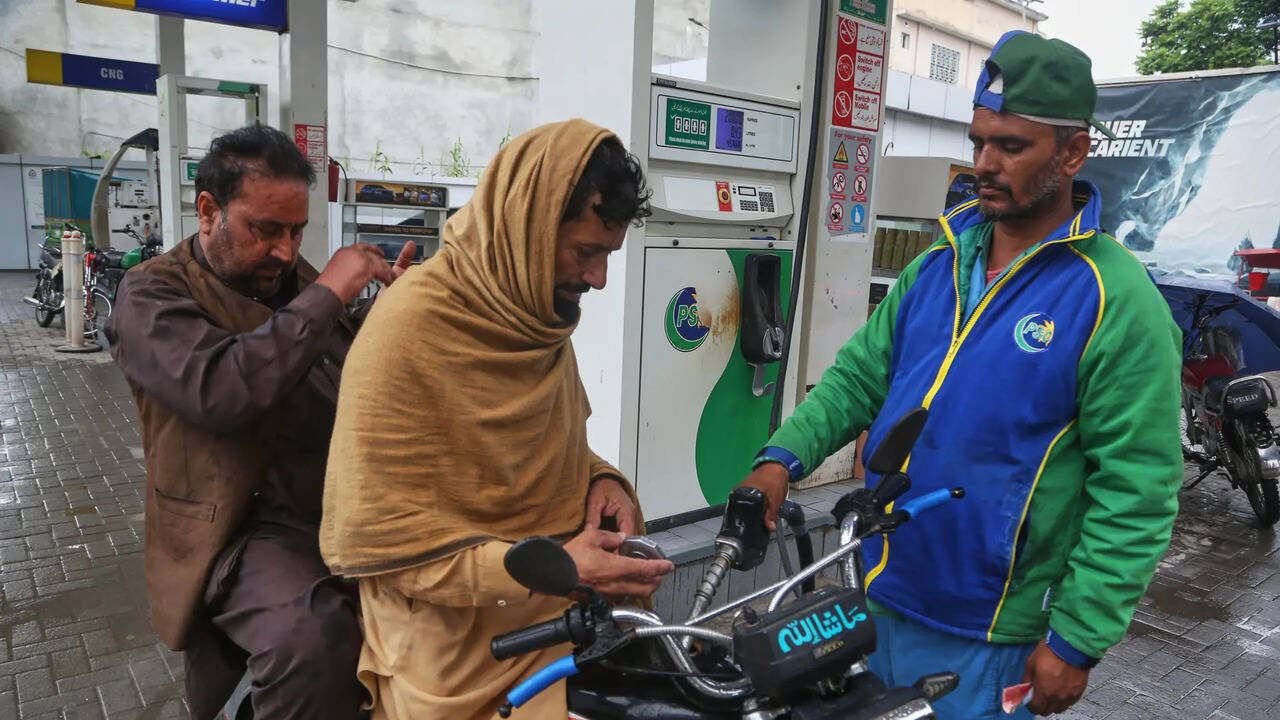
Petroleum Minister Ali Pervaiz Malik and Information Minister Attaullah Tarar announced the changes at a press conference on Friday. According to Malik, the Cabinet has decided to hand over daily price-setting authority to the Oil and Gas Regulatory Authority (OGRA), Pakistan's oil and gas regulator. OGRA will not only publish fuel rates on its website but also disclose the factors determining the price at each petrol pump, aiming to make the mechanism more transparent.
Malik explained that daily price announcements would be based on the seven-day average of international market prices. He added that, as part of broader deregulation, fuel prices in the country would be aligned with international markets without needing to consult anyone. Previously, Pakistan revised petroleum prices weekly after the start of the US-Iran war in late February; before that, revisions were fortnightly.
"The move is aimed at making the pricing mechanism more transparent so that people understand why increases in fuel prices are sometimes unavoidable," said Petroleum Minister Ali Pervaiz Malik.
Current Account Returns to Deficit
Data released by the State Bank of Pakistan (SBP) on Friday showed a return to a current account deficit (CAD) of $139 million in FY2025-26, after a surplus of $1.838 billion in FY2024-25. The deterioration accelerated in June, with a deficit of $649 million compared to a surplus of $500 million in May. The deficit, though marginal, remains a source of concern and could worsen due to the Middle East crisis.
| Period | Current Account Balance |
|---|---|
| FY2024-25 | Surplus $1.838 billion |
| FY2025-26 | Deficit $139 million |
| June 2026 | Deficit $649 million |
| May 2026 | Surplus $500 million |
The economy continues to rely heavily on remittances as exports falter and imports stay elevated, according to the SBP data. Pakistan recorded a trade deficit of more than… (source text truncated). Information Minister Attaullah Tarar linked the rise in international oil prices to the worsening regional situation and noted that Pakistan's efforts to resolve the situation had been "appreciated by the entire world."
Petrol Pump Owners Reject Policy
The All Pakistan Petrol Pump Owners' Association rejected the proposed fuel price deregulation policy and warned it could launch protests and a strike next week if the decision is not withdrawn. Association Vice Chairman Noman Ali Butt urged the government to reconsider and said petrol pump owners should not bear the burden of the government's problems.
"All stakeholders should be taken into confidence before fixing rates with oil marketing companies," Butt said in a video statement.
Butt stated that around 15,000 petrol pump owners across Pakistan have serious concerns over the proposal. He argued that the new policy would affect oil tankers, transportation, and the pricing system, and called for consultations with petrol pump owners before implementation.
Energy Sector Exploration Plans
Petroleum Minister Malik also announced that Turkish Petroleum, Turkey's national oil and gas company, will return to Pakistan in October to begin oil and gas exploration after a 20-year gap. The move follows Prime Minister Shehbaz Sharif's recent visit to Turkey.
Next Milestone
The All Pakistan Petrol Pump Owners' Association has threatened to launch protests and a strike next week if the daily price revision policy is not withdrawn. Market participants will watch for further regulatory announcements from OGRA and any escalation of the US-Iran conflict affecting global oil prices.
Sources: