CMA CGM reported a 42.4% surge in second-quarter EBITDA to $2.26 billion, driven by geopolitical disruptions that boosted freight rates and container volumes, according to a report by FreightWaves.
Financial Performance
The Marseille-based carrier's Q2 2026 revenue jumped 22% to $9.96 billion from $8.17 billion a year earlier. Maritime volumes increased 6% to 6.3 million TEUs (from 5.97 million). EBITDA margin improved from 19.4% to 22.7%.
| Metric | Q2 2026 | Q2 2025 | Change |
|---|---|---|---|
| Revenue | $9.96B | $8.17B | +22% |
| EBITDA | $2.26B | $1.59B | +42.4% |
| EBITDA margin | 22.7% | 19.4% | +3.3pp |
| Maritime volumes | 6.3M TEUs | 5.97M TEUs | +6% |
Context and Drivers
FreightWaves reported that the company described Q2 2026 as "a particularly volatile market environment for the shipping and logistics industry, marked by the multiplication of geopolitical conflicts, particularly in the Middle East, and a high level of macroeconomic uncertainty." CMA CGM, controlled by the Saade family, has been one of the few global lines to maintain some scheduled ocean services on the Suez Canal-Red Sea route after the Gaza war sparked violence against shipping in late 2023. Sustained freight rates helped offset additional costs from vessels trapped in the Persian Gulf due to the shutdown of the Strait of Hormuz, higher insurance premiums, and lower volumes on services calling the region.
Trade Lane and Service Changes
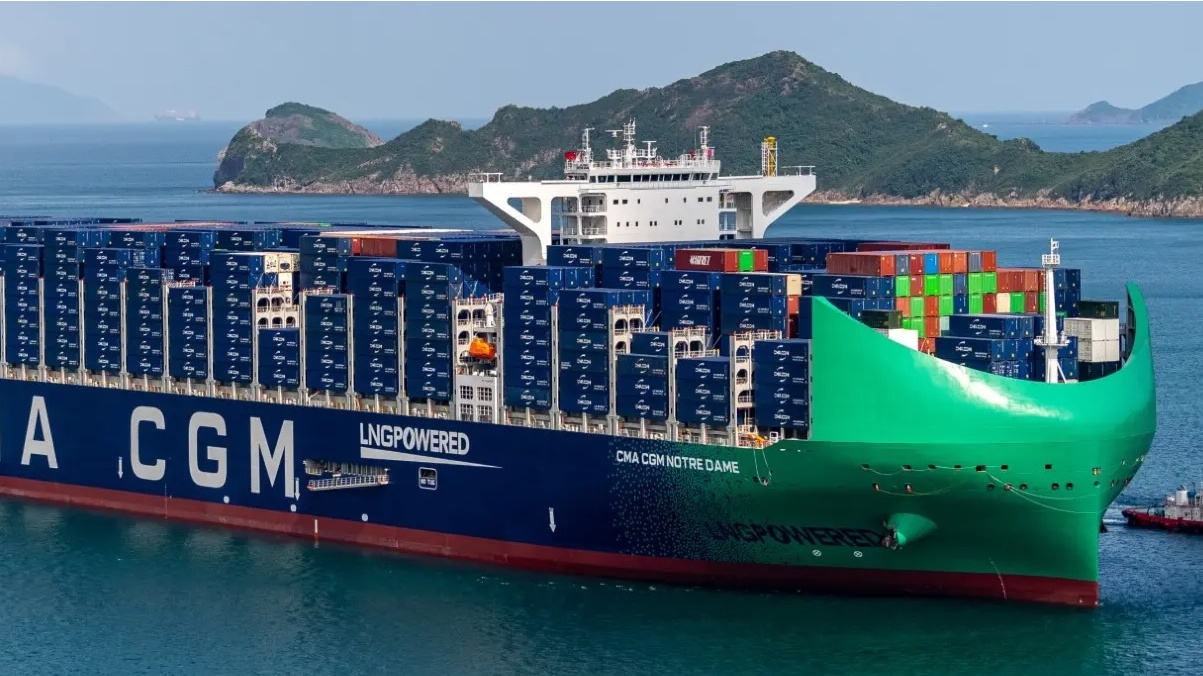
During the quarter, CMA CGM launched the Mekong Transpacific Express, linking Vietnam to the U.S. West Coast. The carrier also introduced the CMA CGM Notre Dame, the world's largest LNG-powered containership operating under the French flag, with a capacity of 24,212 TEUs. The company stated that results were bolstered by network adjustments, optimized fleet deployment, and disciplined cost management.
"Against a backdrop of continued geopolitical instability, the Group delivered solid results in the second quarter of 2026, driven by the performance of our shipping activities, the growth of our terminals and air cargo businesses, and the complementary strengths of our logistics operations," said Rodolphe Saade, chairman and CEO of CMA CGM.
Shipper and Operator Implications
For freight forwarders and logistics managers, CMA CGM's strong earnings signal that carriers remain in a favorable pricing environment due to geopolitical tensions and tariff-driven front-loading. The carrier noted that "global trade remained dynamic, supported by four main factors: resilient global consumer demand, sustained corporate investment generating strong import-export flows, inventory restocking amid heightened uncertainty, and the acceleration of orders ahead of the implementation of new tariffs." Shippers should expect continued capacity discipline on core routes and potentially higher rates on services that avoid the Red Sea. The new Mekong service offers an alternative direct link from Vietnam to the U.S. West Coast, which may alleviate pressure on Transpacific lanes.
Watch List
Upcoming factors that could shift the situation include:
- Implementation of new tariffs – front-loading may drop once tariffs take effect.
- Middle East geopolitical developments – any escalation or de-escalation could re-route vessels and impact capacity.
- Suez Canal vs. Cape of Good Hope routing – continued Red Sea disruptions keep longer voyages, absorbing capacity.
- Strait of Hormuz – any reopening would release trapped vessels and ease insurance costs.
Sources: