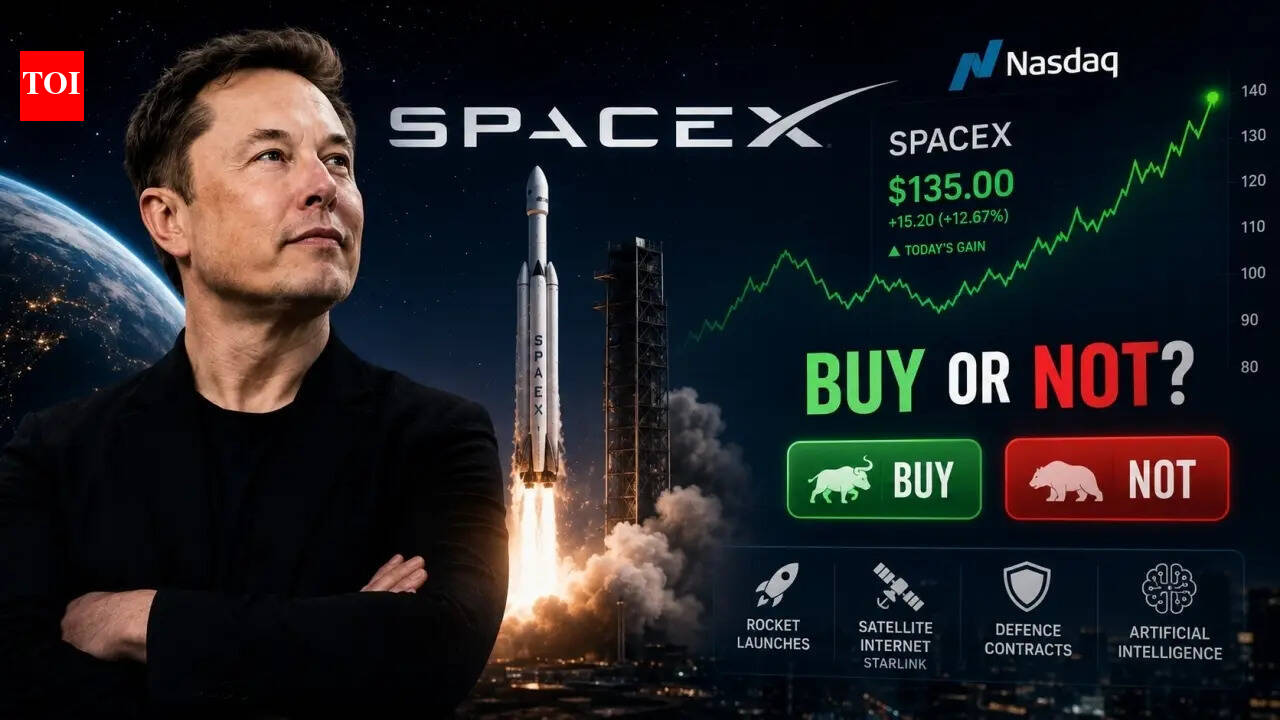
SpaceX, Elon Musk's rocket, telecommunications and artificial intelligence company, has listed on the Nasdaq stock exchange with a valuation of $2.2 trillion, making Musk the world's first trillionaire, according to a BBC Americast episode. The public listing has generated around $85 billion for the company and created millionaires among many past and current employees.
The $2.2 Trillion Valuation
SpaceX's valuation of $2.2 trillion reflects the market's confidence in its vision for space exploration and AI. The company, which operates in rocket technology, telecommunications, and artificial intelligence, raised approximately $85 billion through the listing. According to the BBC report, Elon Musk has stated that this capital is essential to fulfill the company's plans to:
- Build bases on the Moon
- Put data centres into orbit
- Send human beings to Mars
The listing has also generated significant wealth for SpaceX employees, with many past and current workers becoming millionaires as a result of the public offering.
AI Companies Eye Public Markets
The podcast noted that other major AI companies, including OpenAI and Anthropic, have plans to follow SpaceX's lead and list on public markets. This trend raises questions about the concentration of investment in the AI sector and its implications for the broader economy.
| Company | Valuation | Plans |
|---|---|---|
| SpaceX | $2.2 trillion | Listed on Nasdaq |
| OpenAI | Not disclosed | Plans to follow suit |
| Anthropic | Not disclosed | Plans to follow suit |
Expert Perspective on Economic Risks
The BBC Americast episode, hosted by Justin Webb (Radio 4 presenter) and featuring Ryan Mac (New York Times investigative technology correspondent), examined whether the US economy is gambling on the promise of AI. The discussion centred on the potential risks of relying on a single industry for economic growth. According to the podcast, the US economy may be becoming dangerously reliant on AI, a scenario that could lead to instability if the technology fails to deliver on its promises.
Ryan Mac, who has extensive experience covering Elon Musk and AI leaders, contributed analysis on the implications of SpaceX's valuation and the broader trend of AI companies going public. The episode questioned what happens if SpaceX's ambitious plans for Moon bases, orbital data centres, and Mars missions remain unfulfilled.
The podcast also explored whether the listing of multiple AI companies could create a bubble and what that would mean for global financial stability. The hosts noted that as more companies offer shares to investors and the general public, the US economy's exposure to AI-related risks increases.
Implications for the US Economy
The central question posed by the episode is whether the US economy is dangerously reliant on one industry. With SpaceX's listing and the anticipated public offerings from OpenAI and Anthropic, the AI sector is attracting massive capital inflows. The podcast highlighted that this concentration could amplify systemic risks if the industry faces a downturn.
Elon Musk has framed the capital raised as essential for his interplanetary ambitions, but the podcast raised concerns about the gap between expectations and reality. The episode serves as a cautionary tale for investors and executives watching the rapid expansion of AI and space technology valuations.
Sources: