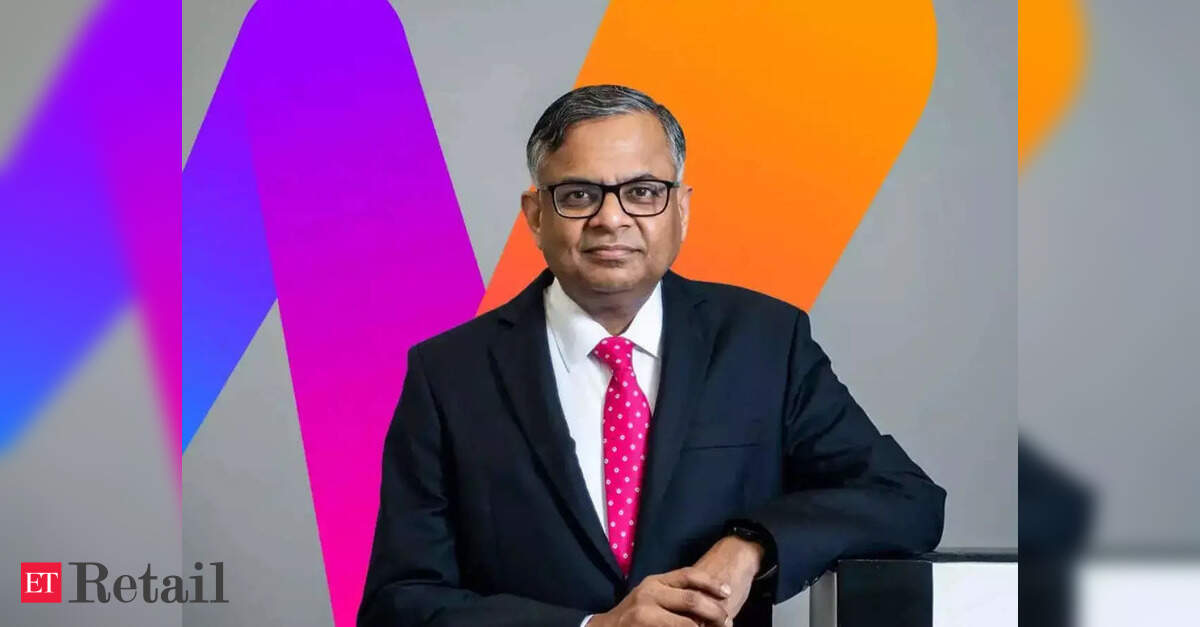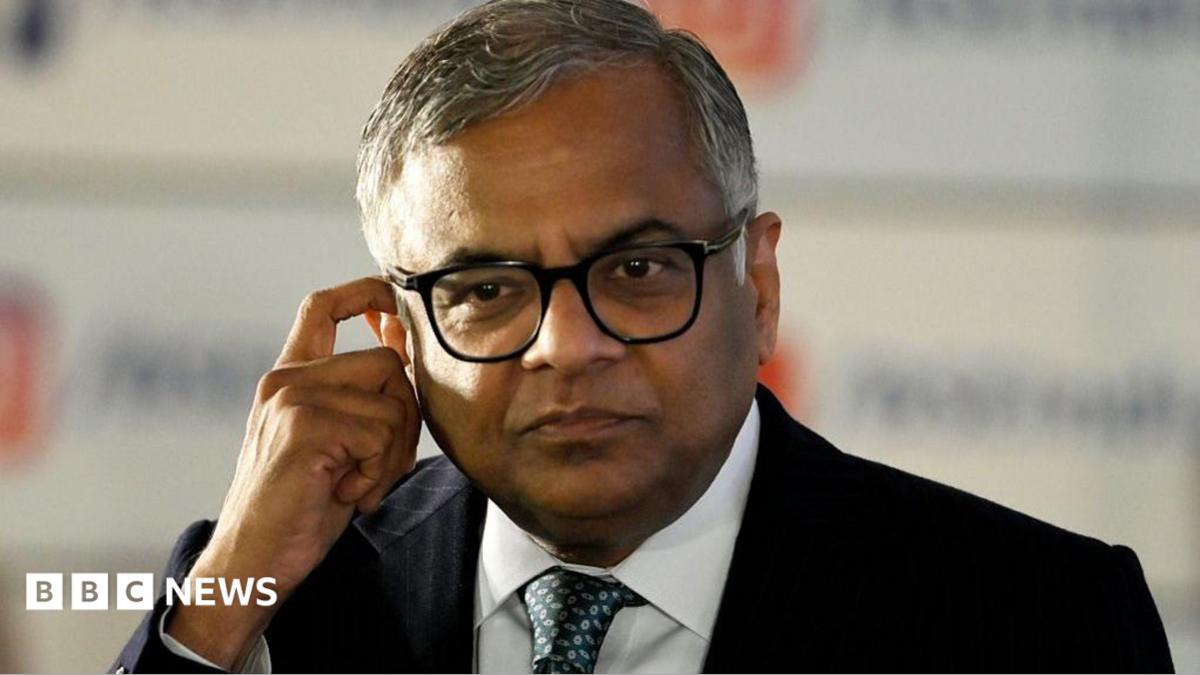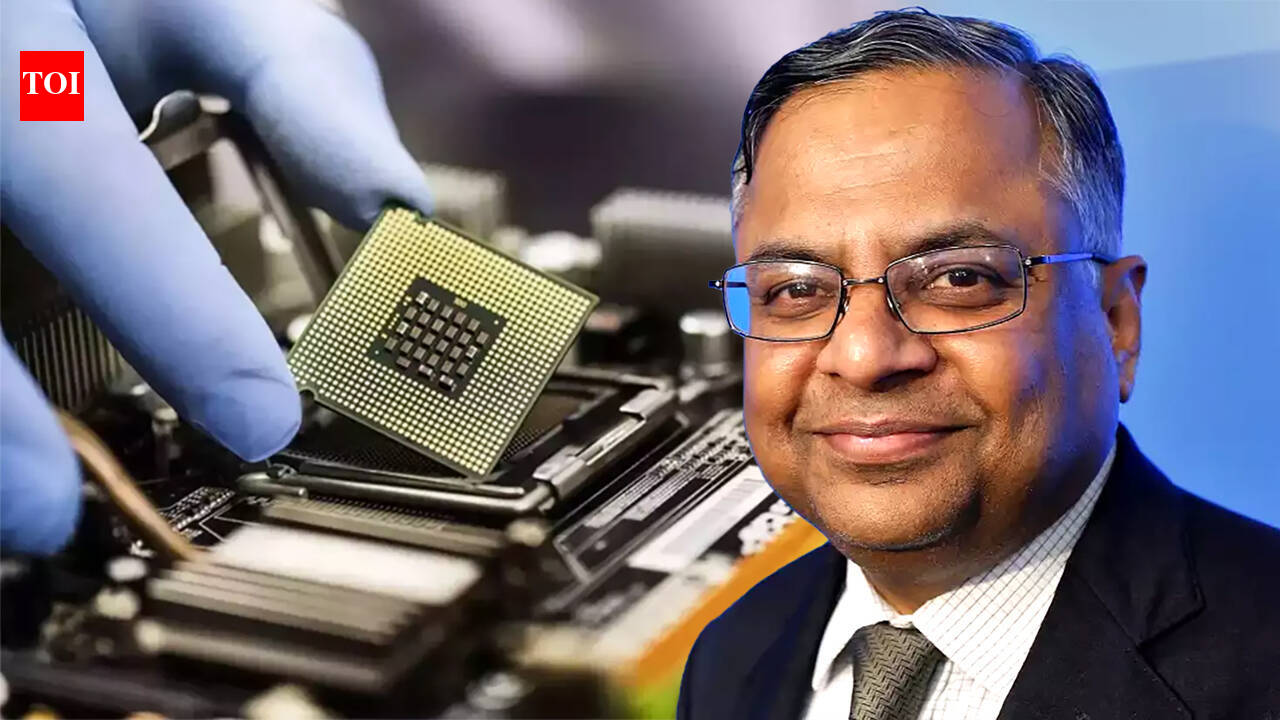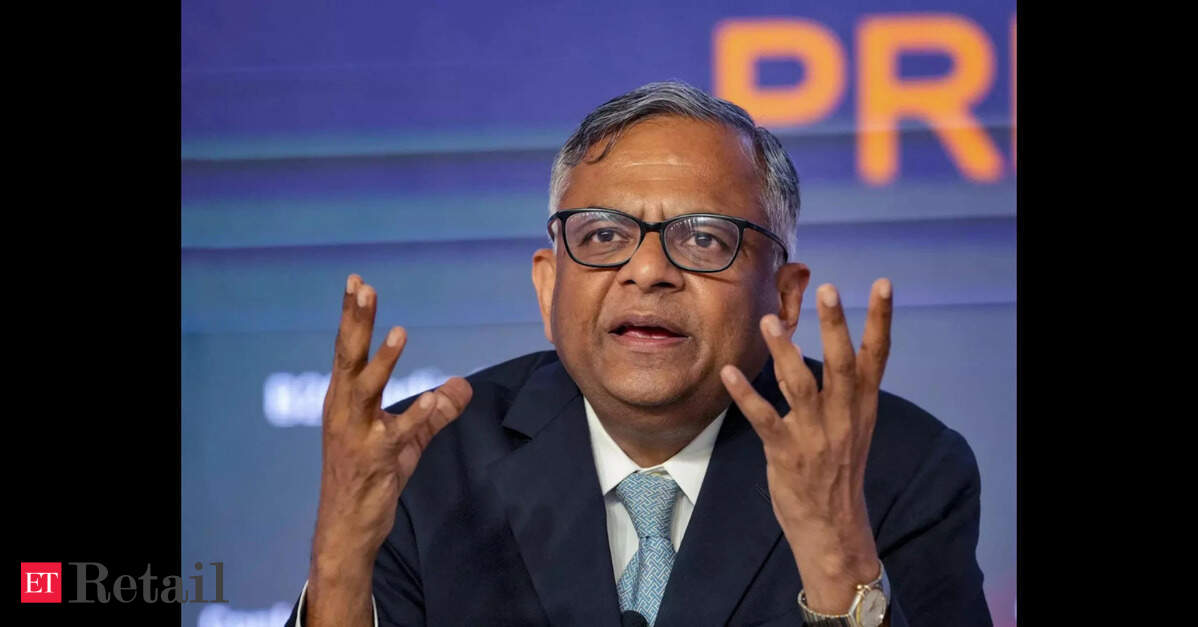
Tata Sons chairman N. Chandrasekaran has decided not to seek a salary increase for the fiscal year 2026, a move that comes amid broader group concerns over capital allocation and the profitability of new ventures, according to a report by the Economic Times.
Decision at the Nominations Committee Meeting
During discussions at the Nomination and Remuneration Committee meeting held alongside last week's Tata Sons board meeting, Chandrasekaran is understood to have conveyed that he would forgo a salary hike this year, the Economic Times reported. Tata Sons did not comment on the matter.
Financial Performance and Remuneration
Tata Sons reported a 24% rise in FY25 revenue to ₹5.92 lakh crore, while net profit declined 17% year-on-year to ₹28,898 crore. The group's performance was significantly supported by Tata Consultancy Services (TCS), which accounted for 43% of group net profit in FY25.
Chandrasekaran drew total remuneration of about ₹155.8 crore in FY25, up 15% from the previous year. The package was heavily performance-linked, with around ₹15.1 crore comprising salary and related benefits, while nearly ₹140.7 crore came through profit-linked commission.
| Component | Amount (₹ crore) |
|---|---|
| Salary & related benefits | 15.1 |
| Profit-linked commission | 140.7 |
| Total remuneration | 155.8 |
Group Concerns and Strategic Context
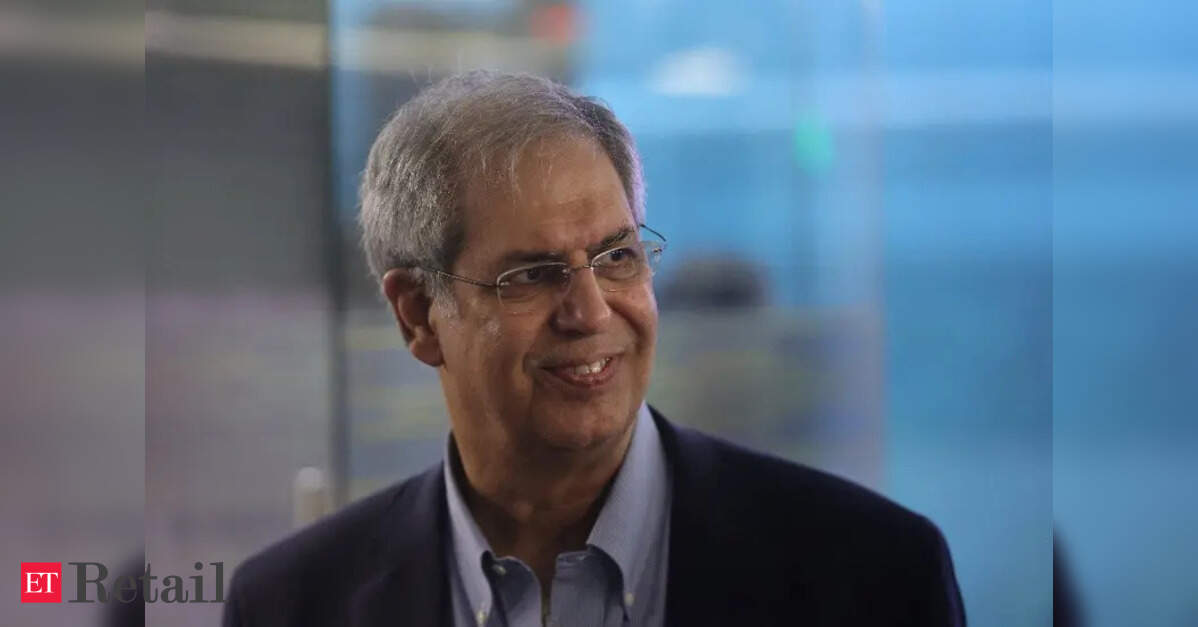
The report noted that some group businesses have been affected by cyclical pressures, while uncertain geopolitical and economic conditions have posed challenges to businesses such as Air India. Tata Trusts chairman Noel Tata had earlier expressed reservations over the scale of capital committed to several new-age and emerging ventures. However, he has since acknowledged Tata Electronics as a strategic, nation-building business aligned with India's manufacturing ambitions and is understood to have appreciated the company's progress and growth trajectory.
Amid ongoing discussions among key stakeholders within the Tata Group, Chandrasekaran has focused on core business priorities, engaging with global partners and overseeing strategic initiatives as the conglomerate advances large investment-led projects, according to the Economic Times.
Implications for Stakeholders
Chandrasekaran's decision to forego a pay hike signals a focus on governance and alignment with stakeholder concerns at a time when the conglomerate is navigating capital-intensive ventures and economic headwinds. The group's dependence on TCS for nearly half of its net profit underscores the need for diversification, while the challenges at Air India highlight exposure to global macroeconomic factors. Investors and analysts will be watching the trajectory of new ventures like Tata Electronics and their contribution to group profitability in coming quarters.
Sources: