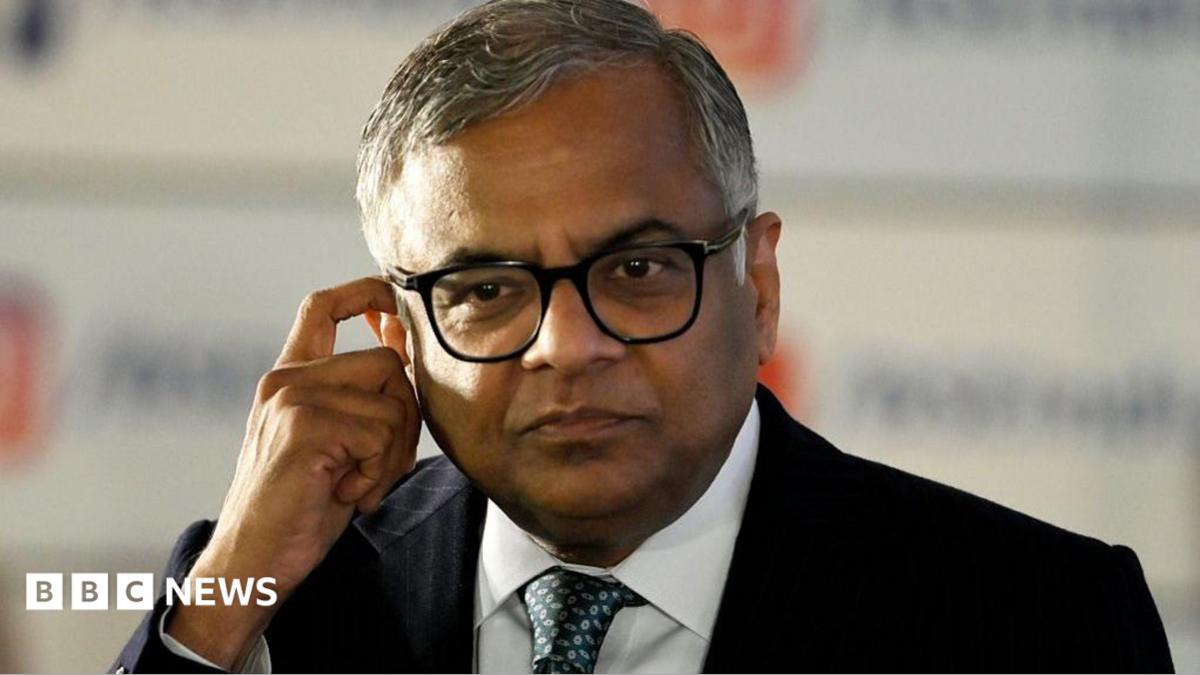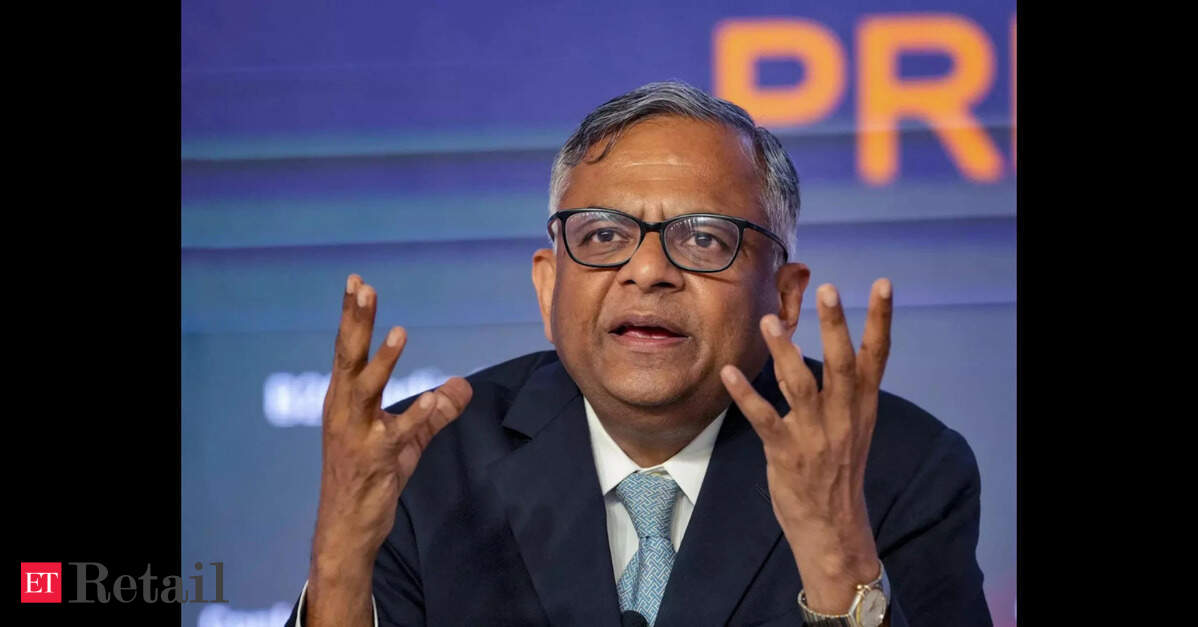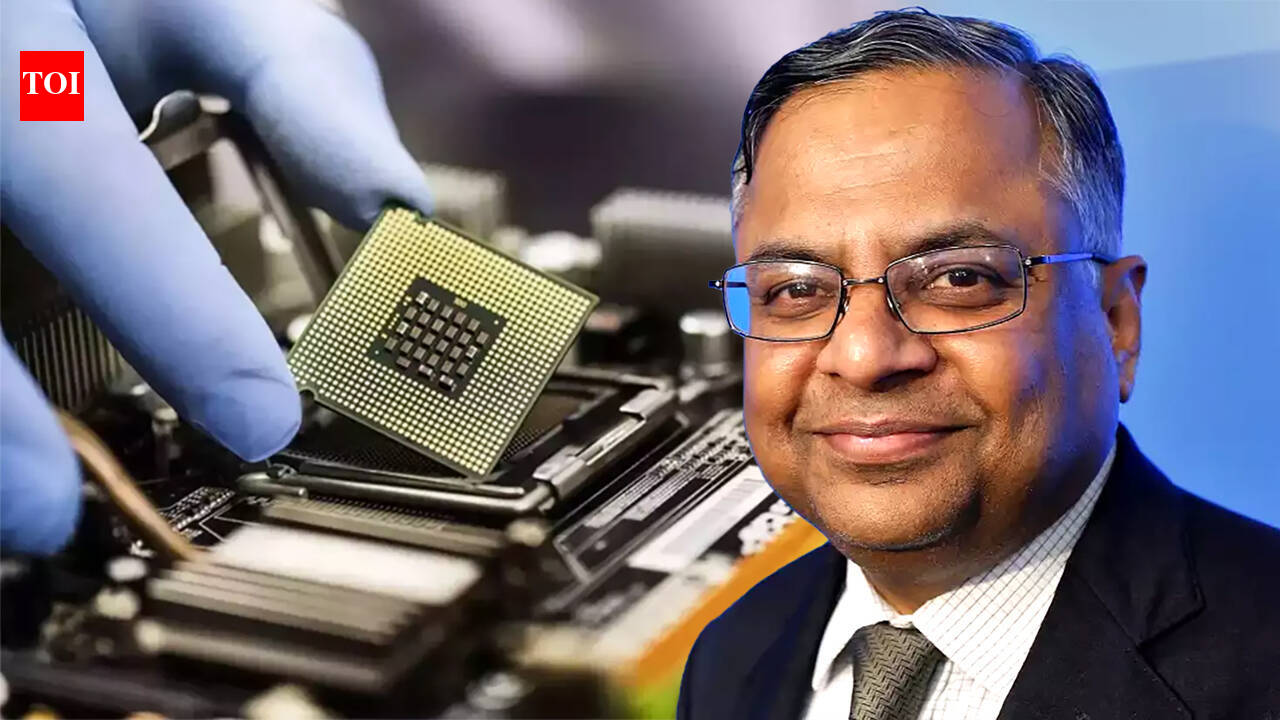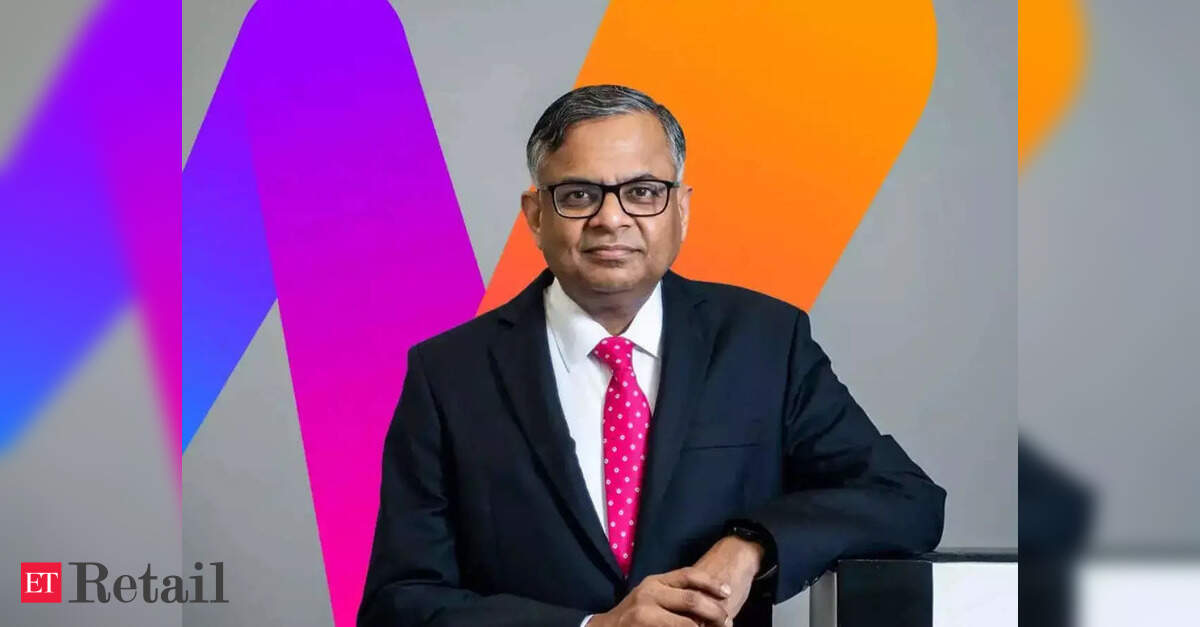
N Chandrasekaran has resigned as chairman of Tata Sons ahead of the conglomerate's annual general meeting, according to ET. ET had first reported that Chandrasekaran was considering stepping down. Chandrasekaran, 63, told the Tata Sons board of his decision, people familiar with the matter said, and will remain chairman until his term, which officially runs until February 2027, concludes. His departure follows disagreements within Tata Trusts regarding business performance and capital needs, and creates a leadership transition for the group just as it makes major investments in new ventures.
Leadership transition and board dynamics
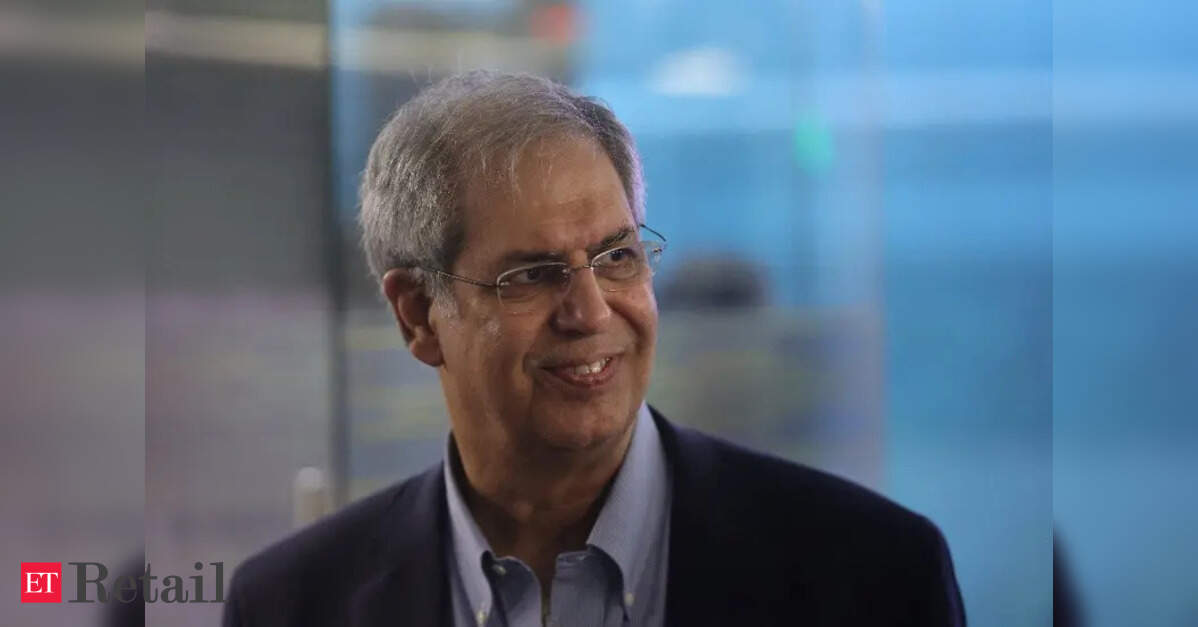
The resignation comes amid uncertainty over the Aug 18 meeting and how Tata Trusts, which owns about 66% of Tata Sons, would vote, according to ET. Tata Trusts Chairman Noel Tata is seen as opposed to Chandrasekaran's continuation. There was also uncertainty over whether the meeting could be held at all.
Sir Ratan Tata Trust, one of the key shareholders of Tata Sons, is currently barred by the Maharashtra Charity Commissioner from making important decisions pending an inquiry.
Under Tata Sons' Articles of Association, trustees jointly nominated by Sir Ratan Tata Trust and Sir Dorabji Tata Trust are authorised to vote at the AGM, ET reported. The uncertainty had raised the prospect of a contentious vote that could have ended Chandrasekaran's chairmanship abruptly; he has now stepped down before that process plays out.
Financial performance under Chandrasekaran
The scale of the Tata Group changed significantly during Chandrasekaran's tenure, ET reported. Aggregate revenue rose from Rs 7.89 lakh crore in FY20 to Rs 16.24 lakh crore in FY26, according to figures provided by the group. Profit after tax rose more than fivefold, from Rs 32,000 crore to Rs 1.71 lakh crore. The market capitalisation of Tata's listed companies rose from Rs 9.31 lakh crore in FY20 to Rs 24.39 lakh crore in FY26, although it was Rs 27.85 lakh crore in FY25.
| Metric | FY20 | FY26 | FY25 |
|---|---|---|---|
| Aggregate revenue | Rs 7.89 lakh crore | Rs 16.24 lakh crore | — |
| Profit after tax | Rs 32,000 crore | Rs 1.71 lakh crore | — |
| Market capitalisation of listed companies | Rs 9.31 lakh crore | Rs 24.39 lakh crore | Rs 27.85 lakh crore |
Strategic expansion and internal differences
Chandrasekaran took over Tata Sons in 2017 after leading Tata Consultancy Services, becoming the first professional manager from outside the Tata family to head the holding company after Ratan Tata, according to ET. Under him, Tata returned to aviation, acquired Air India and expanded into semiconductors, electronics manufacturing and batteries. The group also increased its focus on digital businesses and electric vehicles.
The expansion required large investments and contributed to disagreements within Tata Trusts over the performance and capital requirements of newer businesses, ET reported. The Tata Sons board deferred a decision on Chandrasekaran's reappointment on Feb 24 after Noel Tata raised reservations about the performance of the new businesses. Noel also favoured a two-year executive term for Chandrasekaran, in line with the group's retirement age of 65. That marked a reversal from about a year earlier, when the trustees had unanimously recommended another five-year term.
Implications across the group
Chandrasekaran is also chairman of Tata Consultancy Services, Tata Motors and Tata Consumer Products, among other Tata companies, and has held a central role across the group's businesses since taking over Tata Sons in 2017, according to ET. His departure leaves Tata Sons facing a leadership transition months before his existing term was due to end, at a time when the group is making major investments in new ventures.
His departure comes amid wider disagreements within the Tata Group following Ratan Tata's death in late 2024, ET reported. Several trustees have left, while senior government officials have urged the trusts to keep their differences from affecting the group's businesses. Multiple trustees, executives and people close to the group have expressed concern that the dispute is beginning to affect decision-making.
Sources: