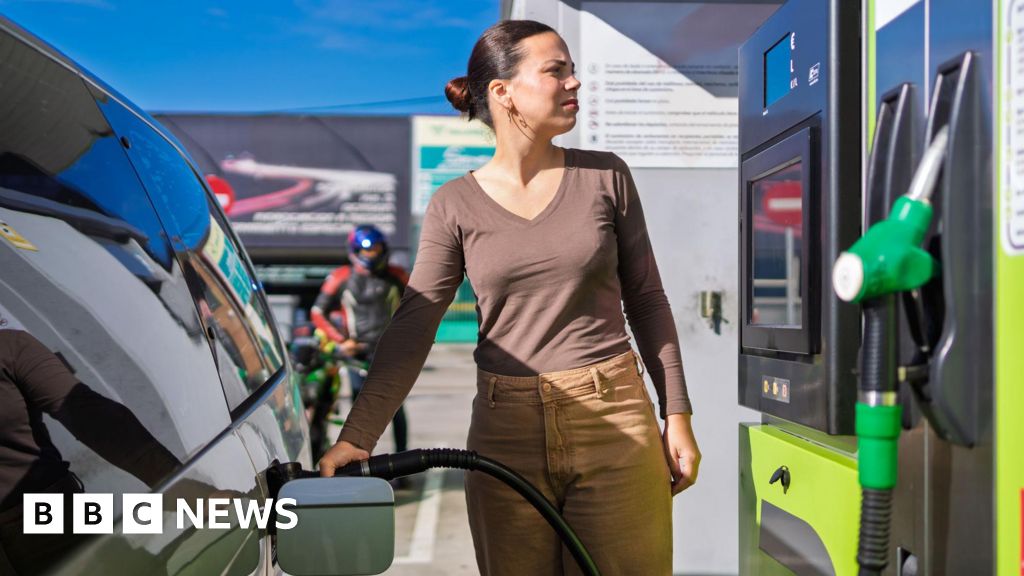
Brent crude oil, the global benchmark, has fallen from a peak above $120 a barrel during the Iran war to around $83 a barrel after the US and Iran reached a framework agreement to end the conflict, according to the BBC. The decline in wholesale oil prices is expected to feed through to UK petrol and diesel pumps, with the RAC motoring group noting that the price drop "should quickly bring prices down at the pumps."
Oil Price Volatility and the Strait of Hormuz
The Iran war, which began on 28 February, sent global oil prices soaring as it effectively closed the Strait of Hormuz — one of the world's key water transport routes for oil, liquefied natural gas and other essential commodities. Approximately 20% of the world's oil and liquefied natural gas normally passes through this waterway, the BBC reports. BBC Verify analysis showed that only a handful of ships have passed through the strait since the conflict began, compared with around 138 vessels making the crossing every day under normal circumstances.
Before the conflict, Brent crude was trading at about $70 a barrel. The war drove prices to a peak above $120 a barrel. In recent weeks, prices have slipped, and following news of the US-Iran framework deal, Brent fell to around $83 a barrel. Despite this decline, experts quoted by the BBC warn that a return to normal levels of shipping through the Strait of Hormuz will take time, and the impact of the war will continue to affect the global economy for potentially months to come.
UK Petrol and Diesel Prices: Latest Data
The RAC provided the following price data for UK retail fuel:
| Fuel type | Iran war peak price (p/litre) | Peak date | Current average (p/litre) | Change in last week |
|---|---|---|---|---|
| Petrol | 159.53p | 28 May | 156.37p | -2p |
| Diesel | 191.54p | 15 April | 177.89p | -3p |
According to the RAC, filling a 55-litre family car now costs £97.22 for diesel — £18.91 more than on 28 February — and £85.74 for petrol — £12.68 more than at the start of the conflict. However, despite the war, prices have remained below the levels reached in the summer of 2022 following Russia's invasion of Ukraine, when petrol hit 191.5p a litre and diesel reached 199p.
Outlook and Timing for Pump Price Cuts
Because transporting oil is a slow process, wholesale price movements typically take about a fortnight to show up at the pump, the BBC notes. The RAC's head of policy, Simon Williams, said: "The oil price has already dropped as a result of the US Iran deal to open the Strait of Hormuz which is good news for drivers as this should quickly bring prices down at the pumps." He added: "If oil now begins to consistently trade around $85... we should see the price of petrol reduce to 148p a litre from its current average of 156p in the next couple of weeks. Diesel, which currently costs an average of 177p, ought to fall to under 160p."
Fuel retailers have denied accusations of price gouging during the conflict. The official markets regulator investigated these claims and reported that it had "not seen evidence of retailers actively changing their pricing strategies to take advantage of the crisis," according to the BBC.
UK Oil Supply and Geopolitical Context
The UK is heavily reliant on oil and gas imports, with the majority coming from overseas sources. The closure of the Strait of Hormuz directly affected global supply chains, limiting the availability of crude oil for UK refineries and contributing to the price spikes seen earlier in the conflict. While the US-Iran deal has eased immediate fears, experts caution that the disruption to shipping lanes will have lingering effects on energy markets for months.
Sources: