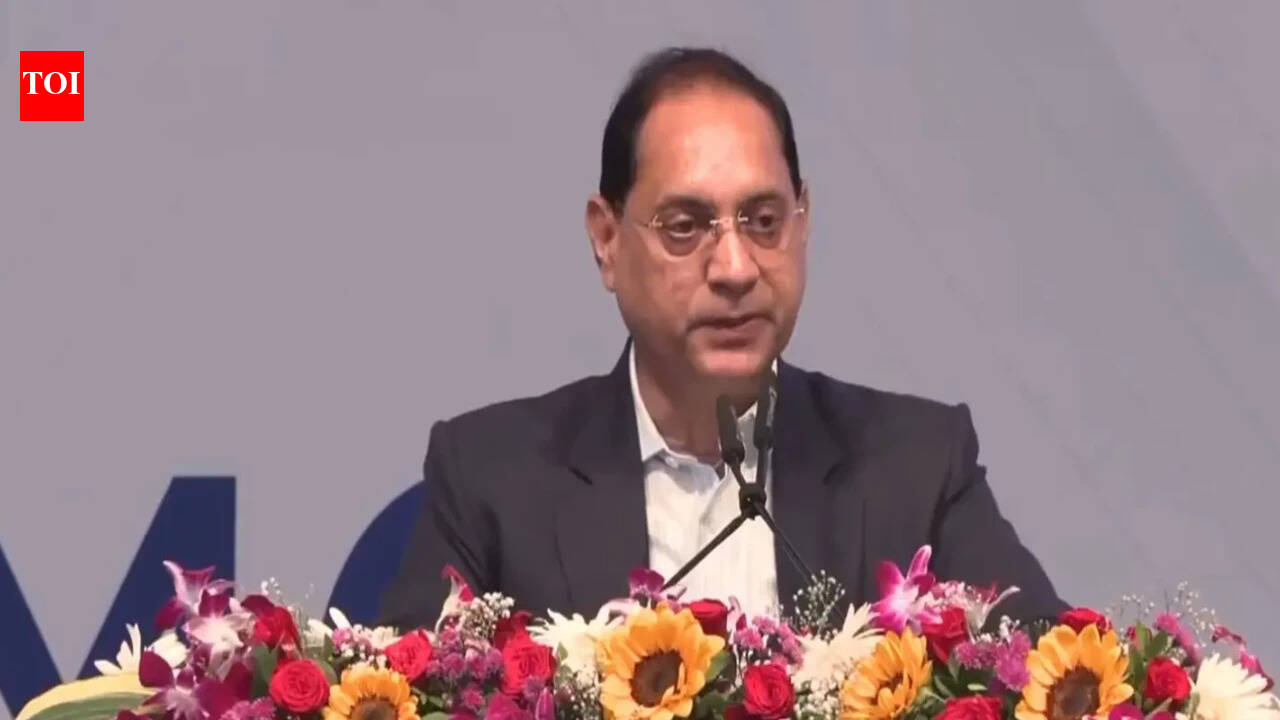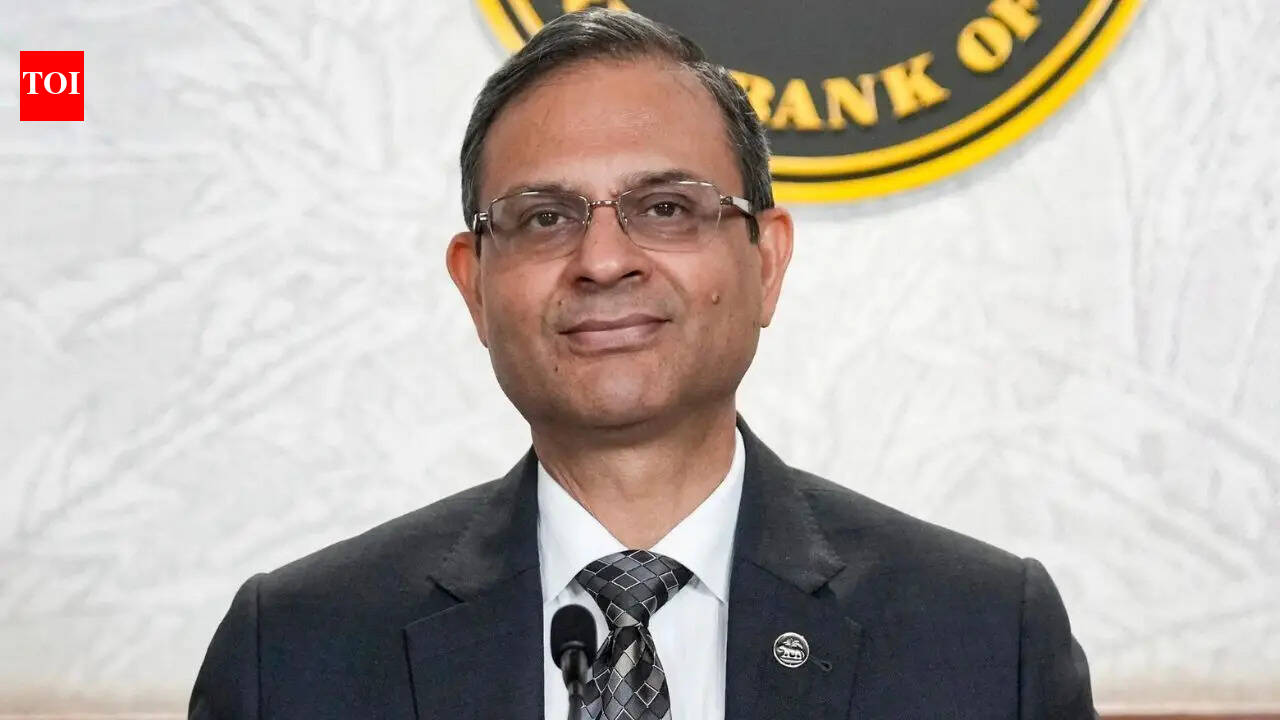
India's economy has shown remarkable resilience in the face of global geopolitical tensions, supply-chain disruptions, and volatile commodity prices. This resilience is underpinned by strong industrial and services activity, broad-based demand, and improving corporate performance, according to Swaminathan J, Deputy Governor of the Reserve Bank of India (RBI).
Macroeconomic Stability
In a recent address at the School of International and Public Affairs (SIPA), Columbia University, Swaminathan emphasized that India's macroeconomic position remains strong despite an uncertain global backdrop. He noted that inflation is within the RBI's tolerance band and that external-sector vulnerabilities are manageable.
"Even amid geopolitical uncertainty, supply-chain disruptions, and volatile commodity conditions, domestic economic activity has shown resilience," said Swaminathan.
Banking Sector Strength
Swaminathan highlighted the strength of India's banking sector, which is entering the current phase of global uncertainty from a position of strength. The sector boasts healthier balance sheets, comfortable capital buffers, improved profitability, and non-performing assets at multi-decade lows.
| Indicator | Current Status |
|---|---|
| Inflation | Within RBI's tolerance band |
| Banking Sector | Healthy balance sheets, low NPAs |
Continuous Resilience
The Deputy Governor stressed that resilience in the banking sector is not a one-time achievement but a continuous process. It involves discipline across balance sheets, transparent recognition of stress, and adaptive regulation.
Future Outlook
As India navigates global uncertainties, the focus remains on maintaining macroeconomic stability and strengthening the financial system. The next milestone for the RBI will be the upcoming monetary policy review, where further insights into India's economic trajectory will be revealed.