The Reserve Bank of India's Monetary Policy Committee (MPC) is poised to announce its interest rate decision this Friday, amid mounting inflation concerns and geopolitical tensions in the Middle East. Economists and treasury heads largely anticipate that the central bank will keep the repo rate unchanged, currently at 6.50%, while signaling potential tightening later in the fiscal year.
Inflation and Geopolitical Context
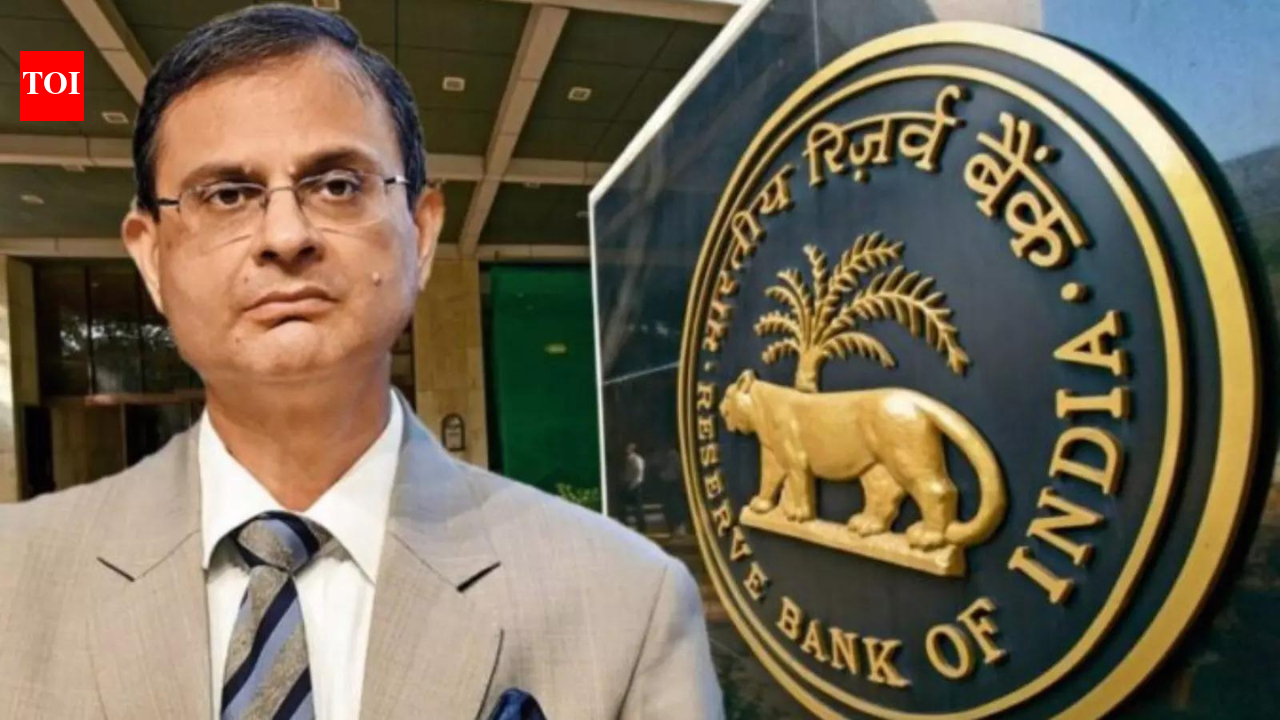
The six-member MPC, led by RBI Governor Sanjay Malhotra, faces a complex backdrop of rising fuel prices and geopolitical instability. According to a PTI poll, 11 out of 15 respondents expect the RBI to maintain the repo rate, while four foresee a 25-basis-point increase. The central bank has already reduced the benchmark rate by 125 basis points since last year to bolster economic growth.
"Pause because headline inflation remains below the 4 per cent target. The RBI has policy space to wait to see the second round impact on inflation from the fuel price hike," said Gaura Sengupta, economist at IDFC First Bank.
Economists' Perspectives
While most economists expect a pause this week, the consensus points to higher interest rates later in FY27 as inflationary pressures mount. Anubhuti Sahay, Head of India Economic Research at Standard Chartered Bank India, noted, "Our FY27 rate hike forecasts face upside risk of 0.25-0.50 per cent if pressures on commodity prices, rupee sustain."
| Forecast | Current | Expected Change |
|---|---|---|
| Repo Rate | 6.50% | 0-25 bps increase |
| Inflation | 4.9-5.5% | Upward revision |
Trade and Business Implications
The potential for higher interest rates later in the fiscal year could increase the cost of capital for trade finance, impacting businesses reliant on imports and exports. A stronger rupee, if maintained, could affect export competitiveness, while hedging costs may rise for companies with significant foreign exchange exposure.
Aditi Nayar, Chief Economist at Icra, highlighted that inflation could approach 5% in June as higher fuel prices feed into consumer prices, though the extent of second-round effects remains uncertain.
Conclusion
The RBI's decision this week will be closely watched by trade finance professionals and investors, as it will set the tone for monetary policy amid ongoing inflationary and geopolitical challenges. The central bank's forward guidance will be crucial in shaping expectations for the cost of capital and currency stability in the coming months.