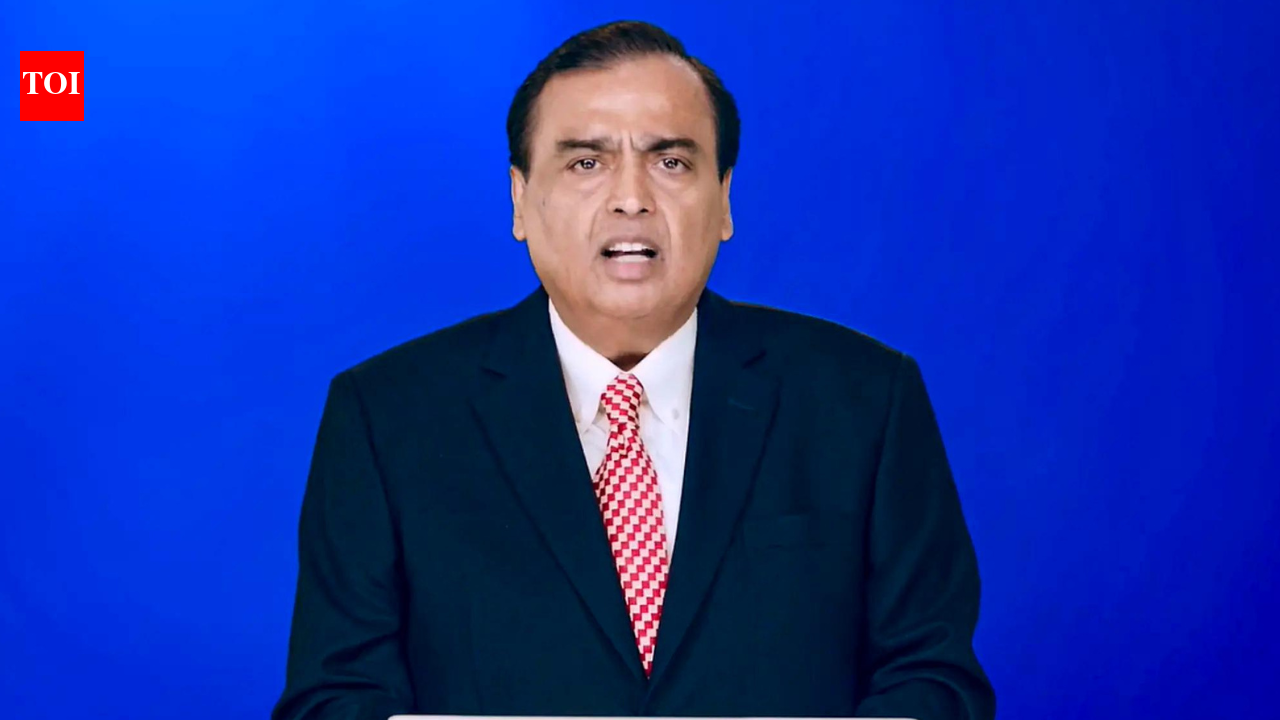
MUMBAI: Mukesh Ambani, chairman of Reliance Industries, told shareholders that the transfer of day-to-day management at the company is "almost complete", signalling that the succession process at the energy-to-education conglomerate has entered its final stages, according to a report by Business Today.
Leadership Transition Details
The 69-year-old chairman said his three children — Akash, Isha, and Anant — have each completed three years on the board of RIL and lead key verticals. Akash oversees the technology business, Isha heads the consumer business, while Anant is responsible for the energy portfolio. Describing the company's future leadership as secure, Ambani said: "The future of your company is not only in safe hands, but in hands that will take Reliance to far greater heights."
He added that approximately 500 young leaders in their 30s and 40s have been developed across various businesses within the group to support his three children and the next phase of growth. According to Ambani, these leaders bring "domain expertise" and "technological fluency", alongside what he described as the "first generation's passion".
Key Roles of the Next Generation
| Executive | Vertical | Tenure on RIL Board |
|---|---|---|
| Akash Ambani | Technology business | 3 years |
| Isha Ambani | Consumer business | 3 years |
| Anant Ambani | Energy portfolio | 3 years |
Ambani emphasised the unity of the siblings, stating: "They are three bodies, one soul. Their soul is Reliance. One single indivisible Reliance, now and forever."
Succession Timeline and Context
Although Ambani continues to provide hands-on leadership, he said the transition of day-to-day management responsibilities is now "almost complete". His current term as chairman ends in April 2029. The three siblings have become increasingly visible at RIL's annual general meetings, presenting plans and updates on their respective business divisions.
Ambani first spoke about the succession plan at an in-house event in December 2021. He himself came to the chairmanship under difficult circumstances. He joined the company's board in 1977 — the year it was listed — at the age of 20, and became chairman and managing director following the death of his father and RIL founder Dhirubhai Ambani in 2002. His succession was complicated by a dispute with his younger brother Anil over control of the company after their father died intestate.
Strategic Implications
This structured leadership transition reflects a deliberate strategy to ensure continuity and inject fresh expertise across Reliance's diversified businesses. By placing each child in charge of a core pillar — technology, consumer, and energy — the conglomerate aligns leadership with its evolving market positions. The development of a large cohort of young leaders further strengthens the management bench, reducing dependency on any single individual. For investors and analysts, the clear roadmap and public commitment to unity mitigate concerns about governance or sibling rivalry that have historically plagued Indian family-run conglomerates.
Sources: